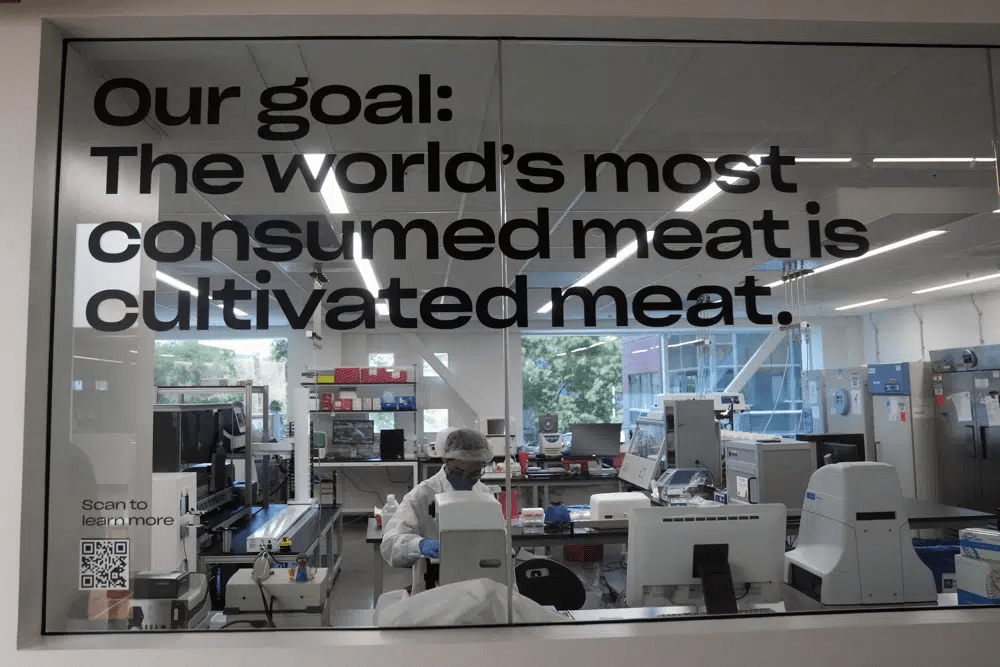
U.S. Agriculture Department have, for the first time, approved the sale of chicken made from animal cells, enabling two California companies to supply “lab-grown” meat to the nation’s restaurants and eventually, supermarkets.
On Wednesday, June 21, 2023, the regulators gave the green light to Upside Foods and Good Meat, firms that had been competing to be the first in the U.S. to sell meat that is not derived from slaughtered animals; now known as “cell-cultivated” or “cultured” meat as it emerges from the laboratories.
The decision ushers a new era of meat production aimed at eliminating harm to animals and drastically reducing the environmental impacts of grazing, growing feed for animals and animal waste.
Josh Tetrick, Co-founder and Chief Executive of Eat Just, which operates Good Meat, opined, “Instead of all of that land and all of that water that’s used to feed all of these animals that are slaughtered, we can do it in a different way.”

The two firms were given the go-ahead for federal inspections required to sell meat and poultry in the U.S. The action came months after the U.S. Food and Drug Administration determined that products from both companies are safe to eat. Joinn Biologics, a manufacturing company which works with Good Meat, was also permitted to make the products.
Cultivated meat is grown in steel tanks, using cells that come from a living animal, a fertilized egg or a special bank of stored cells. In Upside’s case, it comes out in large sheets that are then formed into shapes like chicken cutlets and sausages.


Good Meat, which already sells cultivated meat in Singapore, the first country to allow it, turns large amount of chicken cells into cutlets, nuggets and shredded meat.
Cultivated meat begins with cells. Upside experts take cells from live animals, choosing those most likely to taste good and to reproduce quickly and consistently, forming high-quality meat, Amy Chen said.
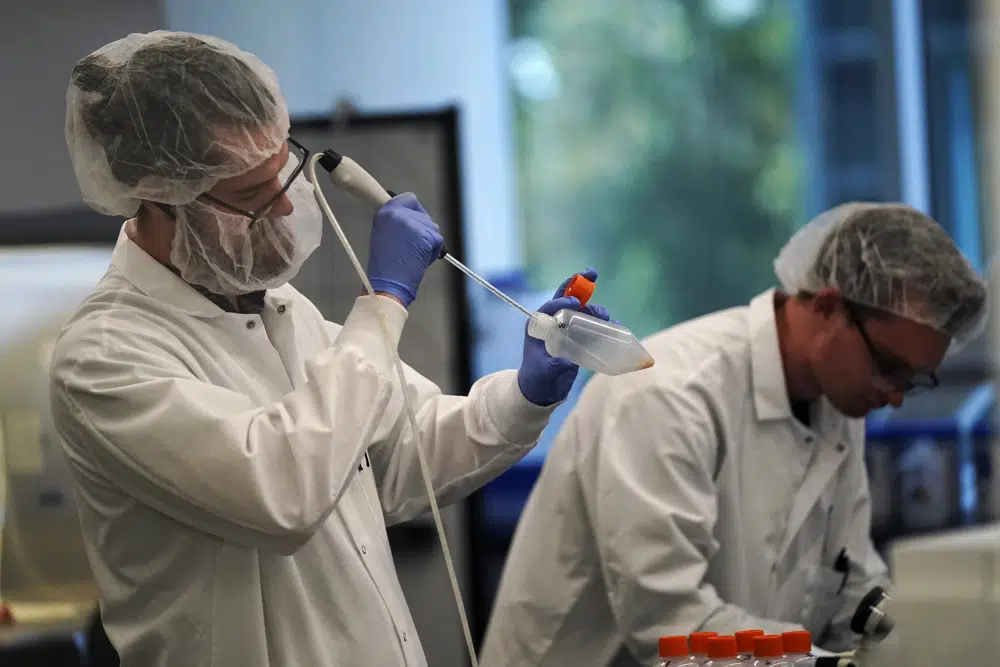
The selected cell lines are combined with a broth-like mixture that includes the amino acids, fatty acids, sugars, salts, vitamins and other elements cells need to grow. Inside the tanks, called cultivators, the cells grow, multiplying quickly.
At Upside, muscle and connective tissue cells grow together, forming large sheets. After about three weeks, the sheets of poultry cells are removed from the tanks and formed into cutlets, sausages or other foods. Good Meat cells grow into large masses, which are shaped into a range of meat products.
Upside, based in Berkeley, operates a 70,000-square-foot building in nearby Emeryville, whiles Good Meat, based in Alameda, operates a 100,000-square-foot plant.
‘Lab-Grown’ Chicken Costlier Than Actual Chicken
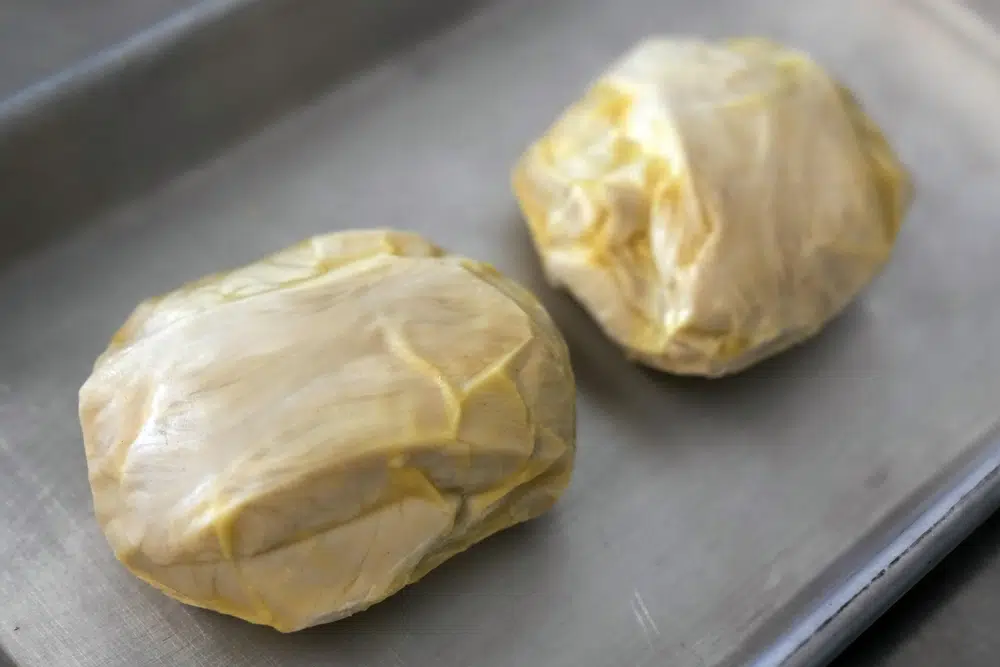
Ricardo San Martin, Director of the Alt:Meat Lab at University of California Berkeley, affirmed that cultivated chicken is much more expensive than meat from whole, farmed birds and cannot yet be produced on the scale of traditional meat.
As such, the companies intend to serve the new food first in exclusive restaurants. Upside has partnered with a San Francisco restaurant called Bar Crenn, while Good Meat dishes will be served at a Washington, D.C., restaurant run by chef and owner, Jose Andrés.
More than 150 companies worldwide are focusing on meat from cells, not only chicken but pork, lamb, fish and beef, which scientists claim has the biggest impact on the environment.
Amy Chen, Upside’s Chief Operating Officer, admitted that many consumers are skeptical, even squeamish, about the thought of eating chicken grown from cells.
“We call it the ‘ick factor,’” Chen disclosed. But once people understand how the meat is made, they’re more accepting, Chen said, adding that once they taste it, they’re usually sold.