• About
  • Advertise
  • Privacy Policy
  • Contact
Friday, December 19, 2025
  • Login
The Vaultz News
  • Top Stories
  • News
    • General News
    • Education
    • Health
    • Opinions
  • Economics
    • Economy
    • Finance
      • Banking
      • Insurance
      • Pension
    • Securities/Markets
  • Business
    • Agribusiness
    • Vaultz Business
    • Extractives/Energy
    • Real Estate
  • World
    • Africa
    • America
    • Europe
    • UK
    • USA
    • Asia
    • Around the Globe
  • Innovation
    • Technology
    • Wheels
  • Entertainment
  • 20MOBPL2DNew
  • Jobs & Scholarships
    • Job Vacancies
    • Scholarships
No Result
View All Result
The Vaultz News
  • Top Stories
  • News
    • General News
    • Education
    • Health
    • Opinions
  • Economics
    • Economy
    • Finance
      • Banking
      • Insurance
      • Pension
    • Securities/Markets
  • Business
    • Agribusiness
    • Vaultz Business
    • Extractives/Energy
    • Real Estate
  • World
    • Africa
    • America
    • Europe
    • UK
    • USA
    • Asia
    • Around the Globe
  • Innovation
    • Technology
    • Wheels
  • Entertainment
  • 20MOBPL2DNew
  • Jobs & Scholarships
    • Job Vacancies
    • Scholarships
No Result
View All Result
The Vaultz News
No Result
View All Result

Ghana Ranks 7th Most-Indebted Country to IMF As African Economies Reels Under Heavy Debt Impact

M.Cby M.C
December 8, 2023
Reading Time: 4 mins read
Ghana Ranks 7th Most-Indebted Country to IMF As African Economies Reels Under Heavy Debt Impact

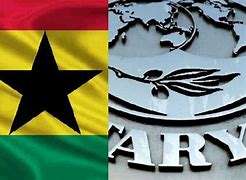
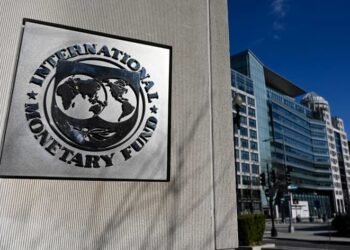
Among the African nations navigating debt hurdles and its adjoining consequences, Ghana stands out as the 7th most-indebted country to the International Monetary Fund (IMF), reflecting the complex dynamics of economic challenges the country is facing and its reliance on international financial institutions.

This revelation not only highlights the financial struggles faced by Ghana but also unravels a broader narrative that resonates across the African continent. As the impact of IMF debt reverberates through the economies of these nations, Ghana’s ranking with a staggering $1,644,377,000, serves as a focal point for understanding the multifaceted implications of such financial obligations on the economic landscape of Africa.

Governments often resort to the IMF as a last-ditch effort to stabilize their financial systems during economic crises. These loans act as a cushion, helping countries navigate through adversities while buying time to develop sustainable economic solutions. Furthermore, an IMF loan can enhance a nation’s credibility in the eyes of foreign investors, potentially attracting more foreign direct investment and providing better access to global capital markets.

RelatedPosts

Ghana’s Unemployment Rate Slightly Jumps to 13% in 2025 Q3

Producer inflation Slides to 12.3% in November 2025 as Factory Gate Prices Cool Sharply

IMF Approves US$385m After Reaching Staff-Level Agreement on Fifth Review

While IMF loans can be a financial lifeline, mismanagement or improper utilization can exacerbate economic challenges. The inherent burden of debt places stress on any economy, as it represents an additional financial responsibility. Moreover, IMF loans frequently come with stringent conditions, including austerity measures such as reducing public spending, cutting subsidies, and implementing tax increases.

The imposition of austerity measures, though aimed at addressing fiscal imbalances, can lead to social unrest and adversely affect vulnerable populations. Reductions in public spending might result in compromised social services, impacting healthcare, education, and other essential sectors. These complications can permeate into the country’s exchange rate, contributing to the depreciation of local currencies.

African Nations With The Highest Debts to the IMF

The list of African nations with the highest debts to the IMF provides a comprehensive snapshot of the economic challenges faced by the continent. According to the data, Egypt, standing at the top with an enormous debt of $11,968,321,674, reflects the magnitude of financial assistance required to stabilize its economy.


ADVERTISEMENT

As one of the most populous countries in Africa, Egypt’s economic challenges are often interconnected with demographic pressures, making the need for IMF assistance more pronounced. The substantial debt amount signals a complex web of fiscal issues that the country is grappling with, necessitating careful economic restructuring to ensure sustainable growth.

Angola, in the second position with a debt of $3,153,816,667, is emblematic of the resource-rich yet economically vulnerable nature of certain African nations. Despite its significant oil reserves, Angola faces challenges in effectively managing its resource wealth, leading to economic volatility and reliance on external financial support. The debt owed to the IMF reflects the urgency for Angola to diversify its economy and implement reforms that foster stability beyond the immediate crisis.

South Africa, with a debt of $2,669,800,000, showcases the economic challenges of a nation considered to be one of the more developed on the continent. The diverse and industrialized South African economy faces structural issues, including high unemployment rates and income inequality. The debt owed to the IMF indicates the need for comprehensive economic reforms to address these underlying challenges and promote inclusive growth.

Côte d’Ivoire, Kenya, and Nigeria, ranking fourth, fifth, and sixth, respectively, underline the geographical diversity of the nations facing high levels of IMF debt. Côte d’Ivoire, with a debt of $2,117,559,620, has made significant strides in economic recovery since the civil conflict in the early 2000s, but the debt reflects the ongoing need for sustainable development.

Kenya’s debt of $2,058,982,100 highlights the challenges faced by East African economies, while Nigeria’s debt of $1,840,875,000 emphasizes the complexities of managing the largest economy on the continent.

The list encapsulates the financial intricacies of the Democratic Republic of Congo, Morocco, and Tunisia, ranking seventh, eighth, and tenth, respectively. Each country faces unique challenges, from political instability in the Democratic Republic of Congo to the delicate balance between modernization and tradition in Morocco. Tunisia, with a debt of $1,259,139,338, grapples with the aftermath of the Arab Spring, illustrating the enduring economic impacts of regional upheavals.

While the IMF plays a crucial role in stabilizing economies facing economic crises, providing both support and challenges for nations seeking financial assistance. Ghana’s position as the 7th most-indebted African country to the IMF highlights the delicate balance between securing immediate financial relief and managing the long-term consequences of international debts.

As African nations grapple with economic complexities, careful consideration and strategic planning are imperative to ensure that IMF loans contribute positively to sustainable economic growth without unduly burdening the most vulnerable populations.

READ ALSO: Ghana Stock Exchange Suspends Listing status of PBC
Tags: africaDebtghanaGhana Ranks 7th Most-Indebted Country to IMF As African Economies Reels Under Heavy Debt ImpactInternational Monetary Fund (IMF)
ShareTweetShareSendSend
Please login to join discussion
Previous Post

NDC DNCO Urges Government To Follow Due Diligence In Lithuim Lease Agreement

Next Post

Putin To Run For Re-Election

Related Posts

Dr Alhassan Iddrisu, Government Statistician
Economy

Ghana’s Unemployment Rate Slightly Jumps to 13% in 2025 Q3

December 18, 2025
Producer inflation Slides to 12.3% in November 2025 as Factory Gate Prices Cool Sharply
Economy

Producer inflation Slides to 12.3% in November 2025 as Factory Gate Prices Cool Sharply

December 18, 2025
IMF approves fifth review
Economy

IMF Approves US$385m After Reaching Staff-Level Agreement on Fifth Review

December 18, 2025
Cedi makes an annual appreciation against the US dollar
Economy

Cedi to Break Winds as Year Ends in an Astounding Performance

December 17, 2025
GRA intensifies tax compliance and education
Economy

GRA Intensifies Tax Compliance Enforcement Ahead of 2026 Tax Reforms

December 17, 2025
Prof. Fred Mawunyo Dzanku, Economist at ISSER
Economy

Economist Attributes Ghana’s Persistent Debt to Deep-Seated Structural Deficiencies

December 16, 2025
Hon. Frank Asiedu Bekoe, MP for Suhum
General News

Suhum Case: High Court Dismisses NDC’s “Frivolous” Election Petition

by Silas Kafui AssemDecember 18, 2025
African Development Bank Steps Up to Bridge Africa’s Trade Finance Gap with Bold New Sustainable Financing Push
Africa

African Development Bank Steps Up to Bridge Africa’s Trade Finance Gap with Bold New Sustainable Financing Push

by M.CDecember 18, 2025
Credit Risk Sharing Has Failed to Unlock Agric Financing – Prof. Quartey
Agribusiness

Credit Risk Sharing Has Failed to Unlock Agric Financing – Prof. Quartey

by M.CDecember 18, 2025
Conservative Party leader, Kemi Badenoch
UK

Badenoch Dismisses Government’s VAWG Strategy

by Comfort AmpomaaDecember 18, 2025
Oritsemeyiwa Eyesan
Extractives/Energy

Tinubu Names New Upstream Regulator Chief

by Prince AgyapongDecember 18, 2025
Brazil's President, Luiz Inacio Lula da Silva.
America

Lula Vows To Veto Bill To Reduce Bolsonaro’s Prison Term

by Comfort AmpomaaDecember 18, 2025
Hon. Frank Asiedu Bekoe, MP for Suhum
African Development Bank Steps Up to Bridge Africa’s Trade Finance Gap with Bold New Sustainable Financing Push
Credit Risk Sharing Has Failed to Unlock Agric Financing – Prof. Quartey
Conservative Party leader, Kemi Badenoch
Oritsemeyiwa Eyesan
Brazil's President, Luiz Inacio Lula da Silva.

Recent News

Hon. Frank Asiedu Bekoe, MP for Suhum

Suhum Case: High Court Dismisses NDC’s “Frivolous” Election Petition

December 18, 2025
African Development Bank Steps Up to Bridge Africa’s Trade Finance Gap with Bold New Sustainable Financing Push

African Development Bank Steps Up to Bridge Africa’s Trade Finance Gap with Bold New Sustainable Financing Push

December 18, 2025
Credit Risk Sharing Has Failed to Unlock Agric Financing – Prof. Quartey

Credit Risk Sharing Has Failed to Unlock Agric Financing – Prof. Quartey

December 18, 2025
Conservative Party leader, Kemi Badenoch

Badenoch Dismisses Government’s VAWG Strategy

December 18, 2025
Oritsemeyiwa Eyesan

Tinubu Names New Upstream Regulator Chief

December 18, 2025
The Vaultz News

Copyright © 2025 The Vaultz News. All rights reserved.

Navigate Site

  • About
  • Advertise
  • Privacy Policy
  • Contact

Follow Us

Welcome Back!

Login to your account below

Forgotten Password?

Retrieve your password

Please enter your username or email address to reset your password.

Log In
No Result
View All Result
  • Top Stories
  • News
    • General News
    • Education
    • Health
    • Opinions
  • Economics
    • Economy
    • Finance
      • Banking
      • Insurance
      • Pension
    • Securities/Markets
  • Business
    • Agribusiness
    • Vaultz Business
    • Extractives/Energy
    • Real Estate
  • World
    • Africa
    • America
    • Europe
    • UK
    • USA
    • Asia
    • Around the Globe
  • Innovation
    • Technology
    • Wheels
  • Entertainment
  • 20MOBPL2D
  • Jobs & Scholarships
    • Job Vacancies
    • Scholarships

Copyright © 2025 The Vaultz News. All rights reserved.

Discover the Details behind the story

Get an in-depth analysis of the news from our top editors

Enter your email address