In a significant diplomatic breakthrough, the Democratic Republic of Congo and the Rwanda-backed M23 rebel group have signed a declaration of principles in Doha, Qatar, aimed at ending years of bloodshed in the country’s conflict-ridden eastern region.
The signing, which took place on Saturday, marks the first direct commitment from both parties since the rebels seized key cities earlier this year.
Qatar’s Minister of State, Mohammed bin Abdulaziz bin Saleh Al-Khulaifi, announced the declaration, stating that both Congo and the M23 have agreed to “building trust” through a range of steps. These include the exchange of prisoners and detainees, as well as the restoration of government authority across all territories, including those currently held by the rebels.
While the agreement has been hailed as a step toward lasting peace, there is uncertainty about its practical implications, particularly regarding whether the M23 will relinquish control of cities it currently occupies.
M23, Congo Split On Rebel Withdrawal
Bertrand Bisimwa, one of the M23 leaders, emphasized that the declaration is “not a question of withdrawal but of mechanisms for empowering the state, enabling it to assume its prerogatives and obligations.” In contrast, Congolese government spokesman Patrick Muyaya described the declaration as incorporating “the non-negotiable withdrawal” of rebel forces, followed by the reestablishment of Congolese government presence.
The two parties shared their positions on X, highlighting the interpretational differences.


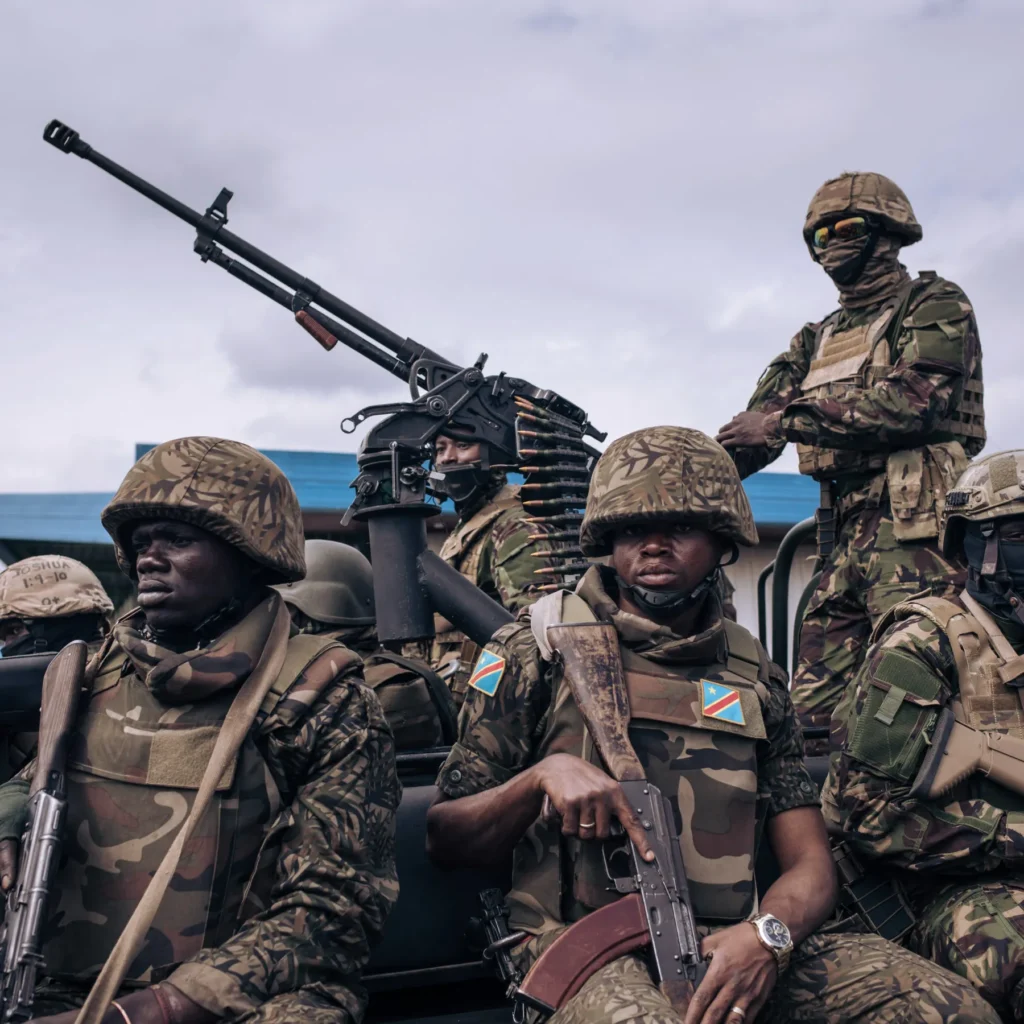
The M23, an armed group with alleged support from neighboring Rwanda, is one of more than 100 militias operating in eastern Congo. The region, known for its mineral wealth, has been plagued by violence for decades, with the conflict displacing over 7 million people. The United Nations has described the situation as “one of the most protracted, complex, serious humanitarian crises on Earth.”
The declaration signed in Qatar also sets a deadline by which a final peace deal is expected to be concluded by August 18. That agreement will align with the broader Peace Accord between Congo and Rwanda, facilitated by the United States in June.
State Authority To Be Restored
One of the major contentions between the two sides has been the fate of M23 fighters currently detained by Congolese authorities, many of whom face the death penalty. M23 has pushed for their release, while the Congolese government continues to demand a full withdrawal of the rebels from occupied cities.
Qatar’s Minister of State noted, “The Declaration of Principles signed today paves the way for direct negotiations towards a comprehensive peace that addresses the deep-rooted causes of the conflict.”
Among the key themes of the declaration are provisions to safeguard displaced civilians and ensure their safe return. This clause echoes the June 27 peace deal between Congo and Rwanda, which also touched on humanitarian protections and justice for war victims.
Massad Boulos, a senior adviser to U.S. President Donald Trump who was present during the talks, described the declaration as an essential milestone. “It is time to find a final solution” to the crisis, he said. Boulos stressed that the most critical aspect of the agreement is the affirmation of state control over rebel-occupied zones.
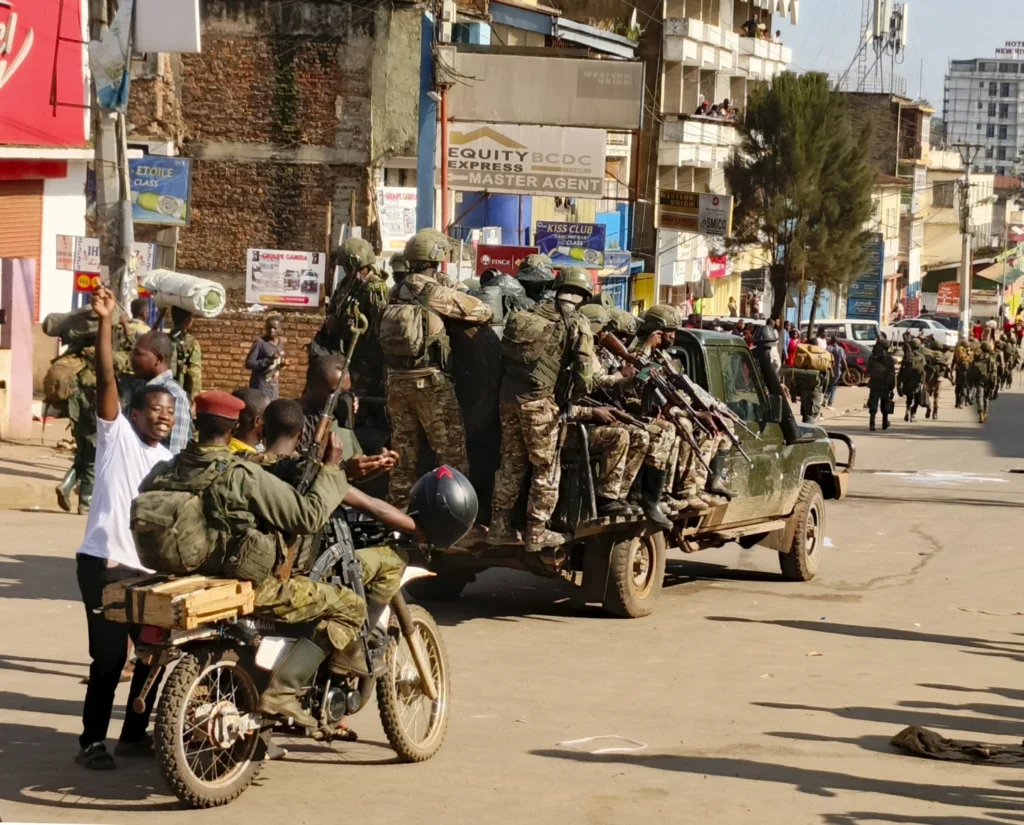
“The issue requires dialogue, and following up on this dialogue and requires persistence,” Boulos added.
However, significant hurdles remain. Chief among them is whether Rwanda will genuinely cease its support for M23. The United Nations has accused Rwanda of deploying troops into eastern Congo, a claim Kigali has consistently denied.
When Rwanda and Congo signed the June peace deal in Washington, Rwandan Foreign Minister Olivier Nduhungirehe indicated that Kigali would lift its “defensive measures” once Congo dismantled an armed group whose members are accused of playing a role in the 1994 Rwandan genocide.
Observers warn that without justice for victims and concrete actions from all sides, sustainable peace may prove elusive. Analysts have particularly noted that withdrawing M23 forces from strategic cities like Goma and Bukavu could hinge on political concessions from Kinshasa.
READ ALSO: Ghana’s 24-Hour Economy Risks Industrial Collapse- IMANI