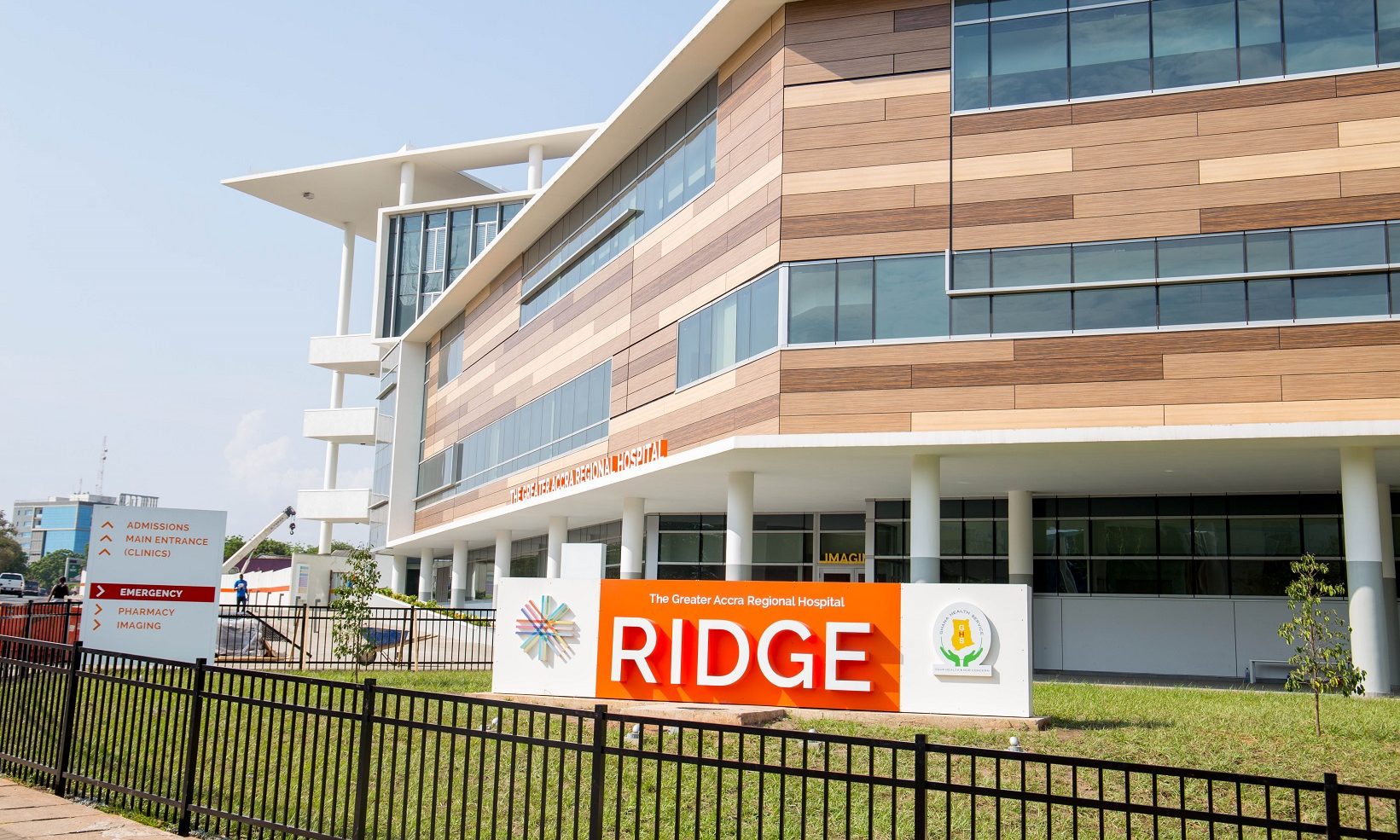
The Ridge Report has triggered renewed scrutiny of Ghana’s fragile health system, with troubling revelations pointing to years of neglect and systemic dysfunction.
Dr. Kwame Sarpong Asiedu, Health Fellow at CDD-Ghana, has drawn attention to the striking parallels between the report’s findings and earlier assessments, stressing that the country has failed to learn from past warnings.
Commenting on the report amid the recent case of assault at Ridge Hospital, Dr. Asiedu noted that the facility was operating with most of its critical equipment broken down, forcing staff to conduct essential tests outside.
He recalled that a previous health harmonization report had already flagged these shortcomings, showing that only five percent of health facilities in Ghana had the full amperometric equipment necessary for accurate diagnosis.
For him, the latest findings simply confirm a continuing pattern of neglect: “different methodologies, same outcome.”

Dr. Asiedu also highlighted the severe staffing shortages at the emergency department. Despite multiple recruitment drives, he observed that the unit had a 40 percent deficit in personnel and only one doctor available per shift.


In his view, the Ridge Report reflects an entrenched failure to address fundamental weaknesses in the health system.
“We haven’t retooled our health system for 11 years, and we expect health professionals to work in that system and deliver. So yes, you can concentrate on the lady nurse and whether there was an assault.”
Dr. Kwame Sarpong Asiedu
Assault Debate Overshadows Bigger Failures
Drawing on his experience practicing in the UK, Dr. Asiedu explained that assault is not only physical but can also be emotional or psychological.
After reviewing CCTV footage linked to the incident, he concluded that there had been clear verbal aggression. “I can say there was verbal assault. I cannot see any physical assault,” he said, underscoring that professionalism must guide judgments in such sensitive cases.
He emphasized the credibility of the committee that produced the Ridge Report. With doctors, nurses, lawyers, health communicators, and senior Ghana Health Service officials involved, he argued that the conclusions reflected a broad and balanced professional assessment.
“Would all these people conspire to tell a particular narrative?” he asked, dismissing suggestions that testimonies were manipulated.
Dr. Asiedu welcomed the transparency of the report, noting that nothing had been redacted.
This, he argued, allows independent assessments to be made from a policy perspective and strengthens accountability within the health sector.
Eleven Years Without Retooling
Comparing the Ridge Report with the health harmonization assessment, which he described as a global “blue book” standard, Dr. Asiedu observed that the findings were almost identical. For him, this repetition reflects a long-standing systemic collapse.
“As a country, we failed,” he declared, pointing out that equipment breakdowns and staffing gaps were symptoms of deeper neglect.
He warned that at emergency departments, delays in diagnostic results could mean the difference between life and death.
Without functional equipment, healthcare workers are limited to providing basic survival support while awaiting test outcomes. This situation, he stressed, exposes patients to dangerous risks and undermines the purpose of emergency medicine.
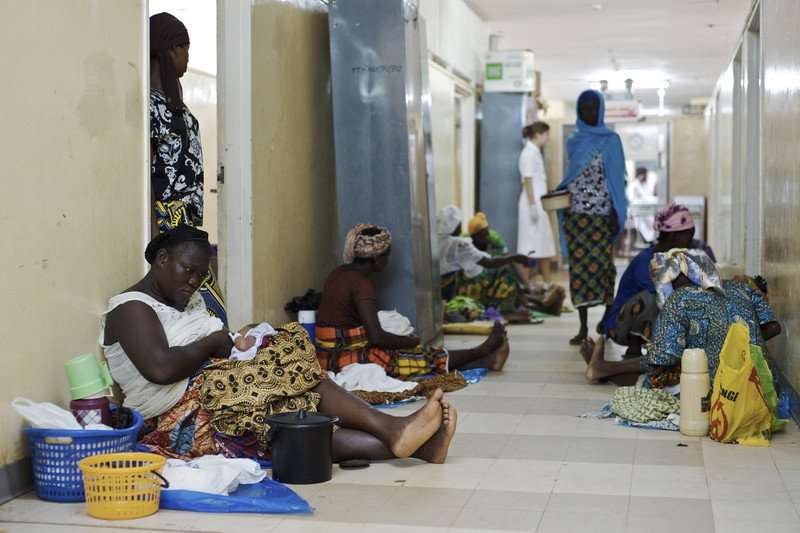
“So if we don’t have this equipment in the facilities, and we’ve not retooled since 2014, the real questions we should be asking are about what health system we have been operating for over 11 years.”
Dr. Kwame Sarpong Asiedu
Dr. Asiedu expressed concern that national conversations have been too narrowly focused on defining the nature of the assault incident rather than addressing the broader failures revealed by the report.
He cautioned that without urgent reforms, similar crises will recur with even more serious consequences. “If the ministry doesn’t take lessons from this report, it’s going to happen again, and it’s even going to be more serious,” he warned.
Ridge Report Demands Action, Not Excuses
For Dr. Asiedu, the Ridge Report is not just about individual misconduct but a damning reflection of Ghana’s health sector.
The systemic neglect, he argued, should be at the heart of national dialogue. Whether it is the absence of modern equipment, severe understaffing, or a lack of investment in retooling, the issues point to an urgent need for reform.
While the report has fueled debate around workplace aggression, Dr. Asiedu insisted that the larger concern must be the state of the health system itself.

Emergency departments, he reminded, are meant to save lives under intense pressure, but without the necessary tools and manpower, health professionals are left to work under impossible conditions.
The Ridge Report, therefore, serves as a wake-up call for Ghana. Its findings, consistent with earlier warnings, highlight a systemic failure that has persisted for over a decade.
For the health sector to meet its mandate, policymakers must shift the conversation away from isolated incidents and toward structural reforms that ensure the system is adequately resourced, staffed, and retooled.
READ ALSO: Cedi Pressure a Short-Term Blip, Not a Crisis- BoG Boss Calms Nerves