
Kenya’s tourism sector is set for a fresh wave of growth as the Kenya Tourism Board (KTB) announced a strategic partnership with Visa on Monday. The collaboration is expected to strengthen marketing campaigns, expand payment accessibility, and promote both domestic and cross-border tourism spending.
As part of the deal, Visa will open access to its Government Insights Hub, a powerful data and analytics platform designed to provide critical insights into travel patterns, peak seasons, consumer spending habits, and regional preferences. This resource will enable KTB to target campaigns more effectively and boost visitor engagement.
The tourism industry has long been one of Kenya’s economic cornerstones, accounting for a significant share of GDP, employment, and foreign exchange earnings. Despite facing global challenges, including the COVID-19 pandemic, the sector has demonstrated resilience and continues to innovate, positioning Kenya as one of Africa’s top travel destinations. Known for its breathtaking landscapes, diverse wildlife, and cultural richness, the country draws millions of tourists every year.
Government intervention has been instrumental in sustaining this momentum. The introduction of the Tourism Bill 2023 aims to streamline regulations, enhance safety standards, and champion sustainable tourism practices. The bill is designed to balance economic growth with environmental protection while ensuring local communities reap tangible benefits.
During the launch of the 2025 Great Wildebeest Migration global live coverage at the Masai Mara, President William Ruto highlighted the government’s broader vision for tourism.
“We are expanding our tourism products beyond wildlife, national parks, and beaches to include a wide array. Digital innovation, sports and conference tourism, and culture are the new areas on offer.”
President William Ruto

Sustainability, Technology, And Growth Drive Tourism Vision
KTB has been intensifying promotion campaigns across Europe, Asia, and the Americas. Innovative tools such as virtual reality tours of iconic destinations, including Mount Kenya and the Maasai Mara National Reserve, are giving prospective travelers immersive previews before they set foot in the country.


At the same time, sustainability remains central to Kenya’s tourism agenda. Lodges and resorts are increasingly turning to solar power and water conservation technologies to reduce environmental impact. Community conservancies in regions like Samburu and Laikipia are also playing a key role, merging wildlife protection with local economic development to safeguard biodiversity while supporting livelihoods.
Kenya has also embraced digital transformation beyond marketing. Payment systems and mobile apps have been rolled out to make park access and reservations more seamless for visitors. Biometric entry systems at national parks are improving security and minimizing fraud, ensuring a safer experience for travelers.
Infrastructure development has reinforced these gains. The modernization of airports, roads, and hospitality facilities has lowered travel barriers, enabling smoother connections across tourist sites. The standard gauge railway linking Nairobi with Mombasa has been particularly impactful, cutting travel time and encouraging more tourists to explore the coastal city.
Cultural tourism has also risen to prominence, as festivals like the Kisumu Impala Festival and the Lamu Cultural Festival celebrate Kenya’s vibrant heritage. Government support for cultural preservation through museums and heritage centers continues to enrich the visitor experience, offering deeper insight into the nation’s history and traditions.
Niche tourism segments are growing rapidly. Adventure activities such as mountain biking, trekking, and hot air balloon safaris appeal to younger travelers seeking unique experiences. Medical tourism is another emerging frontier, boosted by investments in healthcare infrastructure that draw patients from neighboring countries.
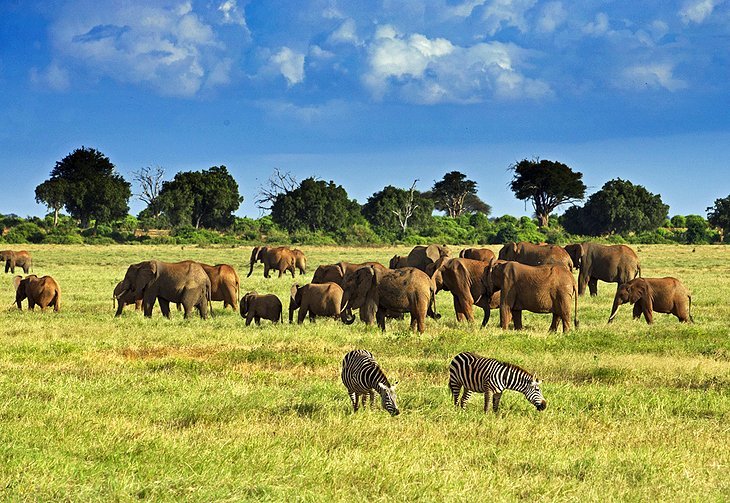
Wildlife conservation remains a defining feature of Kenya’s global reputation. Collaboration with international partners, including the World Wildlife Fund, has bolstered anti-poaching campaigns and advanced monitoring technologies. These efforts have supported the recovery of threatened species such as rhinos and elephants, strengthening Kenya’s position as a safe haven for wildlife.
As such, Kenya’s tourism industry reflects a dynamic blend of tradition, innovation, and forward-thinking governance. By prioritizing sustainability, leveraging technology, and investing in infrastructure, the nation is safeguarding its natural and cultural treasures while driving inclusive growth. With these initiatives in place, the future of Kenya’s tourism sector appears both vibrant and promising.
READ ALSO: US Adds Three Palestinian Rights Groups To Sanctions List