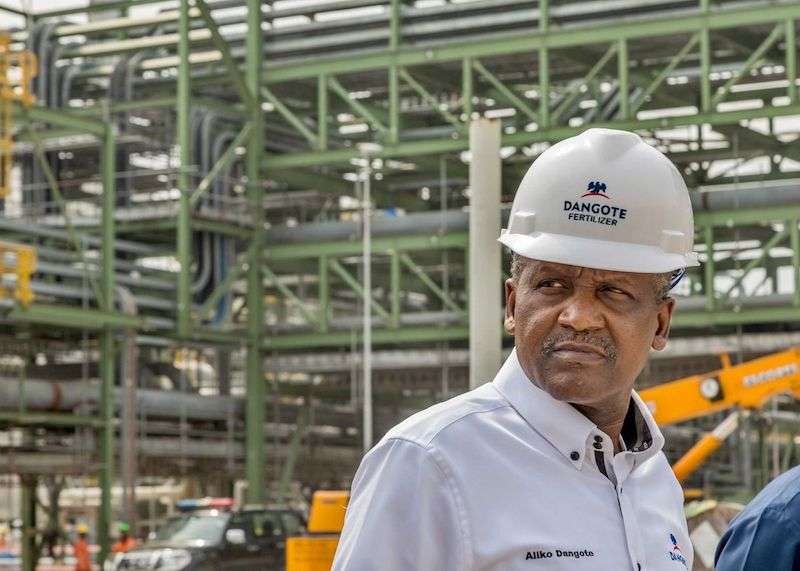
Africa’s wealthiest man, Aliko Dangote, has dismissed growing claims that his dominance in Nigeria’s cement and petroleum sectors amounts to a monopoly, insisting that the country needs more large-scale players to sustain economic growth and reduce reliance on imports.
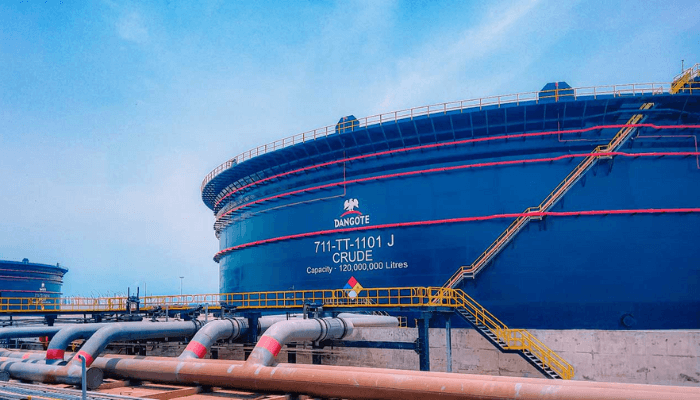
Addressing the $20 billion Dangote Petroleum Refinery, the billionaire argued that profitability in such capital-intensive industries is not only justified but also critical for attracting competition. “If we don’t make money, nobody will come into this business,” Dangote said.
“Then you end up with only one supplier. We don’t want to be a monopoly; we want other players in the business.
“But other players cannot come to a soccer field and want to play cricket, you will wound somebody.”
Aliko Dangote

Dangote recalled how his entry into the cement industry was triggered by former President Olusegun Obasanjo, who challenged him to tackle Nigeria’s chronic dependence on cement imports.
His first attempt to site a factory in Benue State was blocked by local opposition. Undeterred, he built the Obajana plant in Kogi State, which has since grown into Africa’s largest cement facility and the backbone of Dangote Cement’s market dominance.
That experience, he said, demonstrated the need for resilience in tackling Nigeria’s infrastructure challenges.


“Without Obasanjo’s push and our persistence, Nigeria would still be importing cement at an unsustainable scale.”
Aliko Dangote
Corruption in Fuel Imports

Turning to the petroleum sector, Dangote spoke bluntly about corruption in Nigeria’s fuel import system, which he described as deeply entrenched.
“The majority of those fuel-importing ships, when they come, don’t discharge all.
“The person checking is collecting a salary of N100,000, so it’s easy for him to accept an envelope of $10,000 and sign whatever documents you give him.”
Aliko Dangote
He contrasted this with his refinery’s efficiency, pointing to the failure of the Nigerian National Petroleum Company (NNPC) to generate value from crude refining.
“While our refinery produces 54% gasoline from crude, NNPC yields only 18%, mostly low-value fuel oil. The more they operate, the more money they lose.”
Aliko Dangote
Dangote also hit back at the Depot and Petroleum Products Marketers Association of Nigeria (DAPPMAN), which has suggested that the refinery lacks the capacity to meet Nigeria’s domestic fuel demand.
“If we don’t have the capacity, why are we exporting? “It’s the same way they used to kill textiles that they want to use to kill us.”
Aliko Dangote
His remarks came shortly after reports confirmed that the Dangote Refinery achieved a milestone by exporting its first shipment of petrol to the United States.
Around 320,000 barrels of petrol were transported on the tanker Gemini Pearl to Sunoco’s Linden, New Jersey facility.
The shipment was arranged by global trader Vitol, which bought the cargo from Mocoh Oil, Dangote’s export partner, underscoring the refinery’s growing international footprint.
Refinery’s Strategic Role
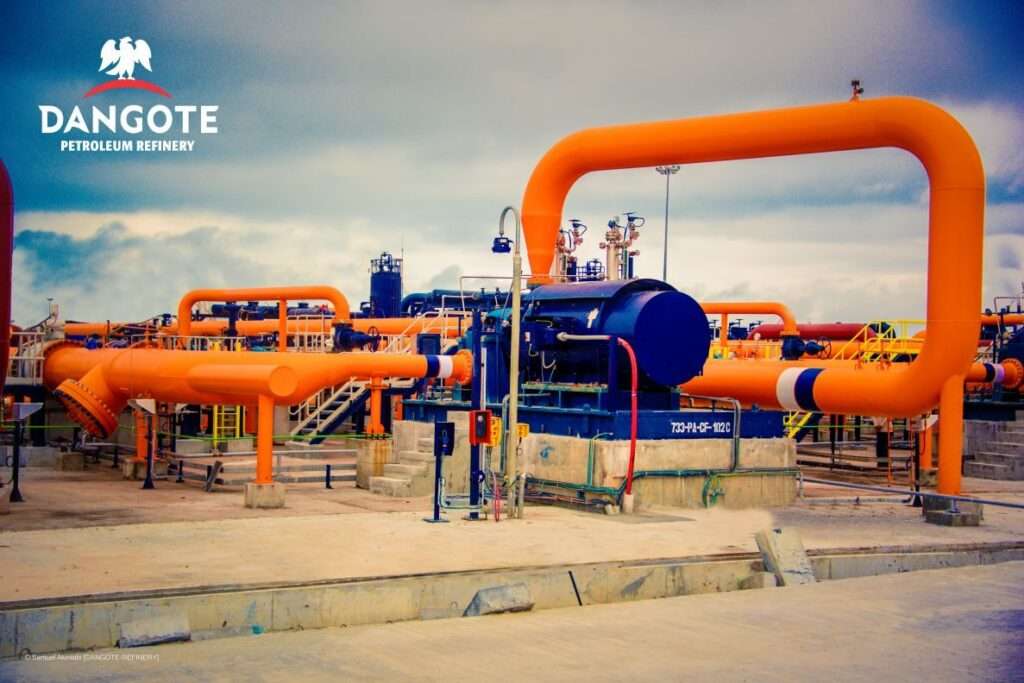
The 650,000-barrels-per-day Dangote Refinery, the world’s largest single-train facility, began operations in 2024.
It was designed to drastically reduce Nigeria’s dependence on imported petroleum products, a reliance that drains billions in foreign reserves annually.
Analysts say the refinery could save Nigeria up to $25 billion a year in foreign exchange while creating thousands of direct and indirect jobs across the value chain.
Dangote emphasized that the project was never intended to exclude other operators but to serve as a model of efficiency and self-reliance.
“Nigeria’s economy is too big for one refinery or one cement plant. We need more players with the scale to compete globally.”
Aliko Dangote
As Nigeria grapples with economic headwinds, Dangote’s refinery and cement empire remain central to its industrial strategy.
His insistence on profitability and large-scale operations signals that he intends to keep shaping the nation’s energy and infrastructure future, while fending off criticism of monopoly.
With the refinery already exporting to international markets, Dangote appears set to strengthen his global footprint even as he calls for more Nigerian and African players to join him in competing on the world stage.
READ ALSO: Market Cheers as Ghana’s Treasury Auction Breaks Four-Week Drought with 15.8% Oversubscription