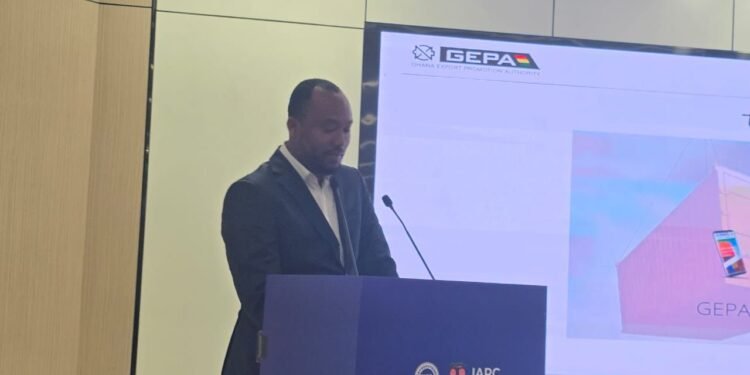
The Deputy Minister of Food and Agriculture, Hon. John Dumelo, hinted that the government’s flagship program, “Nkuko Nkitinkiti” initiative, will begin rollout in the middle of November, calling for Ghanaians to anticipate its impact on birds’ supply in the country.
The flagship initiative, also known as the Poultry Industry Revitalization Project or the Poultry Farm-to-Table Project, will distribute 3 million birds to farmers and beneficiaries across different constituencies in the country.
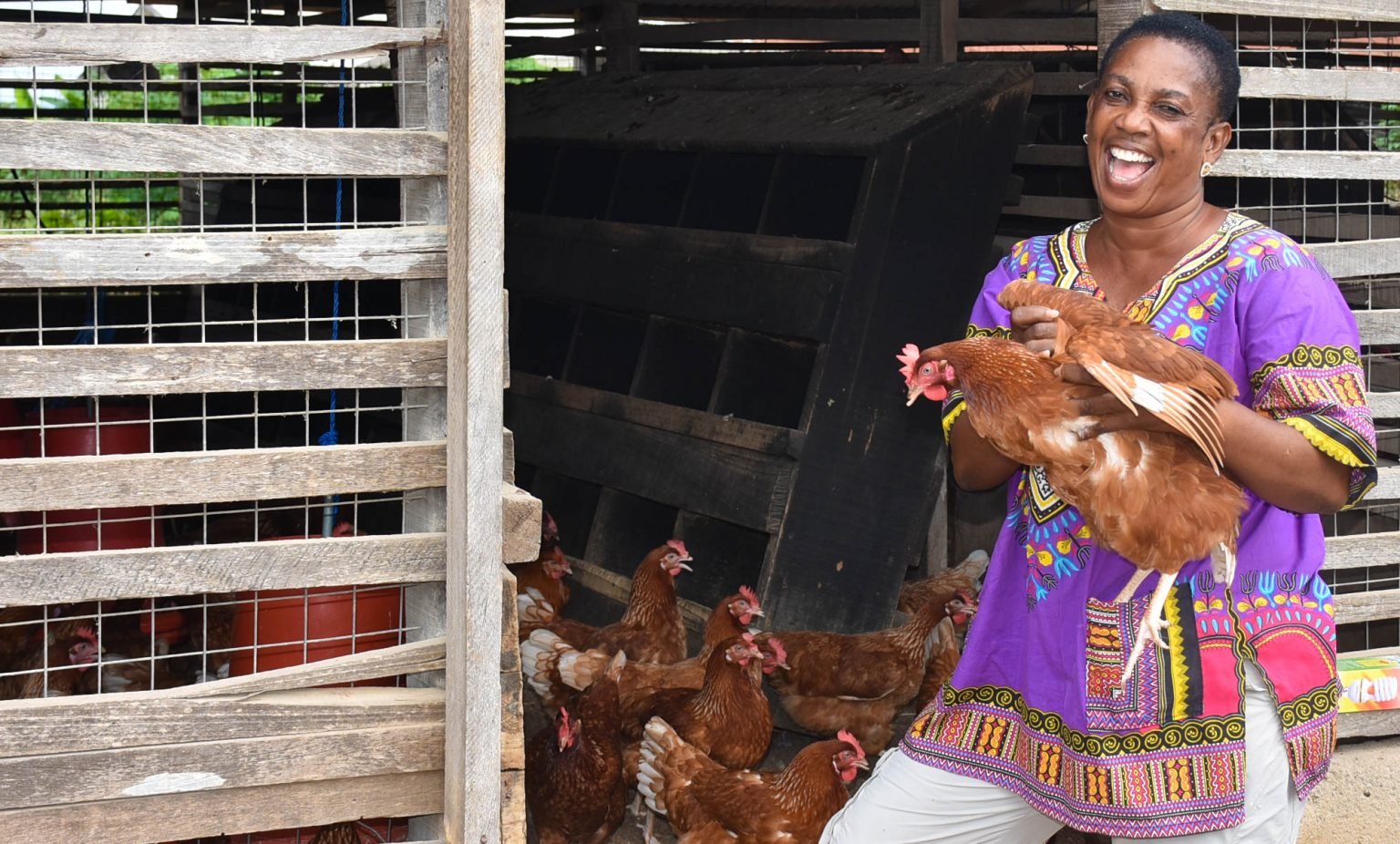
He mentioned that the birds will be vaccinated and accompanied with poultry feed to ensure effective rearing of the birds. The distribution will support both household farmers and smallholder farmers.

“Nkuko Nkitinkiti” Initiative
The initiative is under the Feed Ghana Program (FGP), which was launched in April this year. The FGP aims to modernize agriculture, boost food security, and support Ghana’s economic transformation.
The “Nkuko Nkitinkiti” initiative is to boost Ghana’s poultry industry and substitute the importation of chicken and chicken eggs in the next 3 years, according to President Mahama at the launch of the program. The President lamented that, Ghana imports almost US$ 400 million worth of chicken every year, which could easily be produced here in Ghana.
“Our poultry farm-to-table project will eliminate poultry imports and increase local production. Ghana imports 95 per cent of its poultry needs, which costs over US$ 300 million annually.
“To reverse this trend, government’s plan is to revamp the poultry sector by investing in hatcheries, feed mills, processing, and distribution, working toward eliminating poultry imports.”
John Dramani Mahama, President of Ghana
According to President Mahama, the initiative will be implemented in collaboration with poultry farmers associations. It will support hatcheries, feed meals, veterinary services, and poultry processing centers.


The project will register and support 50 anchor farmers to produce 4 million birds, equivalent to 10,000 metric tons of chicken, the President declared. Aside from this, 55,000 households across the country will be registered to produce 500 birds every year as a supplementary program.
Poultry Distribution
According to the Mr. Dumelo, every constituency will receive 10,000 birds, that is, about 200 households each receiving 50 birds. This, he added, will encourage households to make money from the birds rearing, increasing chicken and chicken eggs production.
“We believe that when people receive these birds, they can rear them in their backyards and make some money for themselves. This will go a long way to boost local production.”
Hon. John Dumelo, Deputy Minister of Food and Agriculture

He further assured the general public of the government’s commitment to a transparent process especially in the household and beneficiary distributions. He clearly indicated that the distribution will be to people or groups that are willing to take good care of the birds and fully committed to the effectiveness of the program. The distribution will be an effective investment made by the government into the economy.
“We should see this as an initial investment by the government. When the birds are ready and you sell them, use that money to buy new ones and continue.”
Hon. John Dumelo, Deputy Minister of Food and Agriculture
The birds will reach the intended beneficiaries because the government has put measures in place to closely monitor the process, Hon. Dumelo underscored.
Therefore, in mid-November, many Ghanaians and sector stakeholders await the first phase of the project as planned by the government.
Initiative Impact
Sector experts have strongly affirmed the initiative, and are confident that if effectively implemented, the project would accrue many benefits to the economy.

The initiative will boost the domestic poultry industry. The economy is expected to cut the import of birds, chicken, and chicken eggs completely. This will also create jobs, especially for the youth and women in the rural areas. It will also stabilize prices in the local market as import costs are taken away.
The domestic feed and processing industries would be strengthened. When the initiative is linked to the other aspects of the Feed Ghana Program, this industry will have access to materials for more production.
Complementing the other initiatives in the sector, it will also improve Ghana’s food security and provide healthier foods, as products will be fresh at all times.

Farmers and communities will also benefit immensely from the initiative. The initiative will support farmers, both small and commercial, to expand within a short period. Farmers will receive resources under the program to make it easy for them to expand.
Household income levels will be increased as 55,000 of them will be beneficiaries and be able to produce and sell the poultry products. This will increase the standard of living of many households and communities.
These are all subject to the effective rollout of the initiative. Farmers and Ghanaians look forward to the month of November with watchful buoyancy, confident of the intervention.
READ ALSO: ‘We Are No Longer Where We Were’: BoG Governor Declares Economic Turnaround at Cedi@60 Launch