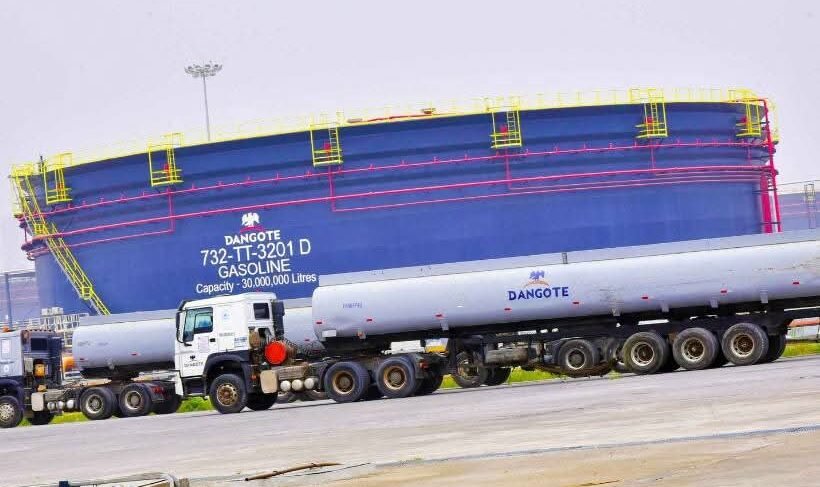
The Federal Government has thrown its full weight behind the Dangote Refinery’s plan to expand its production capacity to 1.4 million barrels per day (bpd), describing the ambitious project as a transformative step for Nigeria and the entire African continent.
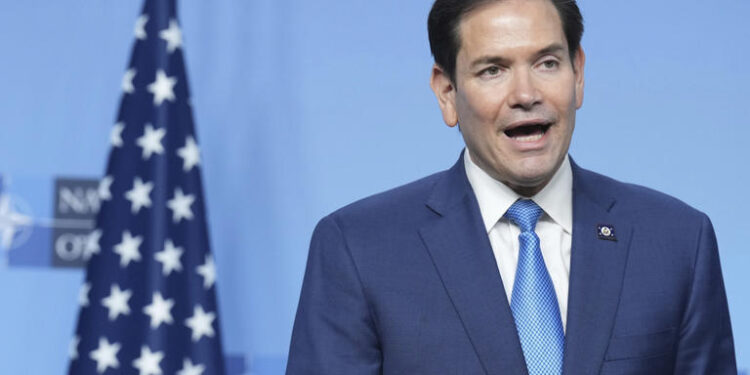
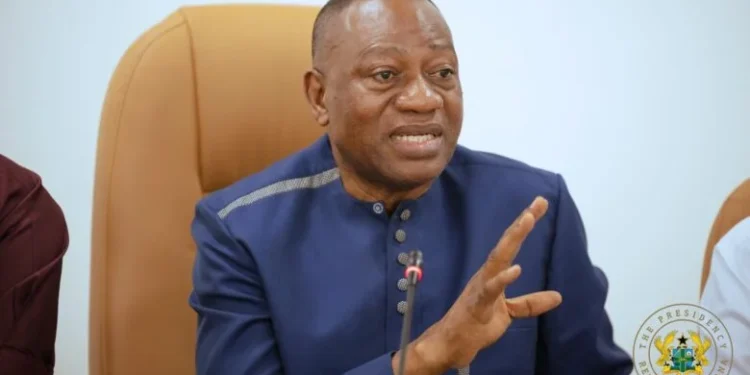
Speaking at the opening of the 19th Africa Downstream Energy Week in Lagos, themed “Energy Sustainability: Growth Beyond Boundaries and Competition,” the Minister of State for Petroleum Resources (Oil), Heineken Lokpobiri, commended the Dangote Group for its bold expansion initiative and pledged the government’s total support to ensure its success.
“I received the good news that the Dangote Refinery is expanding its capacity to 1.4 million barrels per day.
“That will not just save Nigeria or West Africa, it will save Africa and, indeed, make an impact globally. The Federal Government will support him all the way to accomplishing that goal.”
Heineken Lokpobiri, Minister of State for Petroleum Resources (Oil)
Milestone for Africa’s Energy Independence
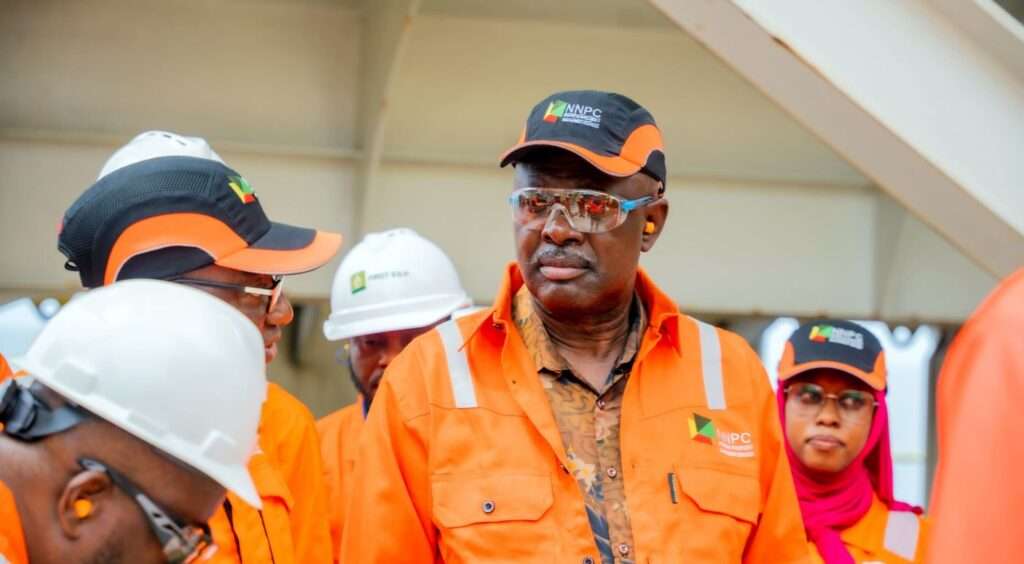
Lokpobiri described the expansion as a major milestone for Africa’s energy independence, noting that the project represents a crucial turning point in the continent’s quest for self-sufficiency in refined petroleum products.
“The Dangote Refinery’s expansion is not just an investment in Nigeria’s future; it is a strategic contribution to the entire continent’s economic sovereignty.
“This refinery is a validation of our policy direction and the bold reforms of the Bola Tinubu administration.”
Heineken Lokpobiri, Minister of State for Petroleum Resources (Oil)
The minister explained that the government’s decision to remove fuel subsidies and liberalise the downstream petroleum sector was essential to creating a viable environment for private sector participation.
“The main reason President Bola Tinubu announced the removal of fuel subsidy on his first day in office was that, with subsidies, the private sector could not grow.
“The downstream can only thrive when the right business environment allows private capital to flow in, invest, and maximise opportunities.”
Heineken Lokpobiri, Minister of State for Petroleum Resources (Oil)
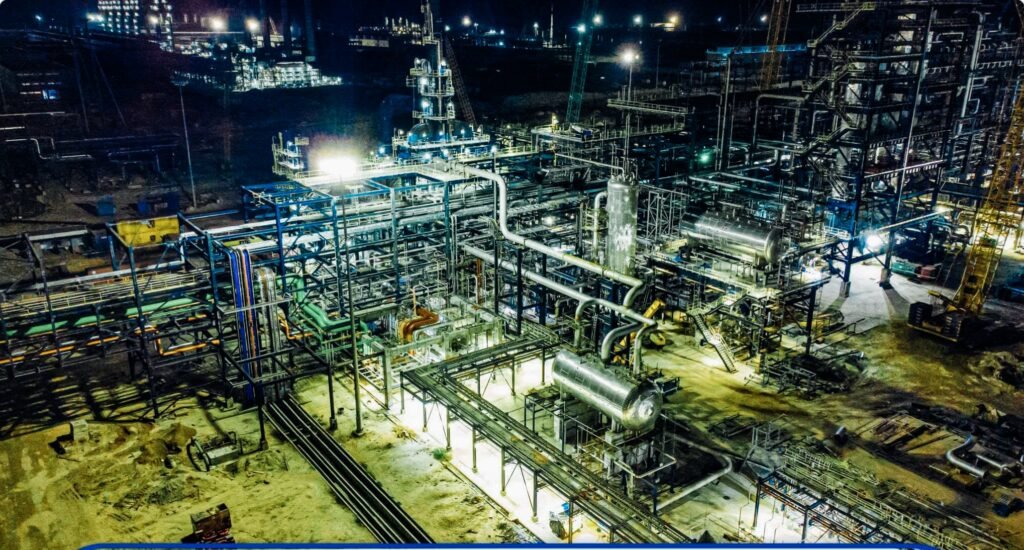


He added that while the decision initially sparked public concern, it has since resulted in a more competitive and stable petroleum market, with greater availability of fuel and improved efficiency.
Lokpobiri emphasised that without subsidy removal, Nigeria’s energy sector would have faced even greater fiscal and operational strain. “Subsidy was not sustainable; it discouraged private investment and placed a heavy burden on government finances,” he stated.
He highlighted the emerging investor confidence in Nigeria’s oil and gas sector as a direct result of these reforms, stressing that the government remains committed to deepening investment and fostering growth across the value chain.
“The downstream sector is gradually stabilising following subsidy removal.
“We are seeing improved product availability, greater competition, and growing investor confidence.”
Heineken Lokpobiri, Minister of State for Petroleum Resources (Oil)
Balancing Energy Transition with Oil Investment
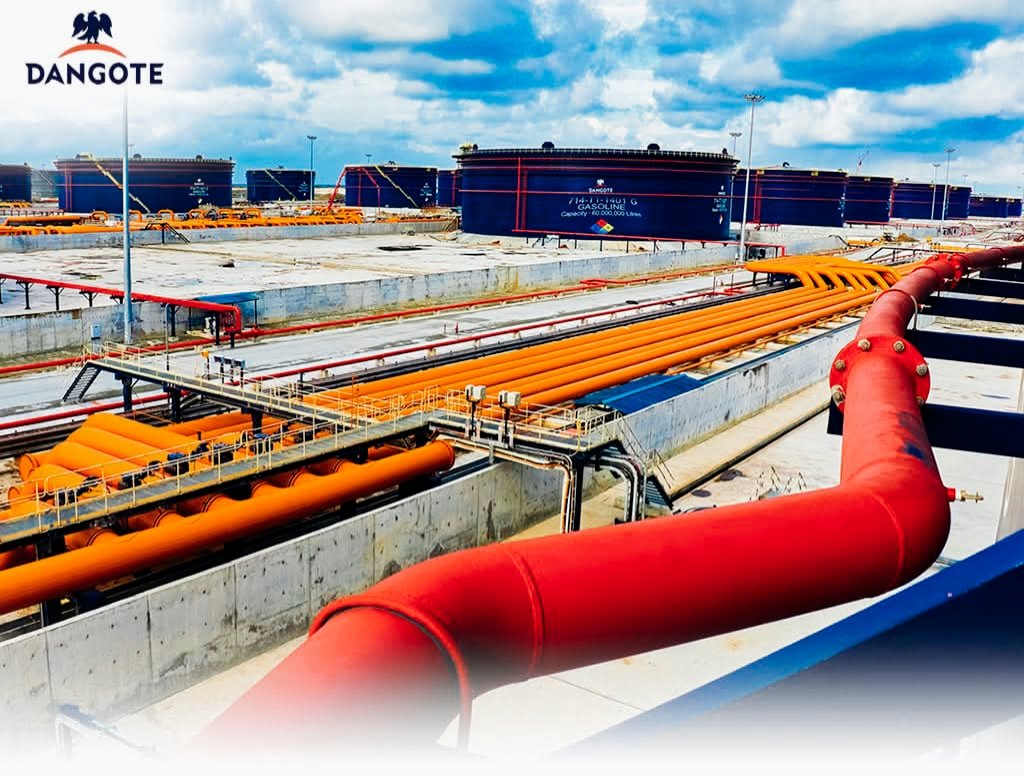
The minister also addressed the ongoing global debate on the energy transition, arguing that while cleaner energy sources are crucial, the world still depends heavily on hydrocarbons to sustain economic activity.
“Without substantial investment in these resources, there will be no financial capacity to fund the energy mix we all desire.”
Heineken Lokpobiri, Minister of State for Petroleum Resources (Oil)
Citing recent United Nations reports, the minister said the world would need to invest about $540 billion annually in oil and gas recovery and related infrastructure to meet growing demand and ensure global energy security.
He stressed that the energy transition must be inclusive and pragmatic, particularly for Africa, where millions still lack access to basic electricity and clean cooking fuels.
“Africa, with a population exceeding 1.4 billion people, cannot afford to ignore investment in oil and gas.
“Expanding exploration, production, and refining capacity is crucial not only for self-sufficiency but also for the continent’s economic stability.”
Heineken Lokpobiri, Minister of State for Petroleum Resources (Oil)
Lokpobiri underscored that the government’s partnership with private sector leaders such as Aliko Dangote reflects a renewed commitment to economic transformation through industrialisation and value addition.
“We will work closely with the Dangote Group to ensure this project’s success because it represents the future of Africa’s energy resilience.”
Heineken Lokpobiri, Minister of State for Petroleum Resources (Oil)
The minister reaffirmed that the government would continue to create an enabling environment for investors while promoting cleaner, more efficient energy systems.