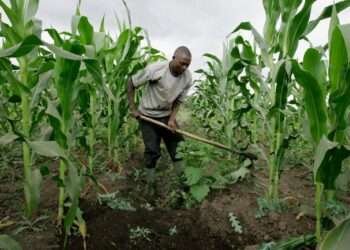
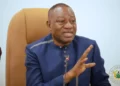
The Securities and Exchange Commission (SEC) is urging Ghanaian farmers to leverage the Ghana Commodity Exchange (GCX) as a tool to safeguard their investments, improve liquidity, and enhance financial inclusion.
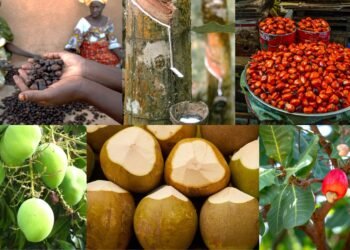
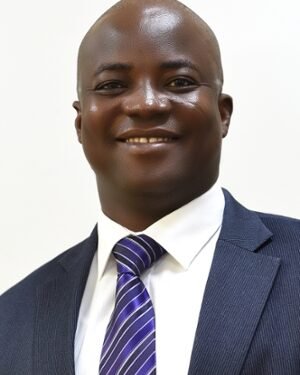
According to the Director-General of the SEC, Dr. James Klutse Avedzi, the GCX offers a structured and transparent trading platform that enables farmers to use their commodities such as maize, rice, and other produce as collateral for loans and other credit facilities.
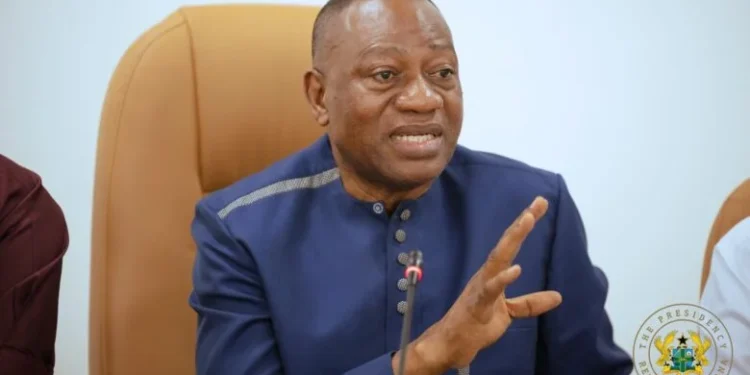
Dr. Avedzi made these remarks during a media engagement where he highlighted SEC’s ongoing efforts to promote investment protection and public awareness under its national education campaign, “Time With SEC.”
He stressed that many farmers continue to lose income opportunities due to a lack of knowledge about existing financial instruments that can secure their livelihoods.
Turning Commodities into Capital
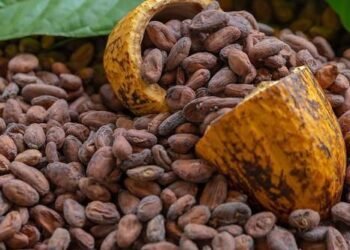
Through the GCX, farmers can transform their stored commodities into financial assets. Dr. Avedzi explained that the exchange operates as a structured marketplace where farmers can declare the quantity of their commodities, which are then verified and valued by GCX officials. Once the valuation process is completed, farmers receive a warehouse receipt—a document that certifies the ownership and quantity of their goods.
This receipt, he noted, can be used as collateral at financial institutions, allowing farmers to access credit without the need for traditional forms of security such as land or property.


“If you are a farmer and you have commodities such as maize or rice, you can go to the commodity market and declare the quantity you have. You will then be issued a receipt, which can serve as a guarantee for loans or other credit facilities at the bank.”
Dr. James Klutse Avedzi
By using this innovative approach, the SEC believes farmers can reduce their dependence on informal money lenders, expand their production capacities, and protect themselves from the financial uncertainties that often plague the agricultural sector.
Enhancing Transparency and Market Access
The Ghana Commodity Exchange, established in 2018, has been a game changer in ensuring fair pricing and reducing post-harvest losses. The platform connects buyers and sellers directly, eliminating middlemen and ensuring that farmers get competitive prices for their produce.
Dr. Avedzi highlighted that beyond providing a fair and transparent marketplace, GCX enhances farmers’ bargaining power and opens up new income streams. Once registered, farmers gain access to a broad network of traders, processors, and exporters, improving their chances of finding ready markets.
“The exchange provides a reliable avenue to market goods quickly, reduce post-harvest losses, and gain liquidity. It’s a safer and smarter way for farmers to manage their produce and finances.”
Dr. James Klutse Avedzi
Such a system, he emphasized, not only benefits individual farmers but also contributes to national economic growth by stabilizing commodity prices and promoting structured trade within the agricultural value chain.
Bridging the Knowledge Gap: Time With SEC
As part of its broader mandate to protect investors and deepen financial literacy, the SEC has rolled out a nationwide outreach programme dubbed “Time With SEC.” The initiative aims to educate the public on safe investment practices, the operations of regulated financial institutions, and the dangers of falling victim to fraudulent schemes.
Dr. Avedzi revealed that many Ghanaians remain unaware of the services and opportunities provided by the SEC and its partner institutions such as the GCX. He said the Commission is intensifying its public education drive to bridge this knowledge gap and empower citizens—especially farmers and small business owners—to make informed financial decisions.
“You realize that many people do not know about the operations of the Commodities Exchange Commission, so we at SEC have decided to embark on a drive to educate people on some of the services we offer.”
Dr. James Klutse Avedzi
Combating Fraud and Promoting Safe Investments
In addition to promoting legitimate investment avenues like the GCX, the SEC is also ramping up efforts to combat fraudulent investment schemes that prey on unsuspecting Ghanaians. Dr. Avedzi cautioned the public, particularly the youth against online investment platforms that promise unrealistic returns and operate without authorization from the Commission.
He advised the public to always verify the licensing status of any investment firm before committing their funds and to report suspicious activities to the SEC for investigation.
“We are determined to ensure that Ghanaians do not lose their hard-earned money to unlicensed operators. Always check with the SEC before investing.”
Dr. James Klutse Avedzi
Strengthening the Agricultural Value Chain
The SEC’s call for farmers to leverage the GCX comes at a time when Ghana’s agricultural sector is seeking new avenues to modernize its value chain. The use of commodity exchanges as financial instruments has proven successful in many emerging economies, offering smallholder farmers better price stability and risk management options.
By promoting GCX participation, the SEC is not only advancing its investor protection agenda but also helping to strengthen the link between agriculture and capital markets. This synergy, Dr. Avedzi noted, could play a crucial role in reducing poverty, improving food security, and enhancing rural livelihoods.
Dr. Avedzi reaffirmed the Commission’s commitment to supporting government efforts in promoting financial inclusion and sustainable agricultural financing. He expressed optimism that with greater awareness, more farmers will register with the GCX and take advantage of the financial opportunities it provides.
“Our goal is to make sure that farmers see the value in structured trading and use it to protect their investments and grow their businesses.”
Dr. James Klutse Avedzi
The SEC’s Initiative underscores a new era for Ghana’s agricultural sector, one where maize, rice, and other commodities are not just crops, but collateral for a stronger and more inclusive financial future.
READ ALSO: 44% of Ghanaians Said the 2025 Budget Addressed Ghana’s Key Economic Challenges – KPMG