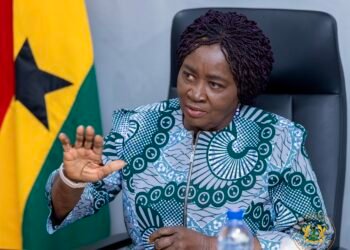
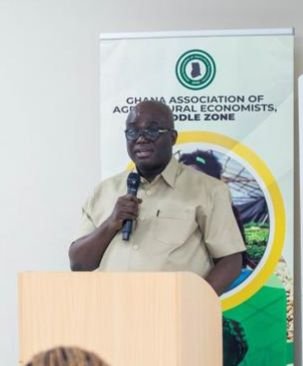
Ghana’s Minister for Food and Agriculture, Hon. Eric Opoku, has reaffirmed the government’s commitment to making agriculture and agribusiness innovative and sustainable, as the government finds this move a pivotal pillar for the broader transformation and development of Ghana.
The minister emphasized the government’s recognition of the central role agriculture and agribusiness play in the broader national transformation and development aspirations of the country.
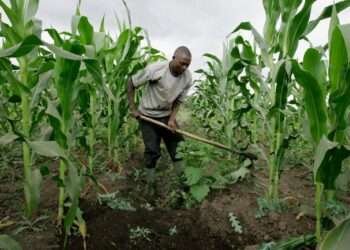
Speaking at the ongoing 8th Annual Conference of the Ghana Association of Agricultural Economists (GAAE-2025) on the theme “Transforming Agri-Food Systems in Developing Economies Through Sustainable Agribusiness Development,” the Minister for Food and Agriculture outlined the government’s resolve to ensure innovative and sustainable agribusiness and agricultural practices for the transformation of Ghana.
“The government of Ghana recognizes the central role of agriculture and agribusiness in national development. Our focus is clear: to make Ghana food secure, export competitive, and economically inclusive through innovation and sustainability.”
Hon. Eric Opoku, Ghana’s Minister for Food and Agriculture.
Hon. Opoku noted that it is not just about the innovativeness of the sector, but its sustainability as well, given that the sustainability of the sector is the surest catalyst for its long-term transformation.

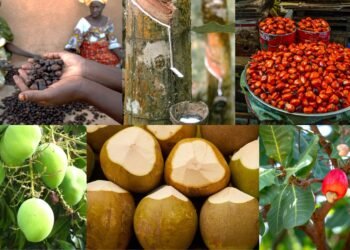
“Sustainable agribusiness is the engine that drives transformation. It links farmers to markets, promotes value addition, and creates jobs along the supply chain while protecting our natural resources.” The minister emphasized.
He therefore outlined the government’s agricultural and agribusiness policies aimed at innovation and the sustainability of the sector, including the Feed Ghana policy and the government’s flagship program, the 24-hour economy policy.


The minister explained that the Feed Ghana policy is a renewed commitment aimed at enhancing domestic food production and the eventual reduction of Ghana’s reliance on imported goods, emphasizing that while a nuanced implementation of the policy would ensure food security, it would also serve as an import substitution strategy, as well as an agribusiness development framework.
He further outlined the components of the policy, from the measures that will ensure smooth farming processes to how farm produce can be transported to factories for production, emphasizing the nature of the value chain that the policy has for innovative and sustainable agriculture and agribusiness.
“The policy focuses on expanding access to improved seed and fertilizer systems, promoting irrigation and mechanization, strengthening post-harvest infrastructure, including aggregation centers and cold storage, and supporting agro-processing and market linkages.
“By improving domestic production capacity, the policy aims to ensure that Ghana produces what it consumes while creating opportunities for local businesses across the value chain.”
Hon. Eric Opoku, Ghana’s Minister for Food and Agriculture.
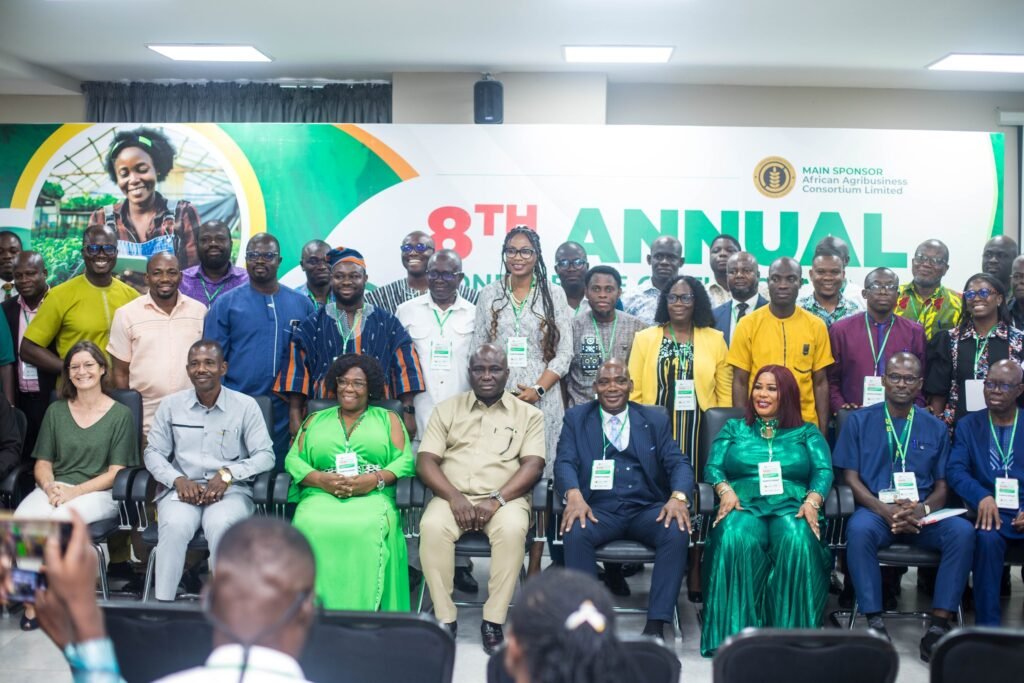
Also, the minister explained that the 24-hour economy policy is aimed at enhancing national productivity by facilitating uninterrupted operations across vital sectors.
By promoting round-the-clock activity in agriculture, food logistics, and related industries, Hon. Opoku emphasized that the policy will ensure efficient supply chains, reduce downtime, and create more employment opportunities, ultimately driving economic growth and improving food security nationwide.
“This means ensuring that food transportation, storage, and processing facilities operate around the clock with adequate power, security, and workforce systems.
“Imagine a Ghana where produce from Wenchi or Ejura moves efficiently throughout the night to urban markets under safe and well-lit conditions, where agro-processing plants run in shifts to meet domestic and export demand, and where young people find decent full-time jobs in logistics, packaging, and warehousing.”
Hon. Eric Opoku, Ghana’s Minister for Food and Agriculture.
The Food and Agriculture Minister also emphasized that the government’s resolve to ensure innovative and sustainable agriculture and agribusiness for Ghana’s transformation will require partnerships and collaborations from industry players, academic scholars, and policy experts such as agricultural economists.
He placed particular emphasis on the role of agricultural economists in implementing the government’s transformative policies, describing their role as one that is indispensable.
“You provide the analytical backbone for sound policies and investment decisions. We need your expertise to design market-based incentives, assess the true cost of food production, and evaluate how policy instruments can attract investment without excluding smallholders.
“We also need stronger university-industry linkages to bridge the gap between research and practice. Too often, excellent research findings remain on shelves while farmers struggle with problems that have already been solved in theory.”
Hon. Eric Opoku, Ghana’s Minister for Food and Agriculture.
The minister also emphasized the need for the inclusion of the youth in these agricultural and agribusiness initiatives, stating that “our youth must also be at the center of this transformation.”
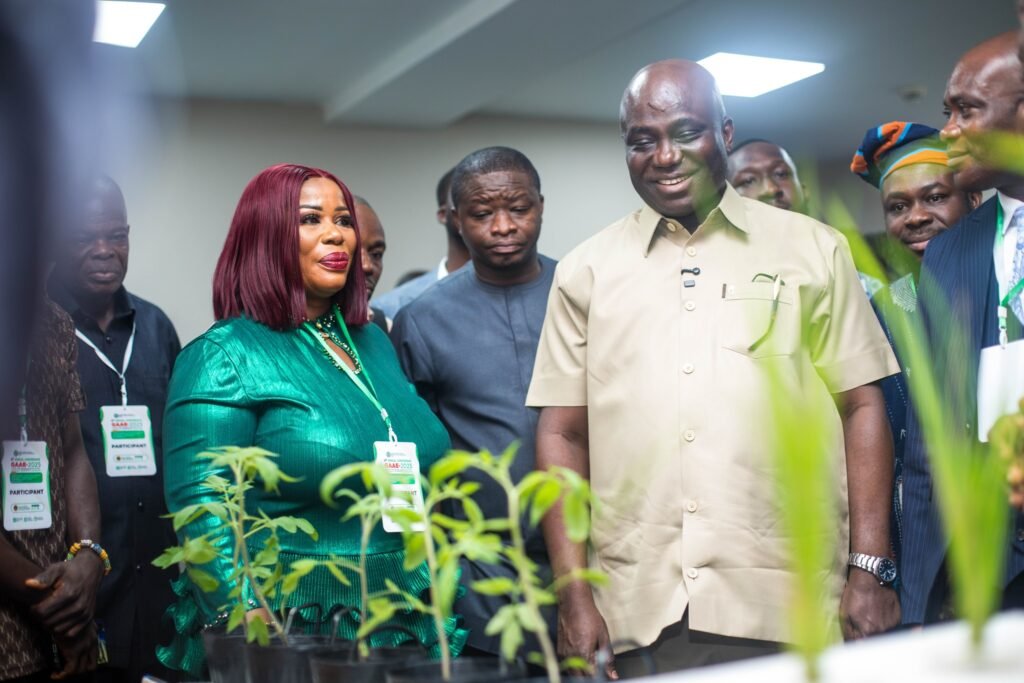
With over 57% of Ghana’s population under 25 years old, Hon. Opoku emphasized that the creativity and energy of this youthful population should be “channeled into agribusiness through innovation hubs, digital agriculture, and entrepreneurial financing, to help unlock the massive potential of the sector.”
He also noted that inasmuch as there is the drive for economic growth, sustainability must remain central, adding that climate change, through erratic rainfall, flooding, and rising temperatures, continues to undermine progress in agriculture and related sectors, demanding urgent, resilient interventions.
“In 2022, Ghana recorded crop losses of about 12% for maize and 8% for rice due to irregular rainfall patterns. We are therefore promoting climate-smart agriculture, efficient water management, and soil health restoration through integrated approaches that combine conservation with productivity.”
Hon. Eric Opoku, Ghana’s Minister for Food and Agriculture.
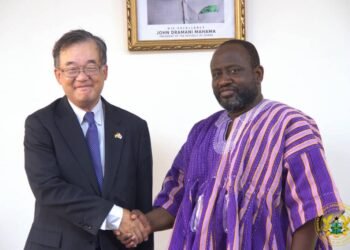
He also reassured the government’s commitment to fostering strong collaboration with private investors, research institutions, and development partners, assuring the ministry’s commitment to creating “a policy environment that rewards innovation, supports fair trade, and encourages responsible investment.”
Hon. Opoku therefore assured the government’s full commitment to supporting initiatives like the Ghana Association of Agricultural Economists in order to transform policies and investment in agribusinesses aimed at building an agricultural sector that is productive, resilient, and globally competitive, adding that “together, we can feed Ghana, eat Ghana, and secure Ghana.”
READ ALSO: Hundreds of Flights Cancelled Across the US Amid Government Shutdown