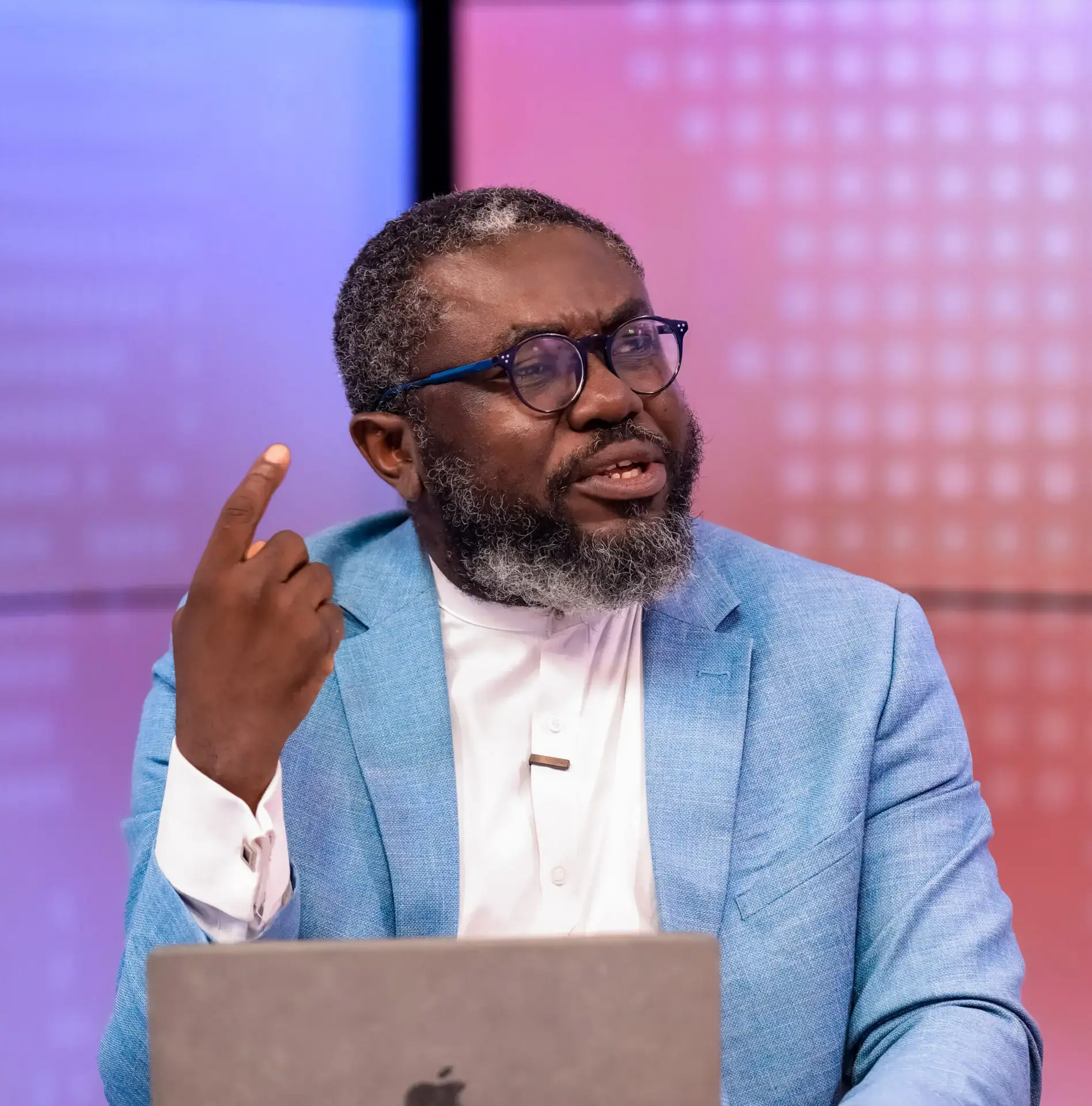
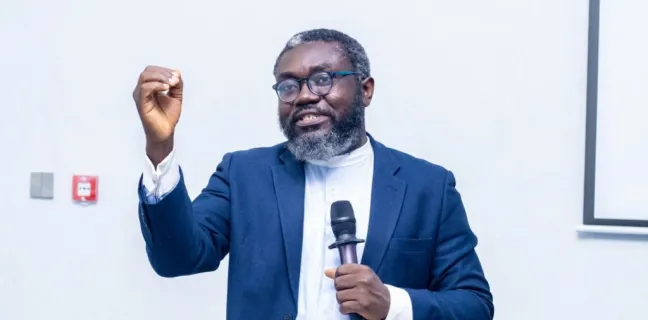
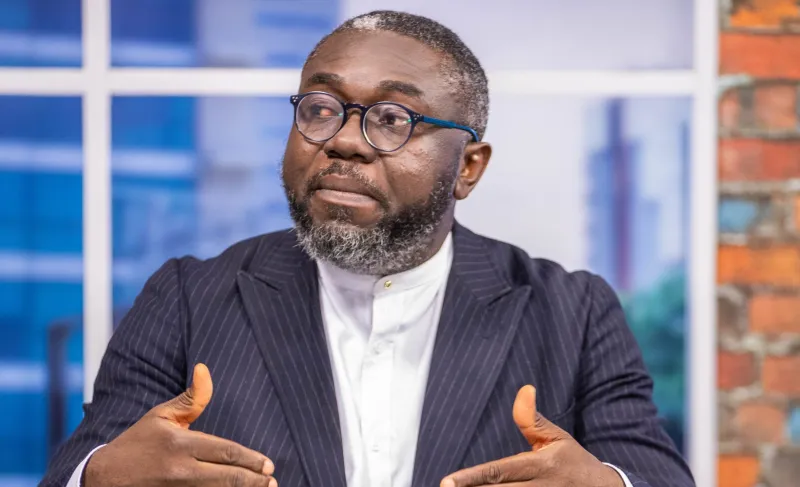
Osagyefo Oliver Barker-Vormawor has criticised proposals to offer automatic recruitment for family members of the victims of the El-Wak Stadium stampede into the Ghana Armed Forces (GAF), describing the idea as unconstitutional, dangerous for national security, and fundamentally misguided.
In a detailed reflection on the tragedy and its aftermath, the convener of the #FixTheCountry Movement said that while the nation carries an undeniable responsibility to the lives lost, transforming military recruitment into a form of compensation dishonours both the victims and the institution.
Barker-Vormawor began by expressing profound sympathy for the families affected by the deadly stampede, insisting he had been unequivocal in condemning what he called the “murderous tomfoolery of our military elite.”
According to him, “Common sense was completely lacking. And these deaths are their cross to bear.” He stressed that the El-Wak tragedy was avoidable and that accountability should be prioritised over symbolic gestures that distort the purpose of the Armed Forces.
He argued that proposals for automatic enlistment, though understandable in a country where “politicians are given ‘protocol’ slots for recruitment,” remain deeply flawed.
He noted that even though such practices are publicly denied by political leaders, they continue to persist informally, creating an environment where the public increasingly views recruitment as a benefit rather than a structured, merit-based process.


“Our Constitution is built on the idea that public institutions serve the collective. Recruitment into the Armed Forces is not a memorial gift nor a welfare package. I would assume that recruitment will be guided by competence, training standards, and the operational needs of the Republic.”
Osagyefo Oliver Barker-Vormawor
Turning the Military into a Hereditary Estate
Any attempt to treat vacancies as compensation, he argued, represents a fundamental misunderstanding of the role of the security services. He warned that granting preferential access to GAF enlistment as a form of reparation risks turning the military into a “hereditary estate,” a notion he said contradicts both logic and the letter of the Constitution.
“The Republic has never designed military service as a form of inheritance where the death of one family member entitles another to take their place,” he wrote. According to Barker-Vormawor, establishing such a precedent could create a dangerous cycle of expectations.

“Today it is El Wak. Tomorrow, it will be any other tragedy, and the Government will find itself allocating enlistment spaces on the basis of emotion, political pressure, or public sympathy rather than merit.
“Already, ElWak has brought back the Ghost of the Helicopter families and now one family too now demands slots in the army for a past defence minister.”
Osagyefo Oliver Barker-Vormawor
Beyond the practical and security-related concerns, Barker-Vormawor raised what he described as unavoidable constitutional objections. He referenced Article 296 of the Constitution, which requires that discretionary power be exercised fairly, reasonably, and without bias.
Arbitrary Preference
Offering automatic recruitment to one group of families, no matter how tragic their loss, he stated, introduces an arbitrary preference incompatible with the principles of equality before the law.
“Our Constitution asks us to honour all Ghanaian lives equally, not some through special privileges unavailable to others who also suffer loss in service to this country”.
Osagyefo Oliver Barker-Vormawor
He further argued that transforming recruitment into a form of reparations risks undermining the institutional integrity of the military. Every enlistment that is not based on competence, he warned, weakens the very operational standards that ensure the safety of both civilians and the officers themselves.
“The military is the one institution that cannot afford sentimental policymaking. Lives depend on discipline, training, and objective standards. We dishonour the memory of the fallen when we weaken the institution they served.”
Osagyefo Oliver Barker-Vormawor
Transparent Compensation Process and Accountability
Instead of bending recruitment rules, Barker-Vormawor proposed alternative measures he believes would be more constitutionally sound and morally meaningful.
He called for a transparent compensation process, a full public accounting of the events leading to the tragedy, psychological support for the affected families, and a commitment to ensure that such negligence “will never be repeated.”
He suggested that the state could adopt a more dignifying approach by granting the victims honorary posthumous enlistment and burying them with full military ceremonial honours.
Such recognition, he argued, would allow the nation to publicly acknowledge the worth of the young lives lost without distorting the recruitment process. “Let the State bury them with the rituals, honours, and symbolic commission befitting young people whose lives were cut short through the negligence of those in uniform,” he wrote.

Barker-Vormawor concluded by urging policymakers to avoid emotional responses that erode the structure of national institutions. “Let our response to tragedy strengthen the Republic, not bend its institutions,” he said. “And let us always remember that the most powerful way to honour the dead is to ensure that what killed them never happens again.”
Barker-Vormawor’s reflections serve as a caution against allowing national grief to reshape constitutional norms or weaken critical state institutions. He insisted that true honour for the El-Wak victims lies not in bending recruitment rules but in demanding accountability, strengthening the Armed Forces, and ensuring such a preventable tragedy never recurs.
READ ALSO: Massive Investor Exodus Hits Treasury Bills; 2026 Budget Seen as Last Hope