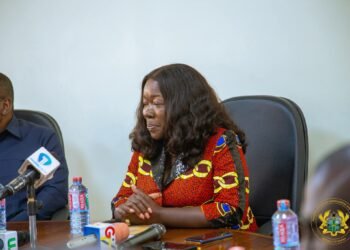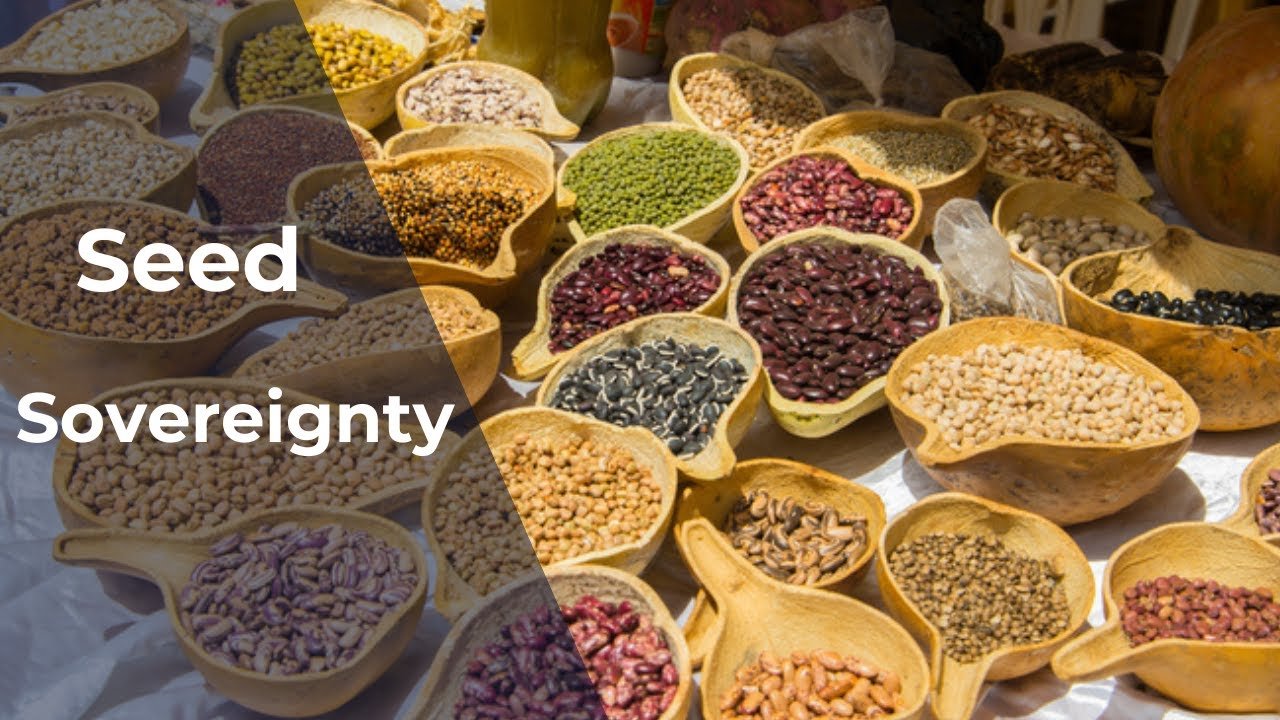
Hon. Eric Opoku, the Minister for Food and Agriculture, announced that the government has begun policy initiatives to make Ghana a seed sovereignty country from 2026.
Appearing at the Government Accountability Series, the Minister provided highlights of gains made in the sector as well as the policies rolled out to boost food production and develop agriculture in Ghana.
The Minister revealed that research institutions that have made strides in seed research will be partnered to ensure the success of the initiative.
“We recognize the immense potential of our research institutions in seed research, development, and testing. And the Ministry stands ready to collaborate with them to work towards full seed sovereignty.”
Hon. Eric Opoku, Minister for Food and Agriculture
He pointed out that the success of the collaboration will emphasize the initiative’s rollout in 2026. “Without seed sovereignty, there can be no food security,” he noted.
Supporting Partners
Ghana has gained support from Korea to train local farmers in Ghana on effective seed production. Hon. Opoku hinted that only locally sourced seeds will be supplied to the Ghanaian farmers by the Ministry of Food and Agriculture (MoFA) from 2026. The Koreans will not only educate the local farmers but will also provide irrigation equipment on a wide range of lands to enhance the seed production initiative.

“With the support of the Korean Plant Industries Association (KOPIA), Ghanaian farmers are undergoing intensive training in seed production.
“At the same time, the Korean Rural Corporation (KRC) is developing irrigation infrastructure on 100 hectares of land to support rice seed production.”
Hon. Eric Opoku, Minister for Food and Agriculture
The Korea Institute for the Advancement of Technology (KIANT) has commissioned a 1-megawatt solar farm to power the irrigation systems. The Ministry of Energy and Green Transition has been consulted to provide technical support in the solar power installations.


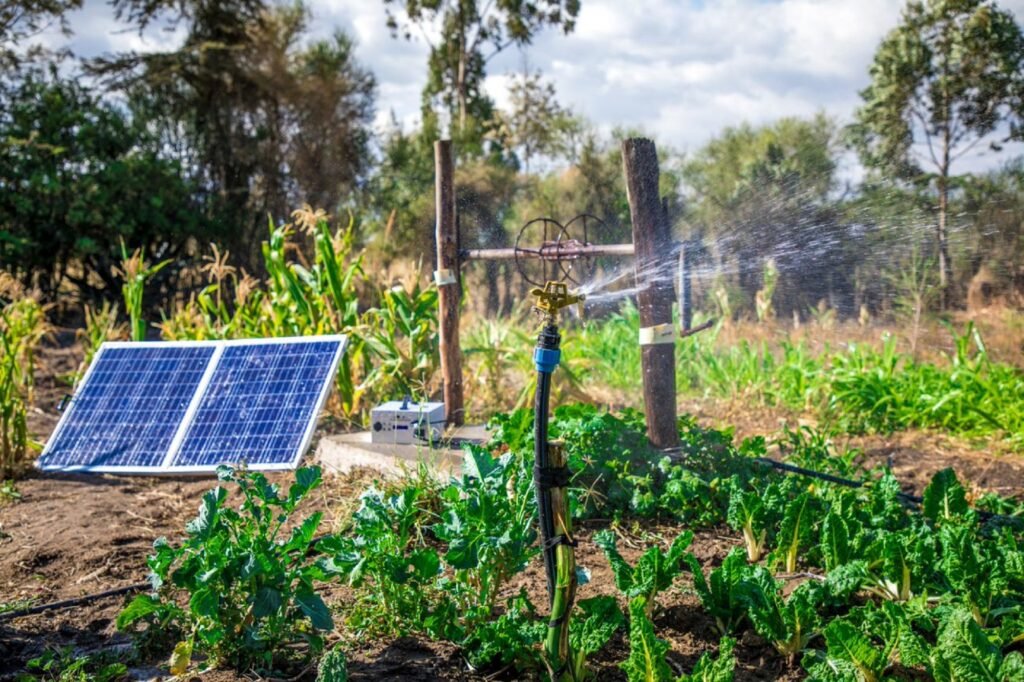
The irrigation-building partnership is to ensure increased yield, sustainability, and affordability. This project is expected to be completed in 2027 and will produce 10,000 tons of high-quality rice seed, the Minister revealed. Ghana will be well on its way to rice seed independence.
The government is also partnering with Japan to receive additional training in seed production and the Netherlands for technical and financial farmer-capacity building in vegetable seed production.
“Similarly, the Japan International Corporation Agency, JICA, in collaboration with the Ghana Irrigation Department Authority, is training rice seed producers in ‘Weta,’ ‘Otanga,’ and ‘Tonpu.’
“In addition, a Memorandum of Understanding has been signed with the Government of the Netherlands to facilitate the technical and financial capacity building for the development of vegetable seed production in Ghana.”
Hon. Eric Opoku, Minister for Food and Agriculture
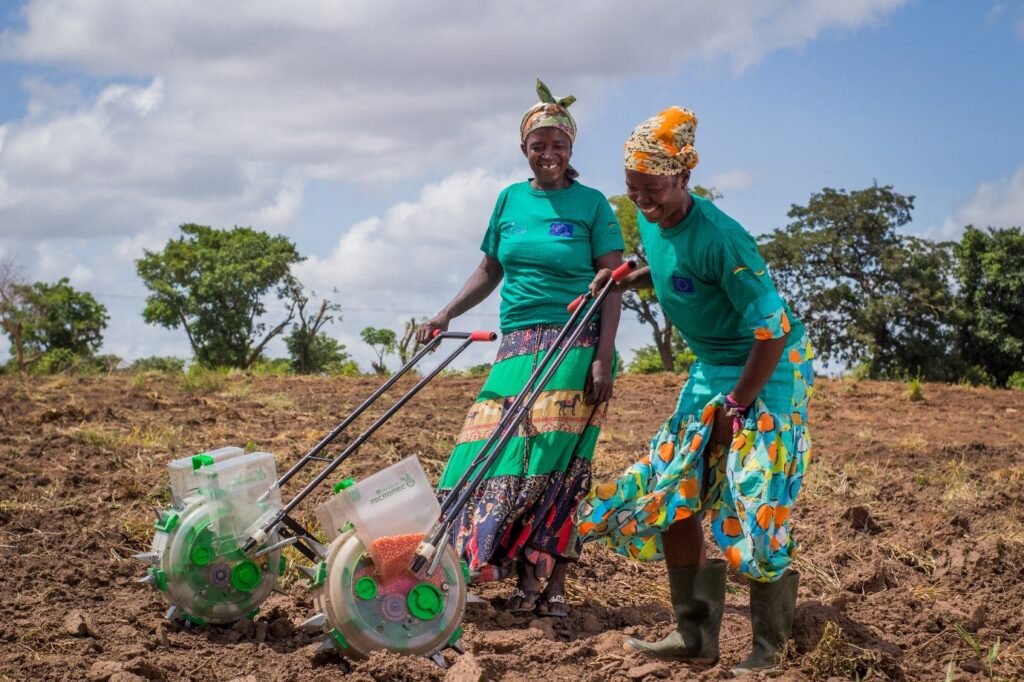
The main resource needed for any planting or crop yield is seed. Once the seed is available, production can be unlimited. According to Hon. Opoku, KOPIA has donated 300 tons of ‘Agyapa’ rice seed developed by the Council for Scientific and Industrial Research, CSIR, to provide free support to rice farmers, and an additional 154 tons to support their lean-season production.
Seed Capacity and Management
MoFA, supported by the Alliance for Green Revolution for Africa (AGRA), has purchased modern seed testing equipment for the Plant Production and Regulatory Services Directorate (PPRSD) for quality assurance of locally produced and imported seeds. This equipment will test seed capacity and ensure its viability to maximize yield.
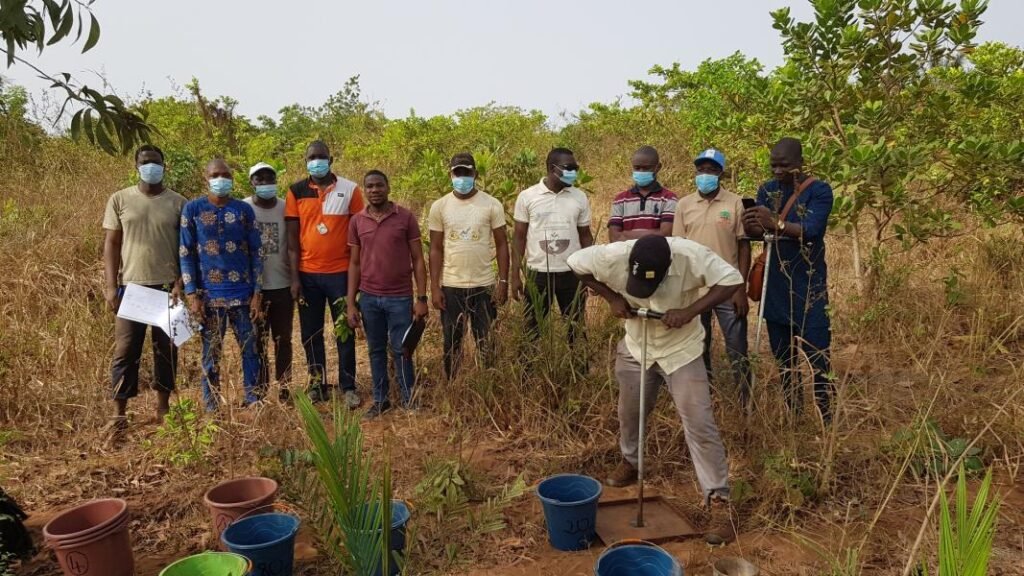
Aside from the seed testing, equipment has been purchased that can determine the appropriate fertilizer application for different soil types and locations’ suitability.
“AGRA has again supported the position of fertilizer testing equipment for PPRSD, enhancing the Ministry’s ability to monitor and regulate fertilizer quality nationwide.”
Hon. Eric Opoku, Minister for Food and Agriculture
While seeds and fertilizers are being tested to identify where they apply most effectively, the various farming soils need to be managed and enhanced for maximum yield.
“Effective soil management is indispensable for enhanced crop productivity. It is against this background that, in partnership with the Food and Agriculture Organization (FAO), MOFA has taken delivery of state-of-the-art soil testing equipment, and the soil laboratory in Kumasi is being rehabilitated and retooled to international standards. Soil sampling and analysis across the country will commence in the early part of 2026.”
Hon. Eric Opoku, Minister for Food and Agriculture
The Minister reiterated that these tests are necessary to determine soil-specific fertilizer blends and to improve yields. Crop suitability for the different soils and locations will also be determined in specific areas for increased productivity. He further stated that “FAO, MOFA, and the Soil Research Institute of CSIR are collaborating to build a reliable scientific foundation for sustainable soil management and agricultural planning in Ghana.”
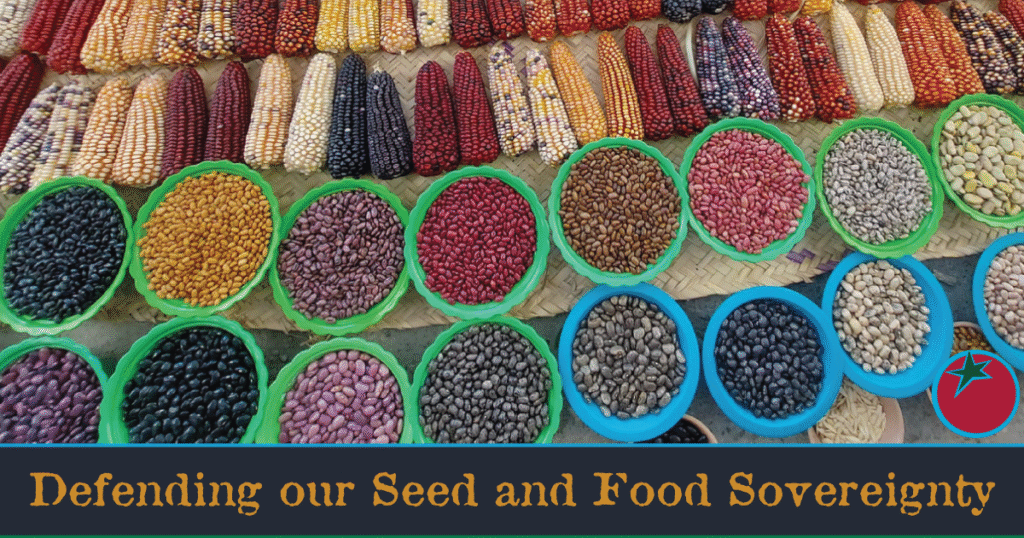
With these partnerships and equipment, Ghana, from 2026, will lower seed cost, ensure availability of crop seeds, have skilled farmers with best practices, and improve crop yield. While jobs are created, the sector’s growth will be assured, and its impact on the national growth will increase.
READ ALSO: Geopolitical Tensions and Market Swings Trigger New BoG Warning