IMANI Africa has raised serious concerns about Ghana’s ability to effectively implement climate adaptation initiatives, citing weak governance structures, poor coordination among state agencies, and misaligned institutional incentives.
The warnings were issued at IMANI’s stakeholder engagement themed “Enhancing Governance and Accountability for Climate Adaptation & Energy Transition in Ghana’s Mining Industry.”
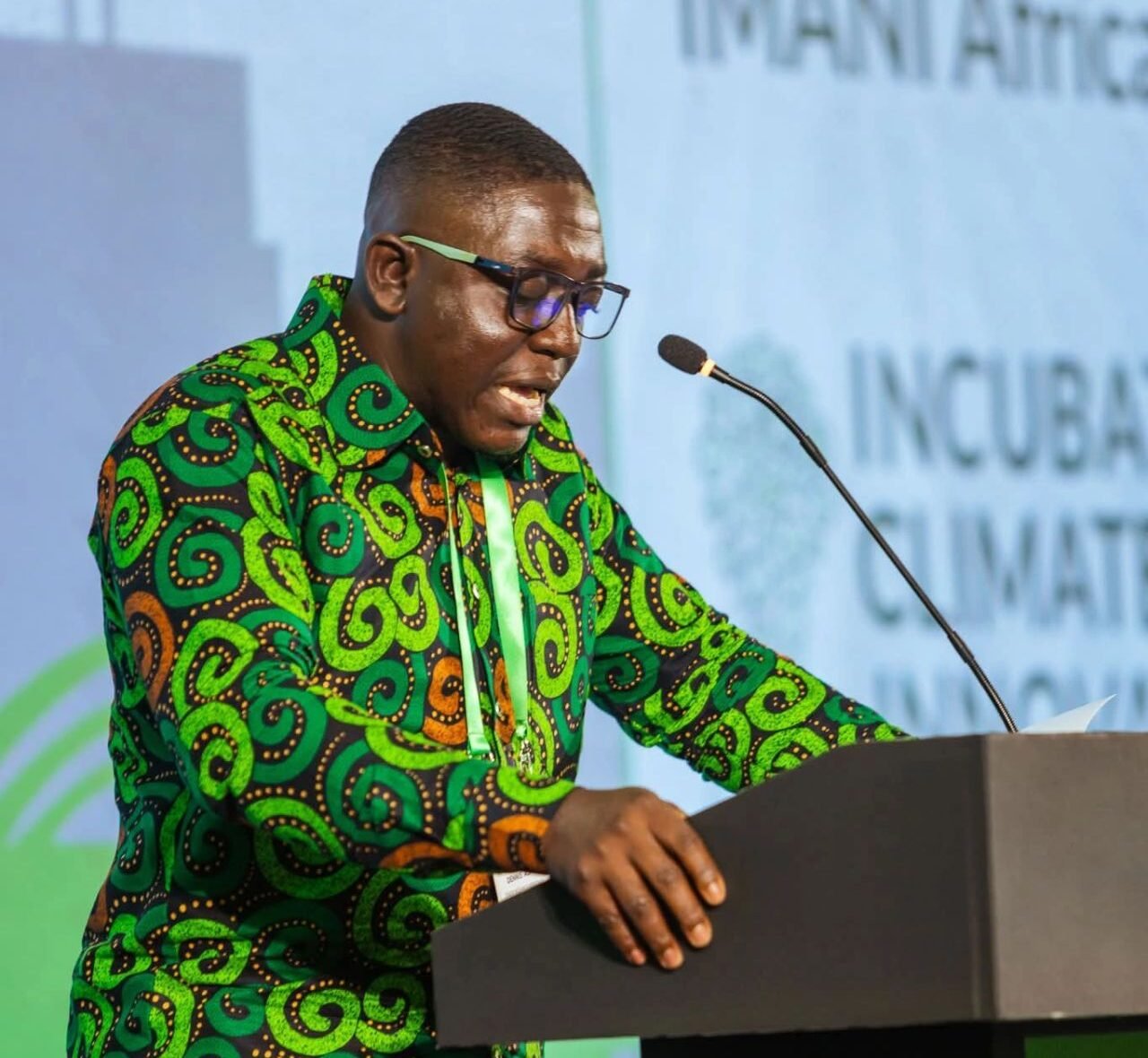
Presenting the organisation’s findings, Senior Research Associate Dennis Asare said IMANI and its partners had sought to understand the key enablers and barriers affecting climate adaptation outcomes in Ghana.
He noted that despite having a national adaptation strategy and oversight committees, the country continues to record climate-related projects that fail to deliver meaningful results.
“We have our national adaptation strategy, we have the adaptation oversight committees, and all of that.
“But how come some projects are not delivering adaptation? That is the question we wanted to ask.”
Dennis Asare, Senior Research Associate at IMANI
He explained that identifying barriers and enablers within Ghana’s climate governance architecture is now essential, especially as climate funds continue to increase.
He added that development partners often fund ministries and agencies to execute adaptation programmes, but weak institutional performance undermines their impact.


“How do we get them to identify some of the local and institutional factors that are undermining delivery?
“And how do we strengthen demand-side accountability?”
Dennis Asare, Senior Research Associate at IMANI
Weak Governance Slows Green Investment and Climate Financing

IMANI argues that the struggle to raise climate financing is partly a result of Ghana’s failure to create a business environment conducive for investment in green solutions. Asare referenced IMANI’s assessment of the nation’s business climate, launched earlier this year.
“Even in creating an enabling business environment for green investment, we have not built the necessary governance and market structures.
“That is why we struggle to raise climate financing,” he said.
Dennis Asare, Senior Research Associate at IMANI
He noted that despite global momentum toward renewable energy and sustainability, Ghana’s governance ecosystem remains too fragmented to attract large-scale climate-related investment.
Overlapping Climate Institutions with Poor Climate Funds Tracking
One of the most pressing concerns highlighted by IMANI is the lack of coordination among institutions involved in climate finance. Asare said years of analysis show that government is unable to fully track climate-related funds entering the country.
He revealed that the Government of Ghana (GoG) developed a tool called ‘CLIMAFINTRACK’, designed to monitor climate expenditure. However, he noted that it is still unable to capture all climate spending, especially donor-funded activities that bypass the national budget.
“Every institution is doing something on climate, but it is not properly coordinated, leading to overlapping and repetition of activities.”
Dennis Asare, Senior Research Associate at IMANI
He added that some donor-funded activities are later duplicated in government budgets, contributing to inefficiency without corresponding impact.
According to Asare, this misalignment creates a costly illusion of progress: “It leads to more expenditure, but we are not seeing impact.”
Another major governance flaw identified by IMANI is the misalignment of institutional incentives. Asare said many state agencies measure success based on the number of projects executed rather than their real-world impact.
“Most institutions are concerned with delivering projects rather than delivering impact.
“We have a lot more projects being delivered, but they are not translating into meaningful adaptation.”
Dennis Asare, Senior Research Associate at IMANI
This trend, he warned, jeopardises Ghana’s efforts to build resilience in communities most affected by climate shocks.
Warning for Policymakers and Development Partners

IMANI’s message is clear: Ghana’s climate adaptation architecture requires urgent reform. Asare said the country cannot continue to demand more climate funds at global platforms such as COP if domestic systems remain too weak to ensure their effective use.
“At COP, the message is that we need more funds. But how do we ensure that every fund that comes actually delivers value for money?”
Dennis Asare, Senior Research Associate at IMANI
His warning underscores a broader call for accountability, coherence and stronger governance, elements IMANI insists are indispensable for building climate resilience and protecting vulnerable communities.