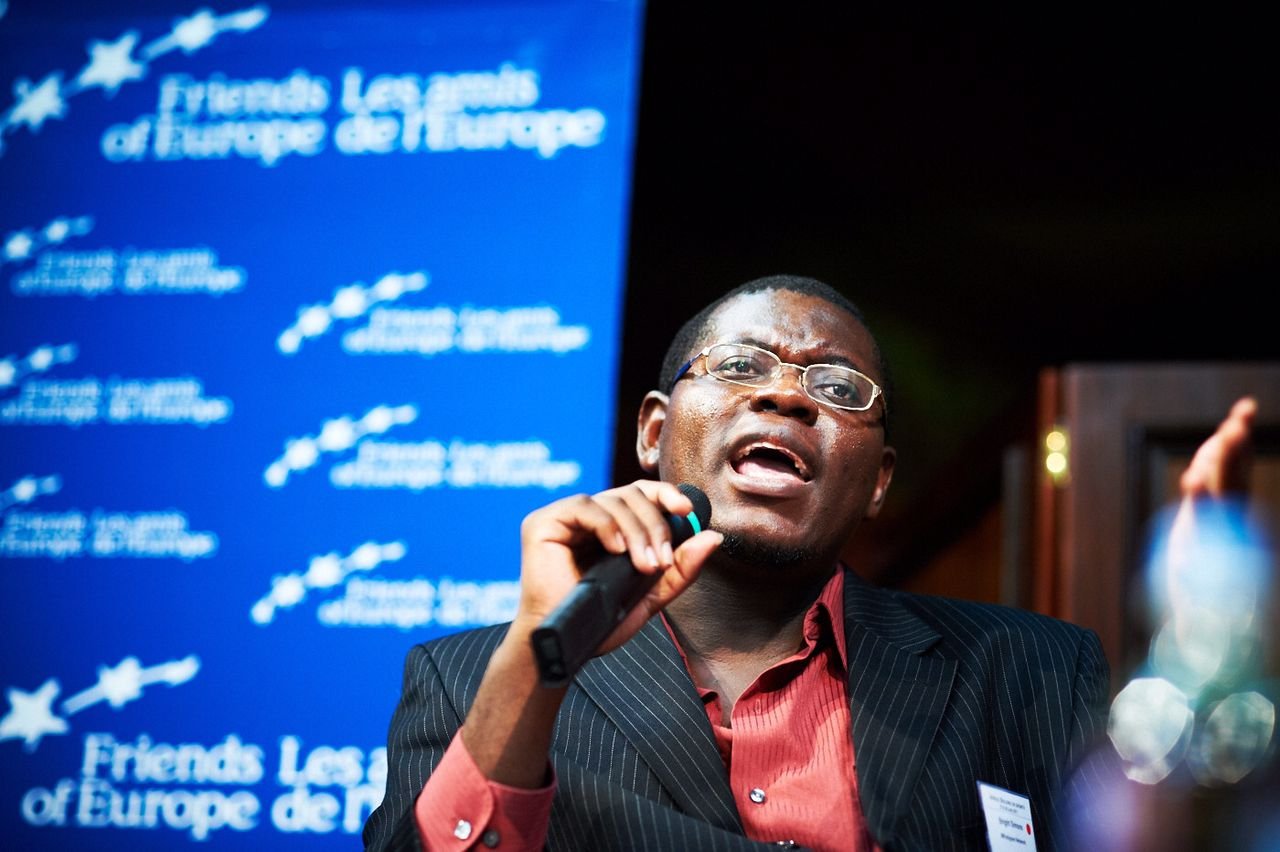
Bright Simons, the Policy Activist and Vice-President at IMANI Centre for Policy and Education, has firmly rejected the purported lithium global price drop justification for reducing the royalty rate from the originally negotiated 10% to a mere 5%.
Bright Simons’ comprehensive analysis delves into the various claims made by the country’s Mines Minister and the Head of the Lands Committee in Parliament, exposing the glaring inconsistencies and misleading information used to push through the revised agreement with Atlantic Lithium’s subsidiary, Barari DV Ghana Ltd.
“No one should be allowed to drive policy with hallucinatory numbers,” Simons asserted, underscoring the urgent need for transparent and fact-based decision-making in the management of Ghana’s strategic mineral resources.
“I am quite saddened by how we have been treated by Ghana’s Mines Minister & Head of the Lands Committee in Parliament. They are hell-bent on passing the Atlantic Lithium lease in Parliament and are using very unfortunate tactics to do this.”
Bright Simon, Vice-president, IMANI
“The latest argument from the Lands Committee Boss in Parliament now is that the law ties their hand. He claims the law limits Ghana to 5%. We have explained carefully that THIS IS ALSO NOT TRUE,” Simons declared, debunking the legislative constraint narrative.
Rhetoric and Exposing the Facts
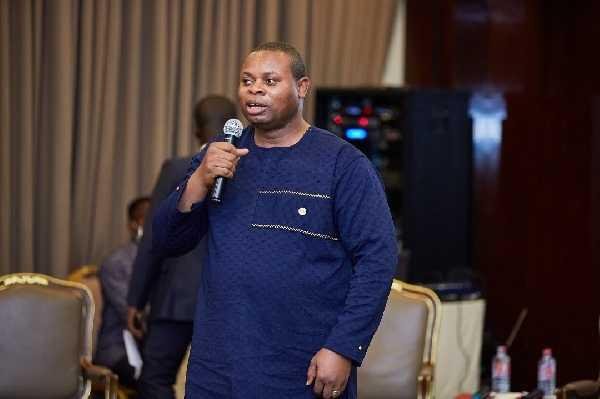
Bright Simons’ detailed analysis meticulously dismantles the various arguments put forth by the government to justify the reduction in the royalty rate. He systematically addresses each claim, drawing on robust evidence and expert analysis to challenge the official narrative.
The policy activist refutes the Mines Minister’s claim that lithium prices have plummeted from $3,000 to around $630 per ton, rendering the original business model of Atlantic Lithium unprofitable.


He buttressed his assertion by highlighting that at the time the agreement was signed in 2023, lithium prices were actually around $2,200 per ton, and the company’s own financial modeling was based on a benchmark price of $1,587 per ton.
Furthermore, Simons pointed out that current market prices are hovering around $1,150 per ton, a significant margin above the company’s total cost of $610 per ton.
This, he argued, translates to a gross margin of approximately 45% for Atlantic Lithium, a figure that should raise serious questions about the government’s willingness to defend such a generous deal.
IMANI and Ewoyaa Lithium Deal

IMANI Centre for Policy and Education, of which Bright Simons currently serves as Vice-President, has been at the forefront of the campaign to secure a better deal for Ghana in the Ewoyaa lithium mining agreement.
The think tank’s comprehensive analysis and policy activism have been instrumental in exposing the flaws and inconsistencies in the government’s policies including the current Atlantic Lithium Agreement.
Bright Simons’ intervention comes at a very crucial juncture, as the government is attempting to push through the revised agreement in Parliament, despite mounting concerns from civil society and policy experts.
Bright Simon and IMANI’s role in this process underscores the importance of independent policy analysis and the need for accountable and transparent decision-making in the management of the country’s natural resources.
Protecting Ghana’s Interests and the Path Forward
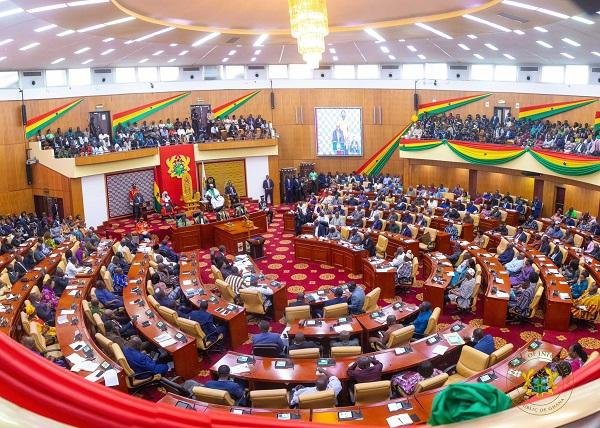
Bright Simons’ scathing critique of the government’s handling of the Ewoyaa lithium deal signifies the urgent need for the Ghanaian authorities to reconsider their position and renegotiate a more favorable agreement that truly serves the best interests of the nation and its citizens.
By dismissing the global price drop justification and exposing the legal and technical flaws in the government’s arguments, IMANI and its policy analysts are positioning themselves as ardent defenders of Ghana’s sovereignty over its strategic mineral resources.
Their call for a comprehensive and transparent approach to the negotiations aligns with the country’s long-term developmental aspirations and the principles of responsible resource governance.
While the debate over the Ewoyaa lithium deal continues, the voices of policy activists like Bright Simons will undoubtedly shape the national discourse and influence the ultimate outcome.
The stakes are high, and the decisions made today will have far-reaching implications for Ghana’s economic and environmental future.
READ ALSO: Ghana’s Cedi Emerges as the Calm in Africa’s Chaotic Currency Storm