Ghana’s energy sector has entered a period of renewed stability following months of uninterrupted electricity supply, a development the Ministry of Energy and Green Transition says is the result of deliberate reforms, strengthened coordination, and sustained investment across the power value chain.
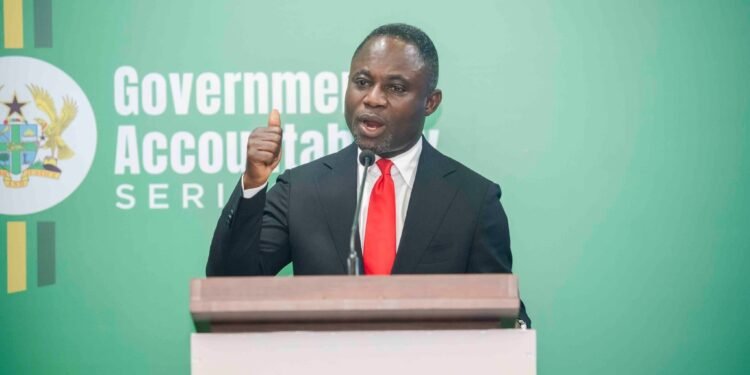
Deputy Minister for Energy and Green Transition, Hon. Richard Gyan Mensah, praised the turnaround, describing it as a clear sign that Ghana has moved past the severe disruptions that shook the country in late 2024.
“We experienced a 700 megawatt shortfall in December 2024 which resulted in nationwide load shedding.
“But government-led interventions across generation, transmission, distribution and financing have restored energy security and supported both economic and industrial growth.”
Hon. Richard Gyan Mensah, Deputy Minister for Energy and Green Transition

The Deputy Minister explained that the steps taken in the aftermath of the crisis were decisive and far-reaching, targeting systemic gaps that had built up over the years.
According to him, the uninterrupted power supply enjoyed in recent months is not coincidental but a direct outcome of focused sector restructuring.
Industry actors have been cautiously optimistic about Ghana’s power sector recovery, but Hon. Mensah insists the improvement is not temporary.


“Months of uninterrupted power supply signal a marked improvement from the instability we experienced last year.
“Through targeted reforms, the administration has restored energy security and supported economic and industrial growth.”
Hon. Richard Gyan Mensah, Deputy Minister for Energy and Green Transition
He reaffirmed that government intends to consolidate these gains, noting that consistent supply is essential for manufacturing, agriculture, services, and the broader economy.
He added that energy stability is also a prerequisite for sustaining investor confidence, particularly in emerging green industries.
Collaboration at the Heart of the Recovery
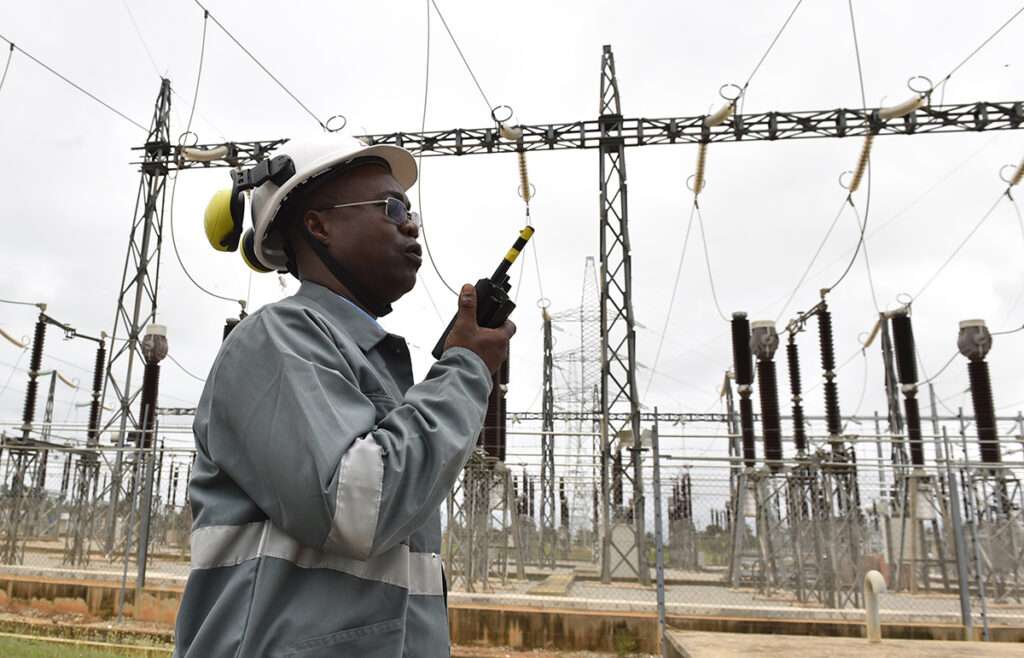
While outlining the reforms implemented, Hon. Mensah underscored that infrastructure alone does not keep a lights-on system running.
“Effective energy sector management goes beyond infrastructure.
“It requires the dedication of the professionals and investors driving its growth.”
Hon. Richard Gyan Mensah, Deputy Minister for Energy and Green Transition
He applauded utility workers, independent power producers, renewable energy developers, and financiers for contributing to the turnaround. Their collective effort, he noted, played a central role in what had become “a critical national challenge.”
A key pillar of the sector’s recovery is Ghana’s growing portfolio of renewable energy projects. Government highlighted several initiatives that have begun contributing significantly to the national grid.
Among them is the addition of more than 200 megawatts of solar power, a boost that helps reduce the country’s reliance on thermal generation and cuts exposure to volatile fuel supply and pricing.
The Ministry also confirmed progress on new mini-grid systems in Ada, extending reliable power to previously underserved communities. These systems are part of a broader rural electrification strategy aimed at ensuring inclusive energy access.
Furthermore, the rollout of smart solar streetlights nationwide is improving public lighting while lowering operational costs for local governments. Officials say the initiative has reduced maintenance costs and supported security and mobility in several communities.
Nuclear Development Advances Long-Term Energy Goals
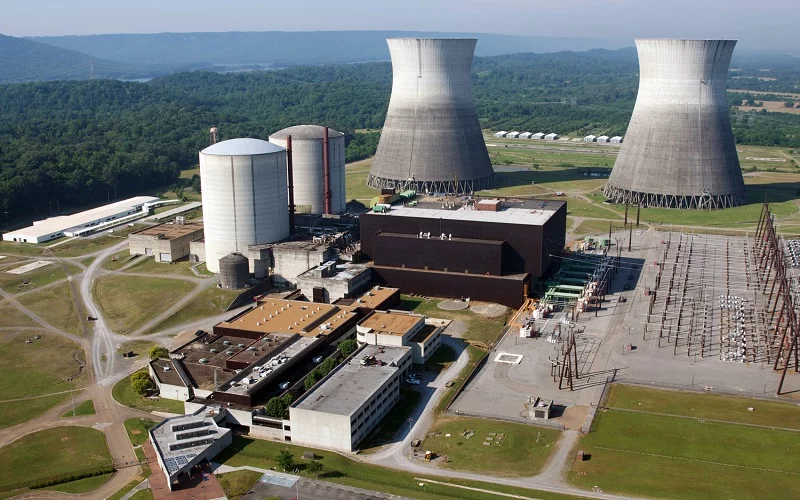
Beyond short-term stability measures, Hon. Mensah reiterated Ghana’s commitment to building a diversified, resilient energy future. He emphasized that long-term planning is essential if the country is to avoid cyclical shortages.
The Minister noted that steady progress is being made on Ghana’s nuclear energy development programme, an initiative the government sees as critical for guaranteeing baseload power at competitive cost.
According to him, nuclear power combined with solar, hydro, gas, and future green technologies will form the backbone of a secure and environmentally sustainable energy system.
As Ghana continues to stabilize its power sector, the Ministry insists that it will not lose sight of structural reforms needed to secure future reliability.
“The government remains committed to sustaining these gains while advancing long-term goals of energy security, economic stability and sustainable industrial expansion.”
Hon. Richard Gyan Mensah, Deputy Minister for Energy and Green Transition
The coming months will be crucial as the sector seeks to maintain momentum, attract investment, and ensure that the reforms translate into long-lasting stability for households and businesses.