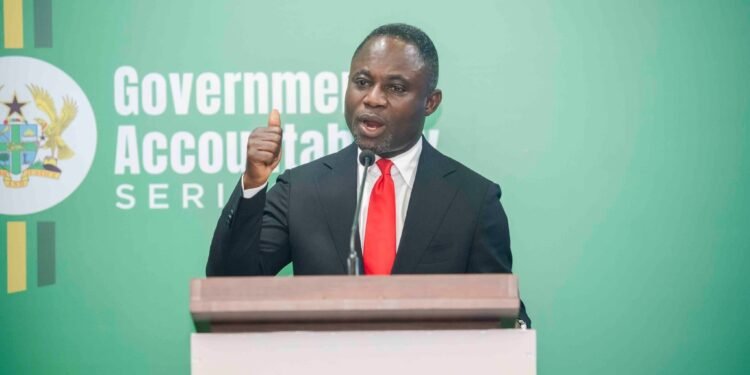
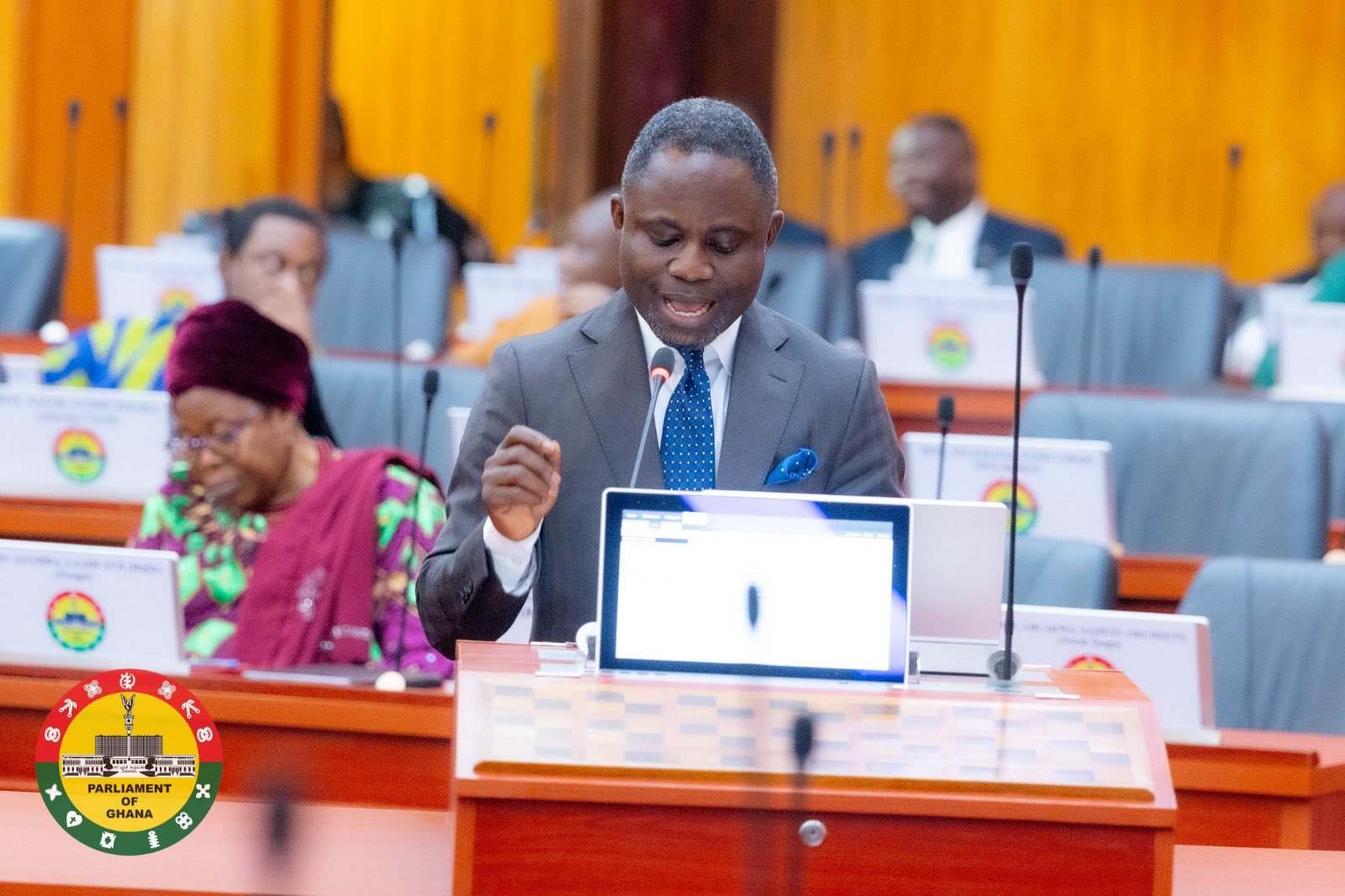
The Minister for Health, Kwabena Mintah Akandoh, has announced that the government has earmarked GHS 34 billion for the health sector in 2026, describing the allocation as one of the most people-centered and forward-looking investments in recent years.
Speaking on the details of the upcoming fiscal year, the Minister emphasized that the 2026 Budget reflects a renewed commitment to repositioning the health sector as a catalyst for national productivity and long-term economic growth.
“The 2026 budget is the most people-focused and health-centered budget I have seen in recent years. It aligns so well with the Resetting Agenda, and we all know we cannot have a productive country without paying attention to the health sector.”
Minister for Health, Kwabena Mintah Akandoh
He argued that there can be no prosperous nation without a strong and efficient health system, adding that President John Dramani Mahama considers equitable access to quality healthcare “a matter of right and not a privilege.”
Describing health investment as economically transformative, the Minister explained that global evidence shows that every dollar channeled into the health sector generates between two and nearly four dollars in returns.

This, he said, reinforces the government’s view that health expenditure should not be perceived as a financial burden but as a strategic investment in the country’s human capital and economic future.
“This year, the 2026 budget has seen some GHS 34 billion, and that is obviously about a 9.4% increase in the 2020–2023 budget,” Hon. Akandoh said. He added that the allocation represents more than 11% of the country’s total public expenditure for 2026, signaling the sector’s increasing importance in national planning.


GHS 11 Billion for NHIS
A significant portion of the allocation—approximately GHS 11 billion—has been dedicated to the National Health Insurance Scheme (NHIS). The Minister described the scheme as a central pillar in government’s efforts to ensure universal access to healthcare.
He noted, however, that when the current administration took office, the NHIS was confronted with persistent challenges, including a controversial capping policy, delays in the payment of claims, unrealistic tariff levels, and widespread co-payments demanded by providers.
Hon. Akandoh recalled that President Mahama, upon assuming office, issued a policy directive to uncap the National Health Insurance Fund as a first step toward revitalizing the scheme. This, he said, has improved the flow of funds and restored confidence in the NHIS.
“Gone were the days when you heard service providers shouting on top of their voices on the rooftop that they were going to withdraw services because they were not receiving payment, and this is no more the case as I speak to you now.”
Minister for Health, Kwabena Mintah Akandoh
He added—somewhat humorously—that the situation has improved to the point where officials of the National Health Insurance Authority (NHIA) sometimes have to call service providers to remind them to submit their claims for processing. This, he said, reflects a dramatic improvement in the scheme’s operational efficiency.
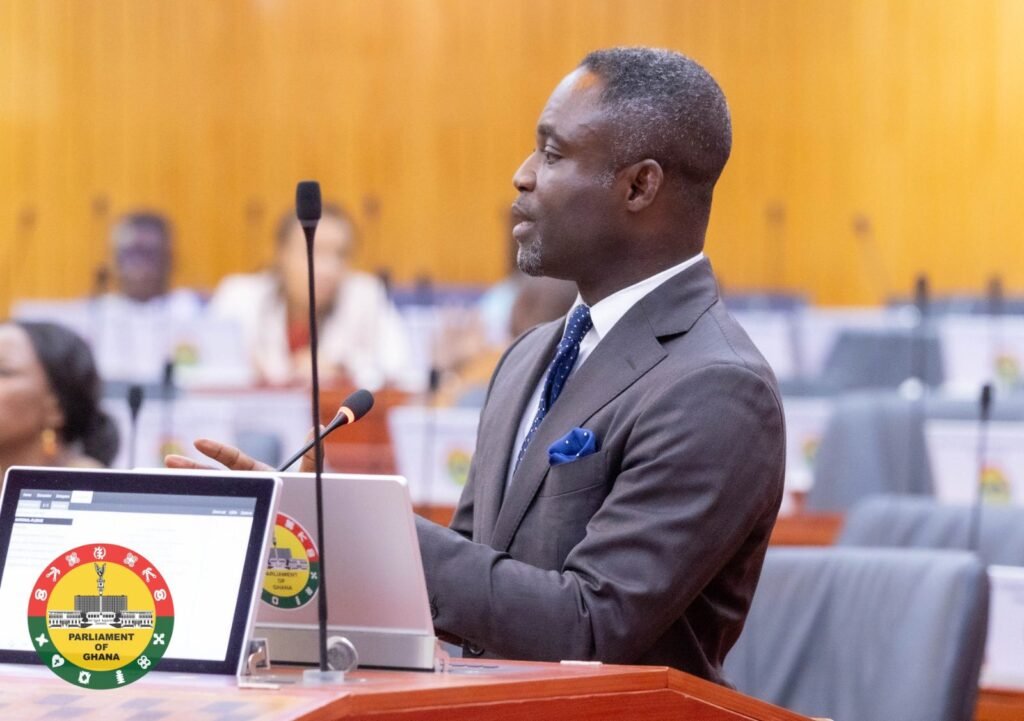
As a result of the reforms, the NHIS has recorded a growth in membership. When the government took office in January 2025, coverage stood at around 18 million people.
Within less than a year, the figure has risen to approximately 20 million, representing about 60% of the population. Hon. Akandoh framed this growth as evidence of renewed public trust in the scheme’s ability to deliver timely and quality health services.
120% Tariff Increase for Service Providers
In response to longstanding concerns raised by healthcare providers, the government has also moved to increase tariffs paid under the NHIS. The Minister acknowledged repeated complaints from service providers that existing tariffs were unrealistic and undermined service delivery.
“Beginning next year, we are going to increase the tariffs in the National Health Insurance to the service providers… the government has taken the decision to increase the tariffs by about 120% on average, and I believe this is going to be a game changer”.
Minister for Health, Kwabena Mintah Akandoh
Hon. Akandoh’s comments reflect a broader theme within the 2026 budget: strengthening the foundations of healthcare delivery while improving the financial sustainability of key health institutions.
The government’s approach includes expanding coverage, enhancing provider confidence, and ensuring that critical health sector reforms are backed by adequate resources.
By framing health investment as central to national development, the Minister signaled that the government intends to pursue a long-term transformation of the sector—one that views healthcare not merely as a social service but as an economic engine.
With the 2026 budget now pointing firmly toward expanded funding, increased insurance coverage, and major adjustments to provider tariffs, the government expects the sector to experience renewed growth and improved service delivery in the coming year.