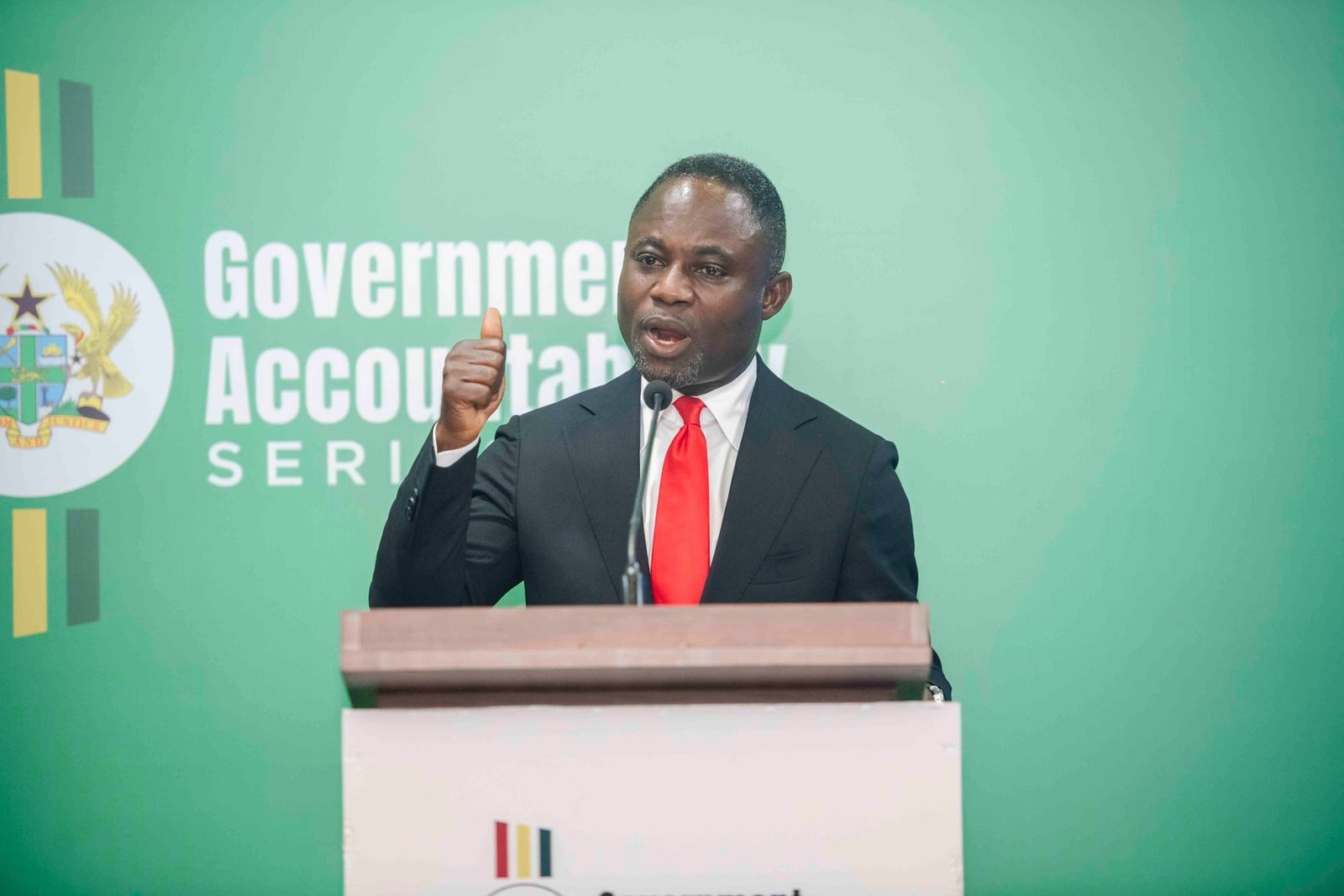
The Mahama government has announced what it described as the single largest capital commitment to health infrastructure in recent years, with a total of ₵2.04 billion earmarked in the 2026 Budget to expand, complete, and retool medical facilities across the country.
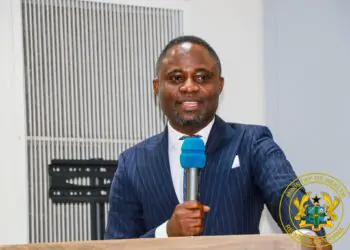
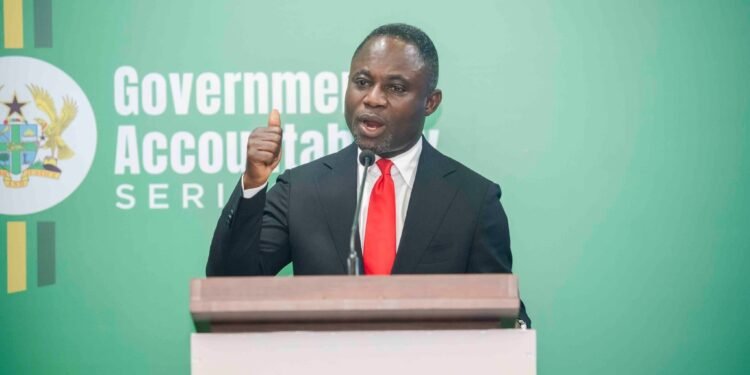
Minister for Health, Kwabena Mintah Akandoh, who disclosed the details at the Government Accountability Series, said the new investment marks a decisive turning point in efforts to strengthen Ghana’s healthcare system and correct longstanding regional inequities in access to quality care.
Providing a breakdown of the allocation, the Minister explained that the Government of Ghana’s direct capital expenditure amounts to ₵1.1 billion, with the total sector CAPEX standing at ₵2.04 billion. He said this unprecedented investment reflects President John Dramani Mahama’s resolve to place health infrastructure at the centre of national development priorities.
“We now have 16 regions. And so six out of the 16 regions have lived for the past seven years without any regional hospital,” he noted, describing the situation as a stark imbalance that demands urgent redress. According to him, the President’s earlier pledge to construct regional hospitals in underserved regions is finally taking full shape with dedicated budgetary backing.
“His Excellency promised the good people of this country that he was going to construct six regional hospitals in regions where there are none.
“Fortunately enough, in the 2026 budget, we are going to begin the construction of three regional hospitals, namely the Savannah region, the Oti region, and the Western North region. And some GHS 600 million has been allocated to that effect”.
Minister for Health, Kwabena Mintah Akandoh
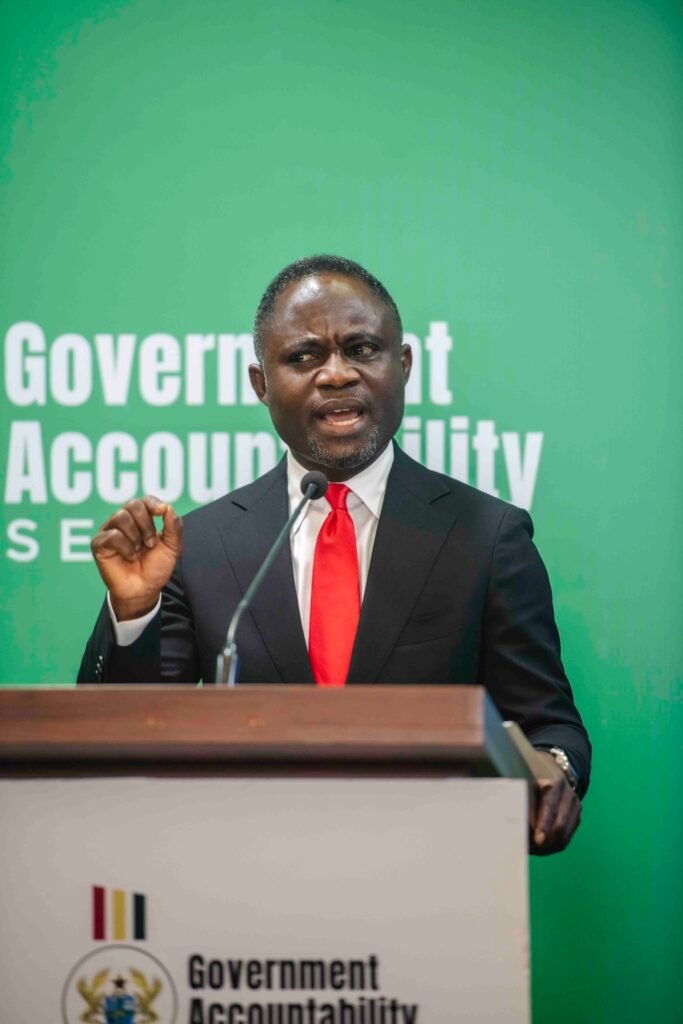
Hon. Akandoh insisted that his description of the 2026 Budget as “health-centered” was grounded in clear, measurable commitments. “When I say this budget is health-centered, I mean it, and I know exactly what I’m talking about,” he stated.
Completing Legacy Projects and Retooling of Equipment
Beyond the new projects, the Minister stressed that the era of abandoned health facilities was over. He explained that the President has instructed the Ministry to ensure continuity in all ongoing and stalled projects, including the La General Hospital, the Komfo Anokye Maternity Block, the Sewua Regional Hospital, various Agenda 111 sites, and numerous CHPS compounds across the country.


Each district, he reminded, is expected to construct not less than two CHPS facilities annually under the District Assembly Common Fund new formula approved by Cabinet—a goal that will cumulatively boost frontline healthcare delivery.
While infrastructure is essential, Hon. Akandoh cautioned that a health facility is only as functional as the personnel, equipment, and tools available to it. He described the current state of medical equipment in many facilities as deeply concerning.
“The status of medical equipment in our health facilities is very dire. The situation is very dire; the last time we did a major retooling in this country was His Excellency John Dramani Mahama’s first administration. Since then, our health facilities have been suffering.”
Minister for Health, Kwabena Mintah Akandoh
Citing internal reports, he pointed out that “more than 50% of our CHPS compounds do not have basic equipment,” a situation he said undermines the country’s push for effective universal healthcare.
As part of the roll-out of free primary healthcare next year, the government will embark on a nationwide retooling of primary health facilities. “We are going to retool our primary health facilities to have the basic equipment to be able to deliver, to give real meaning to free primary healthcare,” he said.
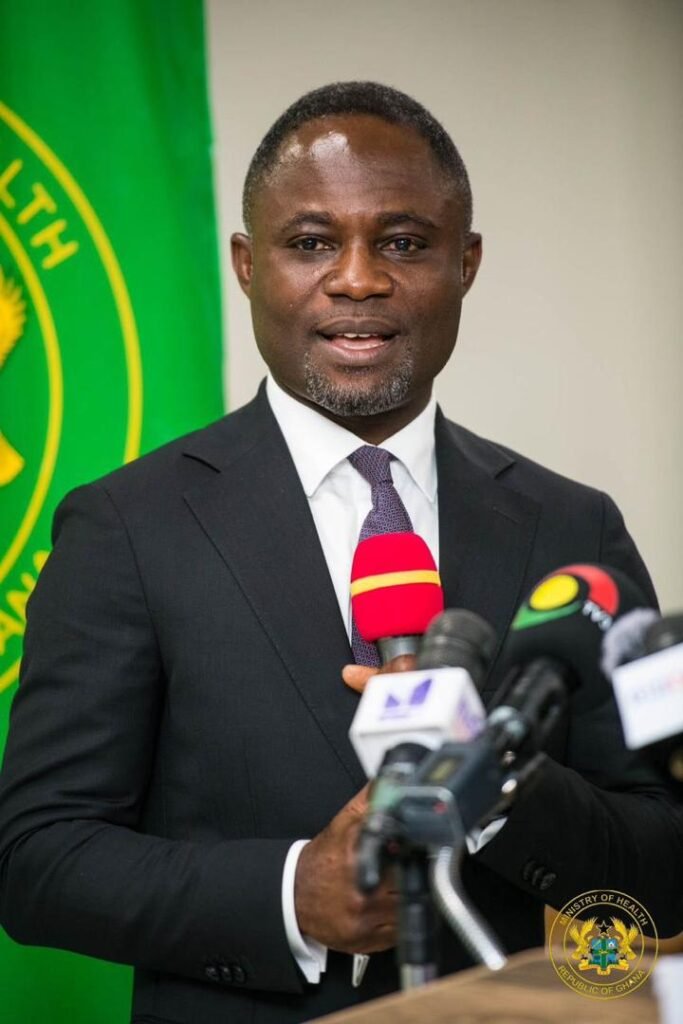
In an effort to strengthen tertiary healthcare capacity, the Ministry will also establish three categorization centres at Korle-Bu Teaching Hospital, Komfo Anokye Teaching Hospital, and Tamale Teaching Hospital. These centres will support diagnostics, research, and advanced care.
In addition, the government will procure a DNA testing machine for the Noguchi Memorial Institute for Medical Research—equipment Hon. Akandoh stressed is purely for scientific and medical purposes.
“The last time I said that, I saw a lot of infographics about me suggesting that I was going to insist on a compulsive paternity test. I’m sorry, that was not coming from me. So you must disregard that”.
Minister for Health, Kwabena Mintah Akandoh
Addressing the growing burden of non-communicable diseases (NCDs), the Minister said the Mahama Cares initiative will support teaching and regional hospitals to enhance their capacity for NCD treatment. Under the programme, the government is placing strong emphasis on multi-source health financing, ensuring adequate funding streams for expanded care.
Private Sector Role in Hospital Retooling
Hon. Akandoh further highlighted the central role of the private sector in the upcoming health infrastructure drive. According to him, the government cannot single-handedly shoulder the burden of equipment provision.
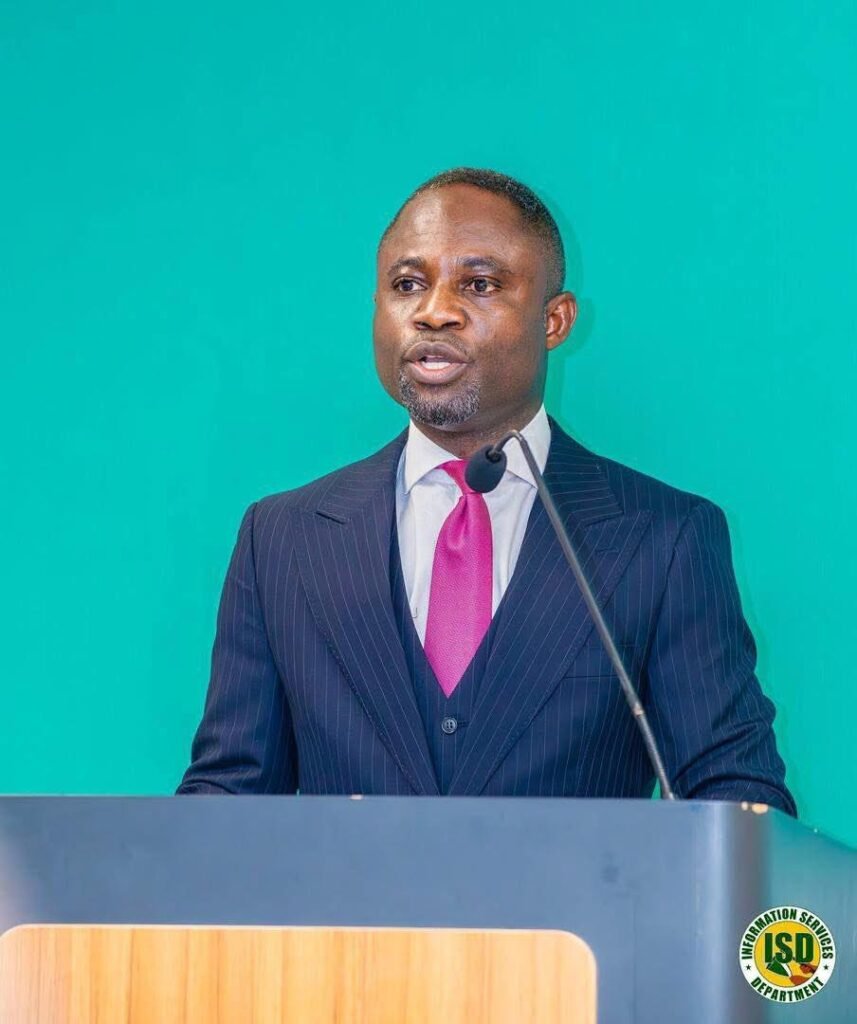
“We have brought the private sector in because the government cannot do it all alone. We’ll be looking at the private sector bringing their equipment to the health facilities, and they’ll be paid… either by the National Health Insurance Scheme or by Mahama Cares”.
Minister for Health, Kwabena Mintah Akandoh
He stressed that Ghana now operates “more than one health financing scheme,” allowing flexibility and sustained investment across the health sector.
With the combination of new construction, project completion, retooling, NCD-focused interventions, and expanded partnerships, the Minister expressed confidence that the health sector is entering a new phase of renewal driven by deliberate and well-funded policy action.
READ ALSO: Ghana Secures US$71.25m Grant from AfDB to Support GWYESCO