The World Health Organization (WHO) has sounded a renewed call for urgency in combating HIV across the South-East Asia Region, warning that millions continue to face elevated health risks despite notable progress over the past decade.
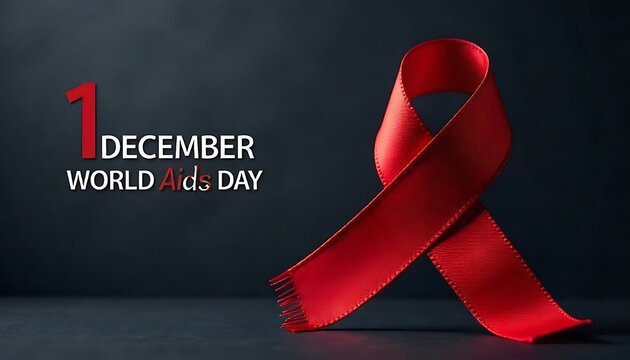
Marking World AIDS Day 2025, the agency emphasised the need to “overcome disruption” and “transform the AIDS response” to stay on track for global elimination targets.
Dr. Catharina Boehme, Officer-in-Charge for WHO South-East Asia, outlined the scale of the challenge in a statement that underscores both achievements and persistent gaps.
According to her, 3.5 million people in the region currently live with HIV, with thousands more newly affected each year across communities and vulnerable populations.
“Across the WHO South-East Asia Region, the burden of HIV remains substantial,” she said, noting that 88,000 new infections were recorded last year alongside approximately 50,000 deaths related to HIV. The picture becomes even more complex when intertwined health issues are considered.
“These challenges are compounded by 42 million people living with hepatitis B, seven million with hepatitis C, and 60 million with sexually transmitted infections.”
Dr. Catharina Boehme, Officer-in-Charge for WHO South-East Asia
Throughout the region, the HIV epidemic continues to hit marginalised communities hardest. Dr. Boehme stressed that men who have sex with men, people who inject drugs, transgender individuals, and sex workers remain significantly more vulnerable than the general population.


She highlighted that young people, particularly those aged 15 to 24, account for nearly a quarter of new infections in the broader Asia-Pacific region, a trend she described as deeply concerning.
Progress Achieved but Targets Still Out of Reach

WHO’s assessment shows the region has made commendable gains, especially in treatment access. Dr. Boehme noted that antiretroviral treatment coverage has helped reduce HIV-related deaths by 62% from 2015 to 2024, while new infections have declined by 32% during the same period.
Currently, 85% of people living with HIV know their status, 74% are receiving treatment, and 72% have achieved viral suppression.
While these figures mark important advancements, Dr. Boehme emphasised that they still fall short of the global 95-95-95 targets set for 2030.
“While encouraging, they remain short of the global ‘95-95-95’ goal to end AIDS by 2030,” she said. Gaps remain particularly visible in maternal and child health outcomes.
“While 88% of the 26,000 pregnant women living with HIV received antiretroviral drugs to prevent mother-to-child transmission in the region, variations in national coverage ranged from 71% to more than 98%.
“Similarly, 93% of the 69,000 children living with HIV are receiving antiretroviral drugs regionally, yet treatment coverage varies among countries from 67% to 98%.”
Dr. Catharina Boehme, Officer-in-Charge for WHO South-East Asia
Despite the challenges, WHO highlighted an important milestone. In October, the Maldives became the first country in the world to be validated for Triple Elimination of mother-to-child transmission of HIV, syphilis, and hepatitis B.
Dr. Boehme praised the achievement as proof that integrated, multi-disease elimination is “both feasible and achievable” when systems are well-structured and consistently funded.
Six Strategic Priorities to Accelerate Progress
Looking ahead, Dr. Boehme stressed that sustained investment is essential for maintaining momentum. She called on countries to prioritise six strategic action areas designed to strengthen health systems, expand access, and close remaining gaps.
She urged countries to accelerate the 95-95-95 cascade, expanding community and self-testing, same-day treatment initiation, and multi-month medication refills to reduce clinic burden.
Strengthening viral-load monitoring and improving treatment retention through digital tools were also highlighted as key steps.
Integration of maternal health services remains another priority. “Ensure triple screening for HIV, syphilis, viral hepatitis B and C is integrated within antenatal care,” she said, adding that timely vaccinations, full treatment schedules, and follow-up of exposed infants are critical to lasting success.
Dr. Boehme also called for equitable rollout of new prevention tools, including innovations such as lenacapavir, and emphasised the importance of robust digital health systems, responsible AI use, and predictive analytics to anticipate service gaps.
Community Empowerment and Rights Protection at the Core
WHO underscored the role of communities in the AIDS response, urging governments to remove legal and social barriers that fuel stigma and deter vulnerable groups from seeking care.
According to Dr. Boehme, countries must “address stigma, discrimination and punitive laws that impede access,” and ensure communities are fully involved in programme design and monitoring.
Reaffirming WHO’s commitment to supporting Member States, Dr. Boehme said the organisation will continue working to help countries “close the remaining gaps, expand innovations, and strengthen health systems.”
“Let us resolve to overcome disruptions, transform our response with innovation, and ensure that no one, particularly the most vulnerable is left behind.”
Dr. Catharina Boehme, Officer-in-Charge for WHO South-East Asia
As countries across the WHO South-East Asia Region confront the persistent challenges of HIV, hepatitis, and other STIs, Dr. Boehme’s message on World AIDS Day 2025 underscores a clear path forward: accelerate innovation, close treatment gaps, and centre communities in the response.
READ ALSO: Ghana’s Proposed Takeover of Springfield’s WCTP-2 Block Raises Hopes and Risks for Upstream Sector