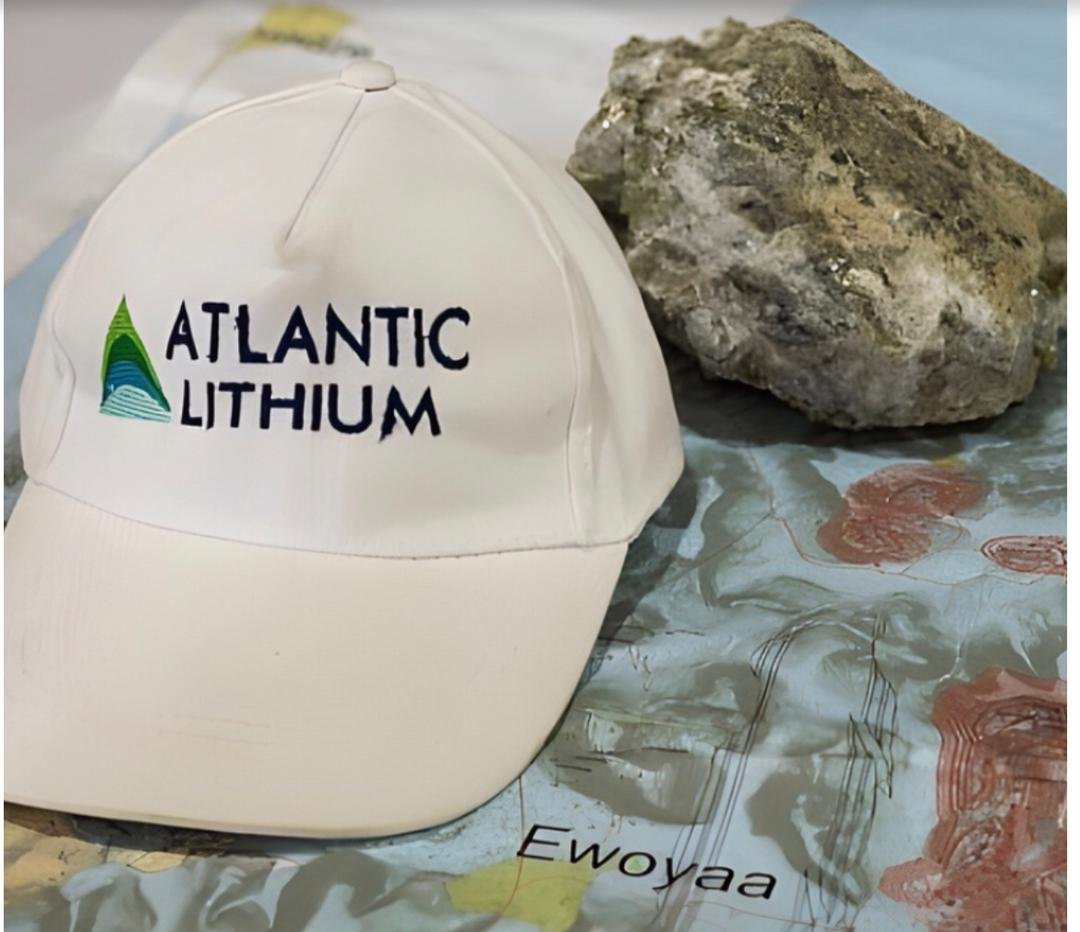
Franklin Cudjoe, the Founding President and Chief Executive Officer of IMANI Centre for Policy and Education, has described the controversial revised Ewoyaa Lithium lease deal as an “unpatriotic arrangement” that weakens the country’s sovereignty and long-term fiscal value.
Cudjoe’s incisive analysis lays bare the legal and economic fallacies he believes underpin the controversial agreement, setting the stage for a heated debate over the future of Ghana’s lucrative lithium resources.
“The revised 2025 lithium lease weakens Ghana’s sovereignty and long-term fiscal value. It is an unpatriotic arrangement that must fall.”
Franklin Cudjoe
Being a leading think tank in Ghana, IMANI has long been a vocal advocate for policies that serve the nation’s best interests.
Franklin Cudjoe’s latest critique of the lithium lease deal underscores the organization’s commitment to holding the government accountable and ensuring that Ghana secures the maximum benefits from its mineral wealth.
His assertion sets the tone for a comprehensive examination of the agreement’s shortcomings.
Legal and Constitutional Fallacies

Franklin Cudjoe also dissected the legal and constitutional aspects of the lithium lease, challenging the notion that a 5% royalty rate is a legal cap.


The IMANI boss argues that Parliament has the constitutional powers to ratify higher royalty rates, and the Minister of Lands and Natural Resources can choose to peg the rate at 10% through subsidiary legislation.
“The fact that some minerals and/or agreements have in the past attracted a certain royalty rate does not tie the Minister’s hands in negotiating better terms. Because of the energy transition, minerals like lithium are being treated differently in almost every country.”
Franklin Cudjoe
Franklin Cudjoe’s explanation underscores the need for a more dynamic and adaptable approach to mineral resource governance.
Economic Misrepresentation
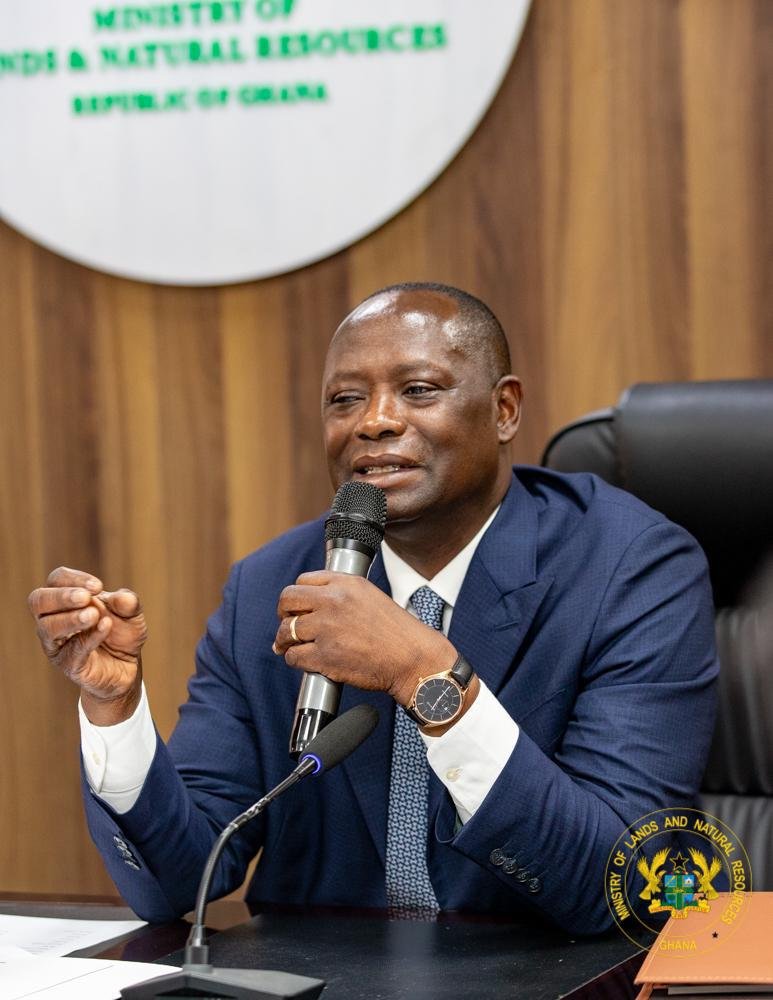
He also extends his critique to the economic aspects of the lithium lease, challenging the investors’ financial models and their profitability claims. Franklin argued that the original financial model was “wildly profitable,” with a payback period of just 19 months, even when lithium prices were lower than the current market rates.
“The royalty cut transfers millions of dollars to the investors annually. Money that should be going to Ghana,” Cudjoe stated, highlighting the significant financial implications of the reduced royalty rate.
The IMANI boss further questioned the investors’ suitability as strategic partners for Ghana, suggesting that if they are struggling to raise money despite the favorable terms, the issue may lie with their own capabilities rather than the lease agreement itself.
Role of IMANI and the Ongoing Controversy

Being a leading think tank in Ghana, IMANI has long been involved in shaping national policies, including those related to the extractive industries.
Franklin Cudjoe’s intervention in the Ewoyaa Lithium Deal controversy underscores the organization’s commitment to ensuring that Ghana’s mineral resources are managed in a manner that truly benefits the nation and its people.
The ongoing debate surrounding the lithium lease agreement has been marked by a complex web of political, economic, and legal considerations.
Franklin Cudjoe’s scathing critique, which challenges the very foundations of the revised deal, is likely to add fuel to the fire, amplifying the voices of those who believe that Ghana must secure the best possible terms for its valuable resources.
While the government navigates the complexities of the Ewoyaa Lithium Deal, the opinions and analysis of respected institutions like IMANI will undoubtedly carry significant weight.
Franklin Cudjoe’s assertion that the current arrangement is an “unpatriotic arrangement that must fall” sets the stage for a pivotal moment in Ghana’s mineral resource governance, one that will shape the country’s economic and environmental future for generations to come.
READ MORE: Ghana’s Proposed Takeover of Springfield’s WCTP-2 Block Raises Hopes and Risks for Upstream Sector