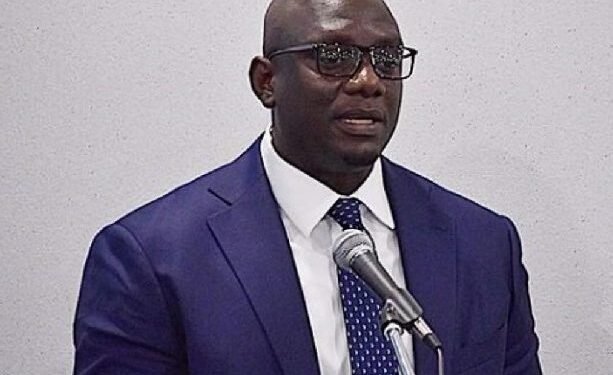
Policy analyst and technology expert, Sitsofe Mensah, has urged lawmakers to reject the revised 2025 lithium lease agreement, which he deemed an “unpatriotic” and “fiscally reckless” deal that undermines the country’s sovereignty.
Sitsofe in an open letter to the Parliament called on the lawmakers to put the interest of the country and do the needful by reconsidering the revised agreement which is currently pegged at 5% from 10% royalties.
Being a respected voice in the realm of policy, Sitsofe Mensah’s intervention underscores the growing chorus of concern from civil society and experts who believe that Ghana must secure the best possible terms for its valuable lithium resources.
The policy analyst’s open letter serves as a clarion call to the Members of Parliament, challenging them to uphold their duty to the Ghanaian people and reject the revised agreement in its current form.
“You stand today at a crossroad that will define the economic destiny of our country for the next generation. The revised Lithium Lease Agreement before you is not merely a contract; it is a test of your fidelity to the Ghanaian people.”
Sitsofe Mensah
Debunking the “Legal Cap” Myth
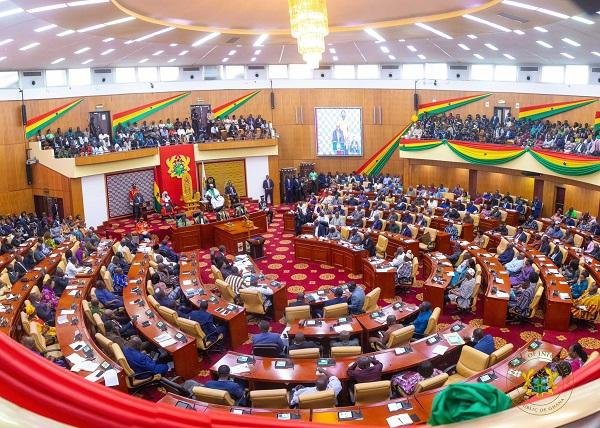
The policy analyst’s open letter begins by addressing the often-cited claim that a 5% royalty rate is the legal limit, a notion he categorically rejects.
He in contrast, argued that Parliament possesses the constitutional authority to ratify agreements with terms superior to the minimums set in standard acts, underscoring the lawmakers’ role as lawmakers, not mere rubber stamps.


“Your Power: Parliament possesses the constitutional authority to ratify agreements with terms superior to the minimums set in standard acts. You are lawmakers, not rubber stamps,” Mensah wrote, challenging the narrative that the government’s hands are tied by the existing legal framework.
Comparing Ghana’s Terms to Global Benchmarks
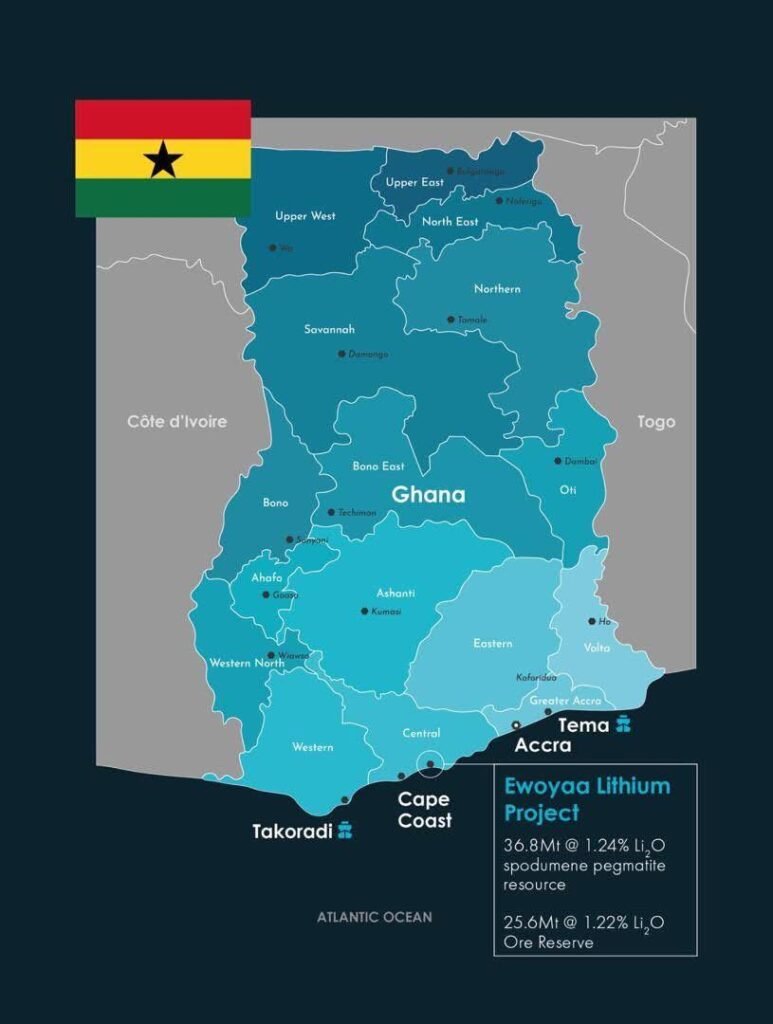
Sitsofe Mensah’s critique extends to a comparison of Ghana’s negotiated terms with those secured by its global peers, a comparison that he believes demonstrates the country’s willingness to “sell itself short.”
The policy analyst cited the examples of Chile and Zimbabwe, where governments have secured more favorable deals that capture the true value of their lithium resources.
“While Ghana settles for crumbs, our peers are securing feasts,” Mensah asserted, highlighting the stark contrast between Ghana’s “scoping study” requirement for local refining and the bolder moves made by other nations to drive value-addition and job creation within their borders.
Profitability of the Lithium Project
Sitsofe Mensah’s open letter also takes issue with the narrative that the current low lithium prices necessitate a suboptimal agreement, arguing that the project’s profitability remains robust even at current market rates.
The policy analyst cites the investor’s own data, which shows a production cost of approximately $610 per tonne and a healthy profit margin of around 39% at current prices.
According to him, “A project that pays for itself in under two years does not need a tax break from a country struggling to fund its own schools and hospitals“.
Role of Advocates and Policy Analysts
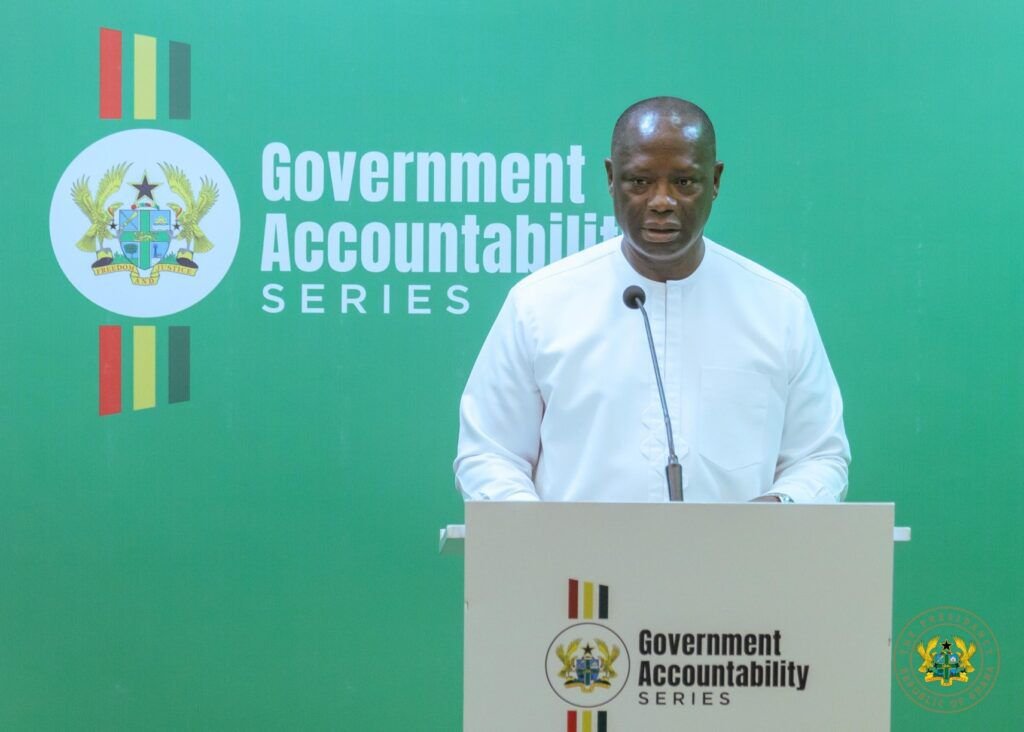
Sitsofe Mensah’s intervention in the Ewoyaa Lithium Deal controversy highlights the critical role that advocates and policy analysts play in shaping national policies and safeguarding the interests of the nation and its people.
Being a respected voice in the realm of technology and policy, Mensah’s open letter carries significant weight, amplifying the concerns raised by other experts and civil society groups.
These advocates and analysts serve as a vital counterbalance to the political and economic forces that often dominate the decision-making process.
By bringing a wealth of knowledge, data, and principled arguments to the table, they challenge the government to uphold its fiduciary duty to the nation and its citizens.
Mensah’s call for Parliament to “demand respect for Ghana” underscores the high stakes involved in the Ewoyaa Lithium Deal.
While the lawmakers deliberate on the revised agreement, the input and scrutiny of advocates like Mensah will undoubtedly shape the discourse and, potentially, the final outcome – a testament to the power of civic engagement in shaping the nation’s economic future.
READ ALSO : World Economy in Danger as Policy Buffers Run Dry – IMF Issues Stark Warning