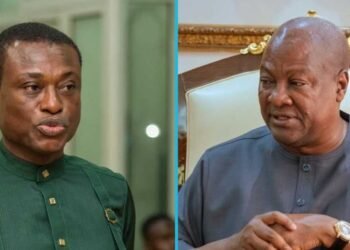
Ghana is set to introduce a landmark policy that will make education free for all persons with special needs beginning January 1, 2026, following a formal declaration to be made by President John Dramani Mahama.
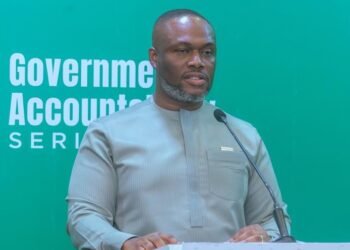
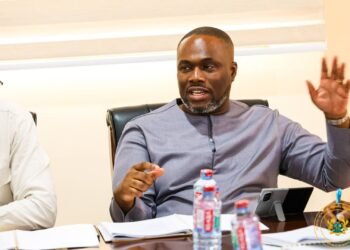
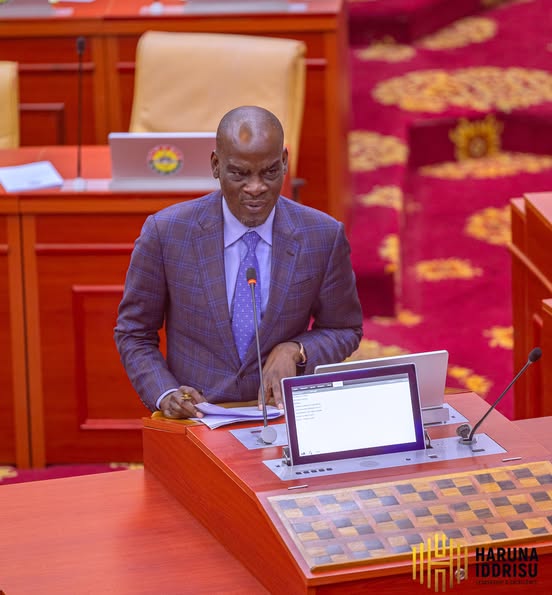
The announcement was made in Parliament by Minister for Education and Member of Parliament for Tamale South, Hon. Haruna Iddrisu, during the commemoration of the International Day for Persons with Disabilities.
Hon. Iddrisu delivered his remarks after commending the maker of the statement, MP for Ablekuma North Hon. Ewurabena Aubin, for drawing national attention to the continuing struggles of persons with disabilities and for reminding Parliament of Ghana’s international commitments to disability rights.
“There was a meeting in Doha, the World Summit on Social Development, where these issues were further discussed. What we need is a just, inclusive, and equitable world. Even in Ghana, persons with disability still face significant challenges and obstacles”.
Minister for Education and Member of Parliament for Tamale South, Hon. Haruna Iddrisu
The Minister praised the acknowledgement of President Mahama’s efforts so far, particularly the provision of free tertiary education for persons with disabilities. Hon. Iddrisu disclosed that the government intends to expand this commitment significantly.

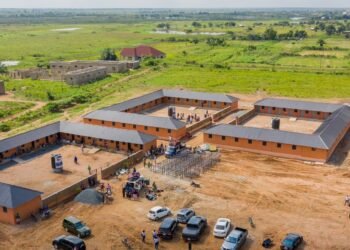
Sharing an experience from a recent visit to a school for visually impaired learners in the Akuapem area, he stated that the administration was ready for a decisive shift.
“I was in Akuapem three weeks ago, where we visited the special needs school of visually impaired persons, and I’m happy to note that from the 1st of January 2026, President Mahama will make a formal declaration declaring education for all persons with special needs free in Ghana.
“And we want that to be an enduring legacy and to reach out to them as very marginalised, deprived people.”
Minister for Education and Member of Parliament for Tamale South, Hon. Haruna Iddrisu
Currently, Ghana has about 39 special needs and integrated schools distributed across several regions, including Ashanti and Volta. Haruna Iddrisu revealed that students in these institutions survive on a daily allowance of only eight Ghana cedis, an amount the government will increase to fifteen cedis.


According to him, this change is part of a broader reform, which includes an amendment to the GETFund Act that he is presenting to Parliament. “Part of the amendment is to declare special needs education free in Ghana,” he said, adding that the Fund will be required to allocate between 65 million and 100 million cedis every other year strictly for feeding students in special needs institutions.
Provision of Critical Assistive Devices
He further highlighted another major component of the initiative: providing critical assistive devices. “Those who are unable to hear, there are devices that can aid hearing. We will also provide that for them,” he said, noting that Ghana must match global standards of support for persons with disabilities by ensuring they have the tools needed for effective learning.
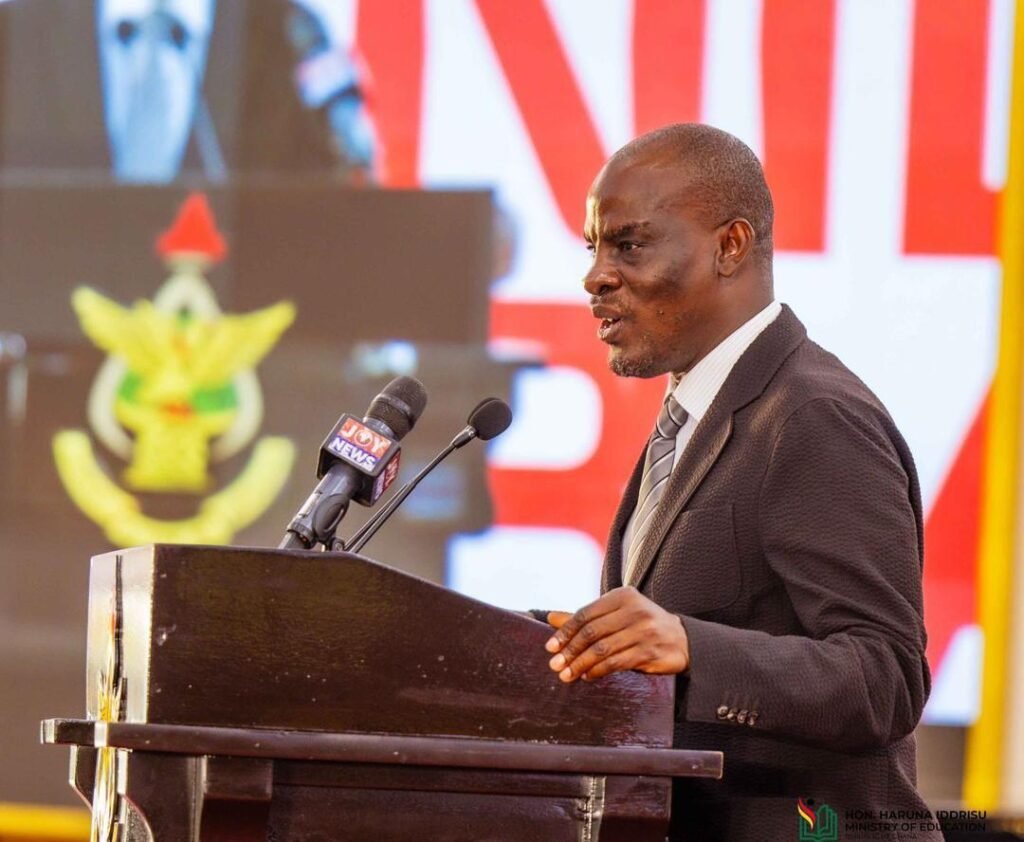
The Minister also revealed that President Mahama has directed an increase in the allocation from the District Assemblies Common Fund for persons with disabilities—from 3 percent to 5 percent.
He stressed that these funds must be disbursed and utilized at the local level with oversight from the Federation of Disabled People, in line with the President’s commitment to strengthening their agency and access to resources.
While commending his colleague once more, Hon. Iddrisu urged Parliament to look inward and commit to stronger reforms that make public institutions accessible to all citizens, especially those living with disabilities. He warned that many public buildings remain structurally unfriendly to persons with disabilities, including Parliament itself.
“There are many institutions in Ghana which are still disability unfriendly. They have not been able to adjust their institutional infrastructure, probably, Mr. Speaker, even including Parliament. How does a disabled person climb the stairs up here?”
Minister for Education and Member of Parliament for Tamale South, Hon. Haruna Iddrisu
The Minister concluded by reiterating the government’s determination to correct historical inequities and guarantee persons with disabilities an educational system that is fair, accessible, and adequately resourced. The commitment to provide free education for all persons with special needs marks a decisive moment in Ghana’s pursuit of an inclusive educational future
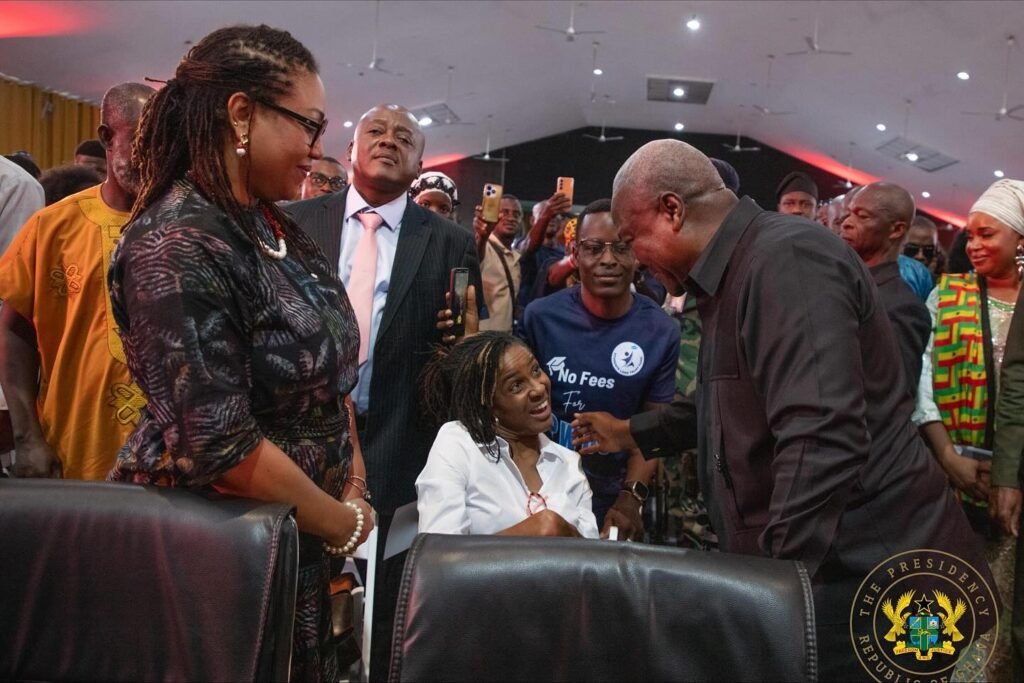
As policymakers, educators, and advocacy groups rally behind the initiative, the policy signals a shift toward equity-driven development and a recognition that national progress must reflect the participation of every learner.
If effectively implemented, the programme could become one of the country’s most transformative social interventions, reshaping opportunities for thousands of children and adults who have long been marginalized within the educational system.
With the anticipated declaration on January 1, 2026, Ghana edges closer to realizing a more inclusive society in which no citizen is left behind because of disability.
READ ALSO: Historic Win for Ghanaian Economy as Inflation Crashes to 6.3%, Lowest in Four Years