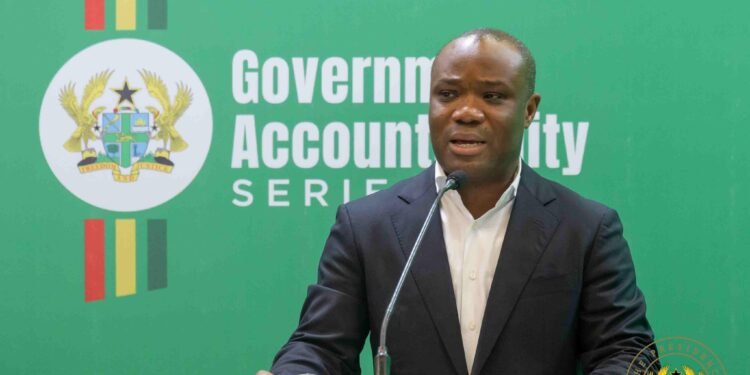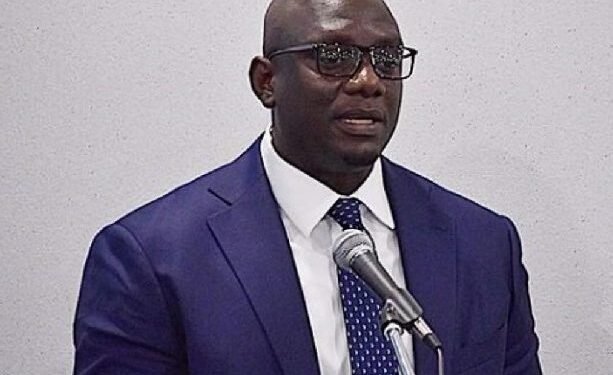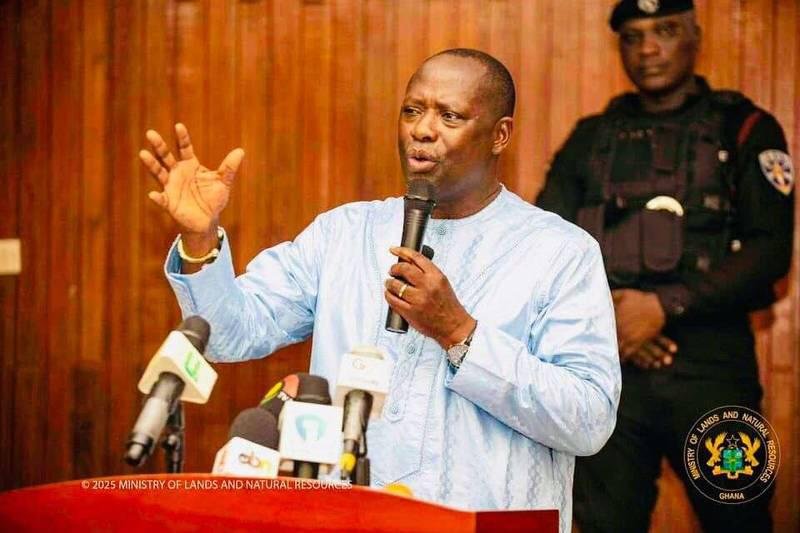
Hon. Emmanuel Armah-Kofi Buah, Minister responsible for Lands and Natural Resources, has revealed that the government is in the process of introducing a new comprehensive instrument to guide the determination of royalties across the mining sector.
The minister’s announcement comes amidst heightened public discourse on the need for transparency, fairness, and strict adherence to the laws governing Ghana’s mineral resources.
Civil society organizations, traditional leaders, and the Ghanaian public have been vocal in their demands that the nation’s mineral wealth, including the Ewoyaa Lithium project, must be managed in a way that truly benefits the people of Ghana.
“I’m very happy to inform you that we’ve worked closely with the Attorney General. We’ll be coming to you, once we finish at cabinet, we’ll be coming to Parliament with a new instrument that will permanently lay a complete comprehensive guideline on royalties, not only in the lithium sector, but in all minerals.“
Hon. Emmanuel Armah-Kofi Buah
“It is important that we provide some clarity on the government’s position, particularly concerning the royalties for this lithium agreement,” the minister further stated, emphasizing the government’s commitment to addressing the concerns raised by various stakeholders.
The minister also delved into the history of Ghana’s mineral royalties, explaining that the current 5% rate was amended from 3%.
According to Hon. Armah Kofi-Buah, the 3% “was amended and it was stated that royalty will be at 5 percent”. He also added that there “was another amendment that says that the royalties will be by an act as applicable by law”.


New Royalty Instrument

The minister’s remarks indicated that the government recognized the need for a more comprehensive and transparent approach to the management of Ghana’s mineral resources, including the determination of royalty rates.
By acknowledging the shortcomings in the current legal framework, the minister signaled the government’s intention to address these issues through the introduction of a new instrument.
The proposed instrument, which the minister hinted will be presented to Parliament after the Cabinet’s approval, is expected to provide a clear and comprehensive guideline on royalties across the country’s mineral sector. This move is a significant step in ensuring that the country’s mineral wealth is managed in a manner that truly benefits the citizens.
The minister’s emphasis on the need to “permanently lay a complete comprehensive guideline on royalties” also underscores the government’s commitment to learning from past experiences and ensuring that the new instrument addresses the shortcomings of the previous amendments.
By incorporating lessons learned, the government aims to create a more robust and adaptable framework that can effectively manage the fluctuations in global commodity prices, as witnessed in the gold market.
Complexities of Mineral Resource Management
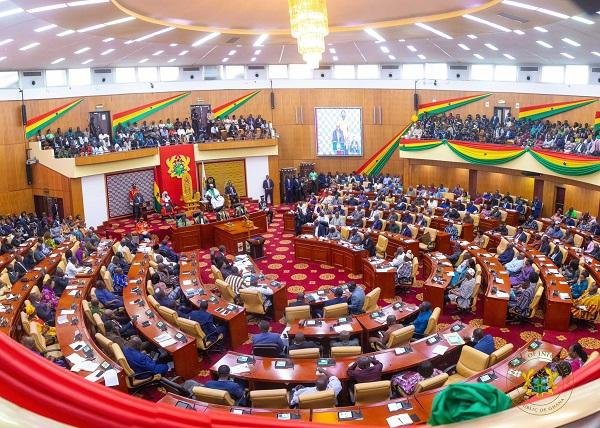
The introduction of the new royalty instrument is a critical component in the government’s efforts to address the concerns raised by various stakeholders regarding the management of Ghana’s mineral resources, particularly the Ewoyaa Lithium project.
By working closely with the Attorney General’s office and engaging with Parliament, the ministry is demonstrating its willingness to adopt a collaborative approach by engaging the appropriate stakeholders to finding solutions that align with the interests of the Ghanaian people.
This inclusive process is crucial in building trust and ensuring that the new instrument is widely accepted and upheld.
While the nation grapples with the challenges and opportunities presented by its mineral wealth, the government’s decision to introduce a comprehensive royalty instrument represents a significant step towards ensuring transparency, fairness, and strict adherence to the laws governing the sector.
This move will further shape the future of Ghana’s mineral resource management, paving the way for a more equitable and sustainable development of the country’s mineral wealth.
READ ALSO: Historic Win for Ghanaian Economy as Inflation Crashes to 6.3%, Lowest in Four Years