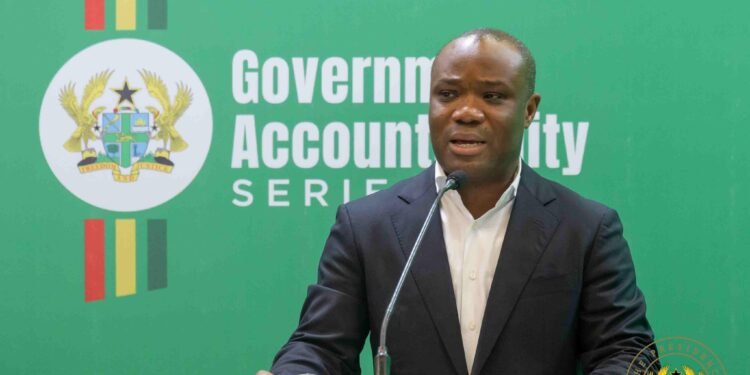
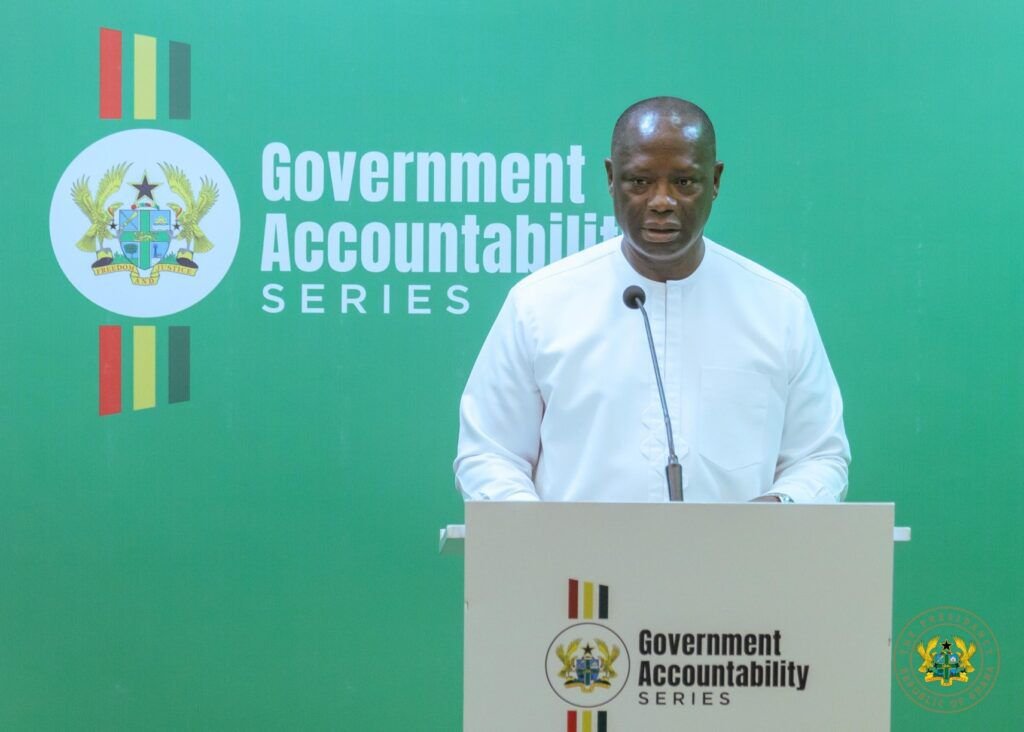
Minister of Lands and Natural Resources, Hon. Emmanuel Armah-Kofi Buah, has vowed to adopt what he described as a “beneficial approach” in the ongoing lithium agreement negotiations to maximize the country’s benefits.
The minister’s remarks, delivered during a press conference in Accra, signal a shift in the government’s strategy to safeguard the interests of the Ghanaian people.
The minister’s bold move to ensure that Ghana reaps the maximum benefits from its lithium resources comes at a critical juncture, when the country is grappling with the complexities of the lithium deal and the accompanying political tensions.
Amidst concerns over the initial 10% royalty agreement, which was deemed to have violated Ghana’s laws, the government has sought to revise the terms, aligning the royalty rate with the legal 5% requirement.
“I can tell you that what the status quo we are doing here is going to probably ensure using a more beneficial approach because we foresee, for example, that at $3,000, we are not only going to achieve the 10% royalty as has been negotiated, but we are also putting in the cases that when the prices go beyond $3,000, we’ll go beyond 10% and we’ll go to 11% and all this.”
Hon. Emmanuel Armah-Kofi Buah
According to the minister, the move underscores the government’s commitment to extracting a fair share of the value from the lithium reserves.
Maximizing Lithium Benefits
The minister’s remarks underscore the government’s recognition of the need for a comprehensive, multifaceted approach to the lithium deal.


Rather than simply focusing on the royalty rates, the administration is seeking to adopt a more strategic, long-term perspective that prioritizes the overall value creation for the Ghanaian people.
Hon. Armah-Kofi Buah emphasized the government’s responsibility to protect the interests of the republic, stating, “This government will not shortchange the people of Ghana.”
The minister’s pledge to work closely with members of Parliament to ensure that the “new instrument will really kick in before any approval of the Lithium Agreement” reflects the administration’s commitment to achieving a consensus and maximizing the benefits for the nation.
Controversial Lithium Agreement and the Role of the Ministry
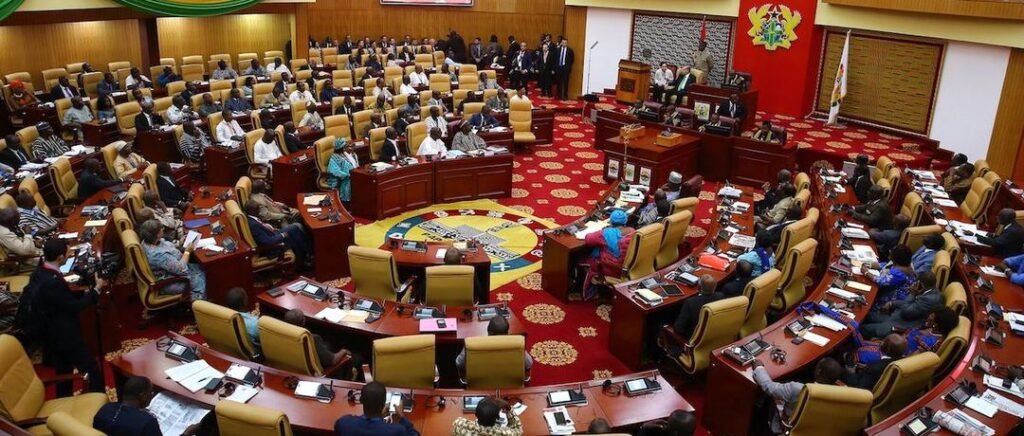
The lithium agreement has been the subject of intense scrutiny and debate, with various stakeholders, including Civil Society Organizations (CSOs) and members of Parliament, raising concerns over the initial terms of the deal.
The controversy centered around the royalty rates, with many arguing that the 10% agreement violated Ghana’s legal framework, which sets the rate at 5%.
The Ministry of Lands and Natural Resources played a pivotal role in navigating these complexities, engaging with all relevant parties to find a mutually acceptable solution.
The minister’s assertion that he has “chatted with all of them” and that the government is “working together with them to ensure that my new instrument will really kick in before any approval of the Lithium Agreement” underscores the ministry’s efforts to foster a collaborative approach.
This collaborative effort is crucial in ensuring that the lithium agreement serves the best interests of the country and its people.
By adopting a more “beneficial approach” that considers not only the royalty rates but also the long-term value creation potential, the government aims to maximize the country’s lithium wealth and secure a fair share of the benefits for its citizens.
While the negotiations continue, the minister’s unwavering commitment to protecting the nation’s interests and his promise to “make sure that the people of Ghana and Ghana really get value for money and the resources that God has in all this” will undoubtedly shape the outcome of the lithium deal, setting a precedent for the management of Ghana’s natural resources.
READ ALSO: Ghana’s Proposed Takeover of Springfield’s WCTP-2 Block Raises Hopes and Risks for Upstream Sector