The Ghanaian economy has been known to have several frictions that oppose consistent growth, and experts ponder the right policy instruments to propel Ghana to sustained growth.
This comes on the heels of growth fluctuations within short periods in Ghana, where policy initiatives are introduced and hailed by Ghanaians and policy experts alike, yet fail in the long term. Comparing structural policy reform and industrial policies (IPs), experts revealed the best approach to achieve sustained growth in Ghana.
The IMF, in a report, made a strong comparison of the structural policy reform and the industrial policies in terms of their aim, scope, approach, and effectiveness.
According to the IMF, both the structural policy reform and industrial policies “aim at tackling key frictions hampering growth and productivity.” With the same goal and target, the IMF, alongside other economic experts, believes one is more effective than the other, or better put, one should precede the other for a comprehensive growth story.
Drivers of Ghana’s Growth
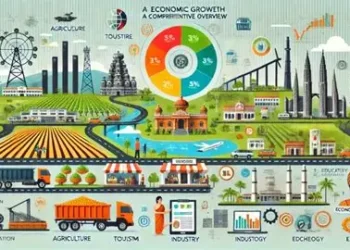
Ghana’s growth performance has been dependent on extractions and raw materials exports, which promote Industrial policy activities with no effect from structural reform. Irrespective of the government reforms in the past, Ghana’s raw materials still yielded the exports the country needed to survive.

This has characterised the Ghanaian economy as a primary product reliance base with challenges of diversification and productivity. The industrial policies are meant to boost the real sector, especially the manufacturing sector, while the structural policies are meant to provide the foundation for the implementation.


This has created a growth that is more tied to resource booms and services, highlighting a huge gap between policy and economic reality. This reality has foiled Ghana’s potential GDP growth through the persistence of deep structural issues.
Structural Policy Reform Yield Better Outcomes
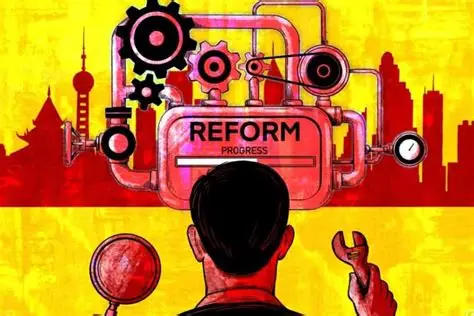
Due to the approach of both policy instruments, most experts decisively elevate structural or government reforms to produce the most effective outcome, in terms of achieving sustained growth.
The structural policy is broader and focused on the entire economy’s underlying framework to augment overall proficiency and flexibility, while industrial policy is a more targeted approach focused on specific, strategic sectors to promote their development and achieve specific goals.
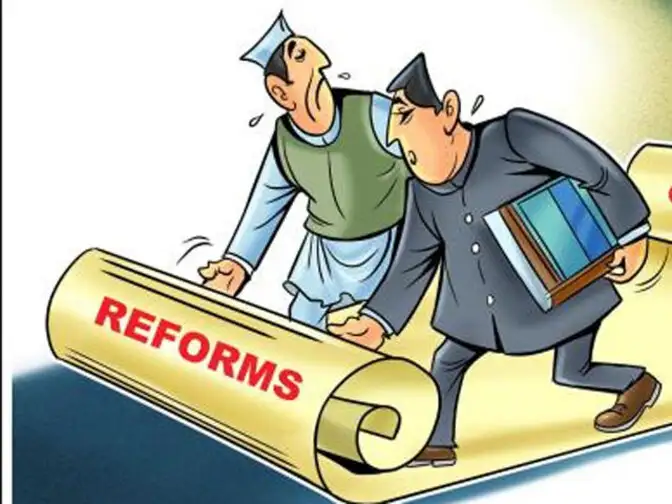
Unlike industrial policies, structural policy reform “targets economy-wide frictions; their effectiveness generally does not rely on information about sector-level characteristics, including distortions; and they have been associated with improved macroeconomic outcomes,” the IMF stated. The Fund added that “structural reforms can also yield better sector-level outcomes than industrial policies.”
According to the IMF, “a significant improvement in governance can boost industry value added in high-distortion sectors, relative to low-markup sectors by about 2.1 percent, whereas IPs targeting sectors with those distortions may be associated with only about 0.2 percent increase.”
When the private sector is enhanced through improved financial development (structural reform), more efficiency is achieved compared to the government focusing funds on specific sectors. These government funds are mostly external funds that increase the country’s debt.

The IMF report also argued that structural reform creates relatively low fiscal costs, leading to increased revenue, for instance, reforms leading to an increase in tax collection while sealing all leakages. The industrial policies incur higher costs, and the government mostly ends up subsidizing the costs. As Ghana’s fiscal space remains limited, fiscal cost is instrumental in deciding efficiency.
Other experts agree that distortion risks are reduced when fiscal costs decrease, as provided by structural reform. The trade-off will favor structural reform that offers more cost-effective paths to inclusive and sustained growth over industrial policies.
Complementary Role of the Policy Instruments
Experts allude that structural reform is the foundation on which industrial policies are effectively established. This implies that structural reform is a prerequisite to the success of industrial policies.
The quality of governance and the conduciveness of the business environment, under the structural reform, strengthen the correlation between industrial policies and Ghana’s economic performance.

The IMF explained that “other structural conditions, such as a more educated workforce, can enhance learning by doing and innovation sparked by well-crafted IPs,” adding that “firms in countries with a better business environment experience higher capital accumulation in the short term in response to IPs.”
Moreover, the Fund claimed that “firms in emerging markets and developing economies with better governance and higher human capital experience higher value-added growth after the implementation of IPs.”
Therefore, “complementarity between IPs and structural factors in emerging market and developing economies suggests that policies to improve fundamentals may be an important precondition for IPs’ success.” The two policies are phased policy instruments – “first strengthen structural factors, then address sectoral issues with targeted interventions.”
READ ALSO: World Bank Hails Ghana’s New Digital System as a Breakthrough for Smallholder Farmers