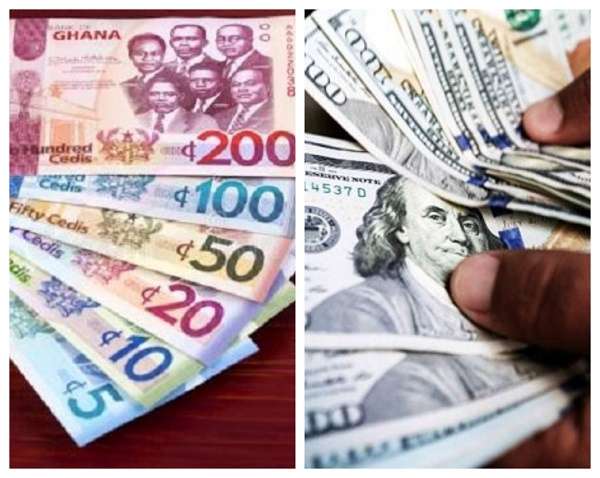
The Ghana cedi is expected to weaken by about 8.0 percent against the United States dollar in 2026, according to Fitch Solutions, even as short term pressures continue to weigh on the local currency.
The UK based research firm describes the projected depreciation as controlled and manageable, noting that it remains below the long term average depreciation rate of 10.2 percent recorded between 2010 and 2025
In its report titled “2026 Outlook For Ghanaian Economy Remains Robust, Despite Quarter 3 2025 Slowdown,” Fitch Solutions argues that the expected movement of the cedi reflects structural realities rather than signs of instability. The firm stresses that the medium term fundamentals supporting the currency are stronger than in previous cycles of depreciation.
Gold prices and reserves to support the cedi
Fitch Solutions points to elevated global gold prices and relatively healthy international reserves as key buffers against excessive exchange rate volatility in the coming quarters. Ghana, being one of Africa’s leading gold producers, stands to benefit from sustained high prices of the precious metal, which support export earnings and foreign exchange inflows.
“Indeed, elevated global gold prices and healthy international reserves will limit any undue pressure on the exchange rate in the coming quarters,” Fitch Solutions stated. This assessment suggests that while depreciation is expected, the pace is unlikely to spiral into sharp or disruptive declines that could undermine confidence in the economy.
Alongside its currency forecast, Fitch Solutions also projects a relatively stable inflation environment in 2026. Although inflation is expected to run slightly hotter in the second half of the year due to demand side pressures, it is still projected to remain modest by recent standards.


This outlook is significant for households and businesses, as high inflation has historically amplified the negative effects of currency depreciation. By contrast, Fitch’s forecast suggests that the anticipated weakening of the cedi will not translate into severe cost of living pressures or erode purchasing power dramatically.
Wage growth to boost household purchasing power
Government policy is also expected to play a supportive role in sustaining domestic demand. Fitch Solutions highlights the government’s commitment, as outlined in the 2026 Budget, to raise public sector wages by 9.0 percent.
According to the firm, this wage adjustment will help bolster household purchasing power, partially offsetting the effects of inflation and currency weakness. “As such, we forecast private consumption growth to stay strong at 6.5% in 2026, contributing 5.3 percentage points to headline real Gross Domestic Product growth,” Fitch Solutions noted.
Strong private consumption is seen as a key driver of Ghana’s economic resilience, especially at a time when global conditions remain uncertain.
Recent cedi movements reflect seasonal pressures
Despite the relatively optimistic medium term outlook, the cedi has experienced modest depreciation pressures in recent weeks. Over the past two weeks, the local currency weakened against major trading currencies, driven mainly by seasonal demand and cautious foreign exchange support from the central bank.
In the interbank market, the US dollar Ghana cedi pair closed the fortnight at a midrate of GH¢11.41. This represented a slight weakening compared to earlier levels. Against the pound sterling and the euro, the cedi depreciated by 4.62 percent and 3.87 percent, closing at GH¢15.26 and GH¢13.32 respectively.
A similar trend was observed in the retail foreign exchange market. The cedi dipped by 0.41 percent against the US dollar to close at GH¢12.05. It also shed 0.94 percent and 1.08 percent of its value against the pound and the euro, ending the period at GH¢15.90 and GH¢13.95 respectively.
Market analysts attribute these movements largely to seasonal factors, including increased demand for foreign currency by importers, as well as a cautious stance by the central bank in supplying foreign exchange to the market.
Outlook remains cautiously positive
Overall, Fitch Solutions maintains that Ghana’s economic outlook for 2026 remains robust despite near term currency pressures and a slowdown recorded in the third quarter of 2025. The firm’s assessment suggests that the expected weakening of the cedi is part of a broader adjustment process rather than a signal of renewed macroeconomic distress.
With supportive commodity prices, manageable inflation, rising wages and strong consumption growth, the Ghanaian economy is expected to absorb the projected 8.0 percent depreciation without significant disruption.
While short term pressures on the cedi may persist, Fitch’s outlook points to a more stable and predictable currency environment in 2026 than in previous periods of volatility.
READ ALSO:BOG Governor Supports Export Commodity Value Addition Agenda