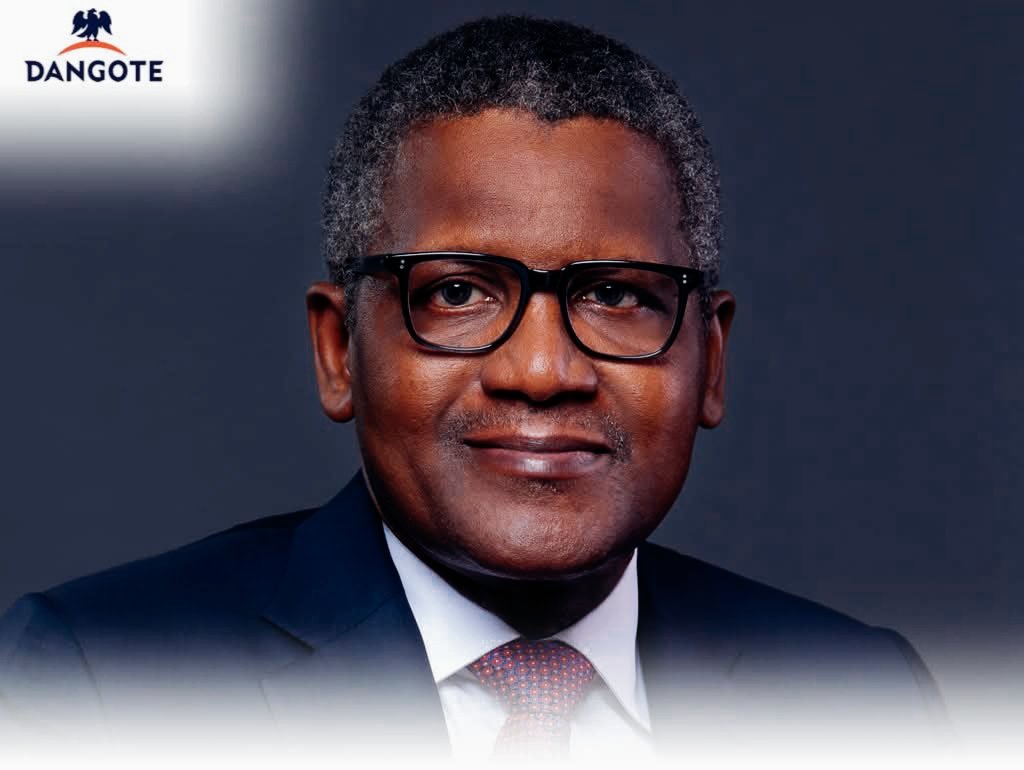
Africa’s richest man and President of the Dangote Group, Aliko Dangote, has raised serious concerns about widespread sabotage undermining Nigeria’s oil and gas infrastructure, revealing that both state-owned and private refineries have suffered extensive damage due to deliberate acts.
According to Dangote, the scale and persistence of sabotage in the sector surpass even that associated with organised drug trafficking networks.
“You are talking about sabotage, and I’m happy that you are also here in Nigeria.
“You should go to his house in Maitama and ask him how many sabotages the Port Harcourt refinery repairs went through. He told me many times that they have had more than 100 sabotages at the refinery.”
Aliko Dangote, President of the Dangote Group
Dangote stressed that the damage inflicted on refinery infrastructure and pipelines across the country cannot be explained by environmental factors or aging assets alone. He argued that the pattern of destruction clearly points to coordinated sabotage.
He cited examples of sophisticated equipment being deliberately tampered with, including critical machinery at his own refinery.
“We have a boiler, 400 tonnes, the largest boiler ever built in the world. It was under operations and somebody went and removed the spare parts out of it.”
Aliko Dangote, President of the Dangote Group
According to Dangote, some of the sabotage incidents were so severe that they brought the refinery into conflict with machine manufacturers who questioned the repeated failures.


“If I tell you the sabotages that we went through, including some of the machine manufacturers that were on the verge of going to court, you will know what I’m saying.”
Aliko Dangote, President of the Dangote Group
‘Oil Mafia Bigger Than Drug Cartels’

In one of his strongest remarks, Dangote compared the entrenched interests in Nigeria’s oil and gas sector to criminal syndicates, arguing that the industry’s “mafia” is more pervasive than drug cartels.
“That’s why I told you that drug mafias are actually smaller than the people who are in oil and gas.
“Most of the people in drugs you know yourselves, but in the oil sector, they have roped so many people in.”
Aliko Dangote, President of the Dangote Group
His comments reflect long-standing concerns about vested interests benefiting from inefficiencies, fuel imports, and infrastructure decay, often at the expense of national development and energy security.
Dangote also lamented the near-total collapse of Nigeria’s pipeline and depot network, which was once designed to efficiently distribute petroleum products nationwide. He questioned how decades of infrastructure could be rendered completely non-functional without deliberate interference.
“How come now, for example, all the pipelines that were built, right from the military base to date, none of them are functioning?”
Aliko Dangote, President of the Dangote Group
Recalling earlier years, Dangote explained that fuel distribution was once almost entirely pipeline-based, reducing reliance on road transport.
“The one that we have, which is from where I am from, Kano, that depot, we were not using trucks. Everything was piped up to that. Twenty-two depots were built. They are all piped.”
Aliko Dangote, President of the Dangote Group
Today, however, those pipelines have been destroyed beyond use. “They have destroyed the pipes, all of them. So, if it is not sabotage, is that an earthquake? It’s not an earthquake now, because it’s sabotage. Sabotage is sabotage,” Dangote declared.
$82 Million Lost to Theft at Dangote Refinery
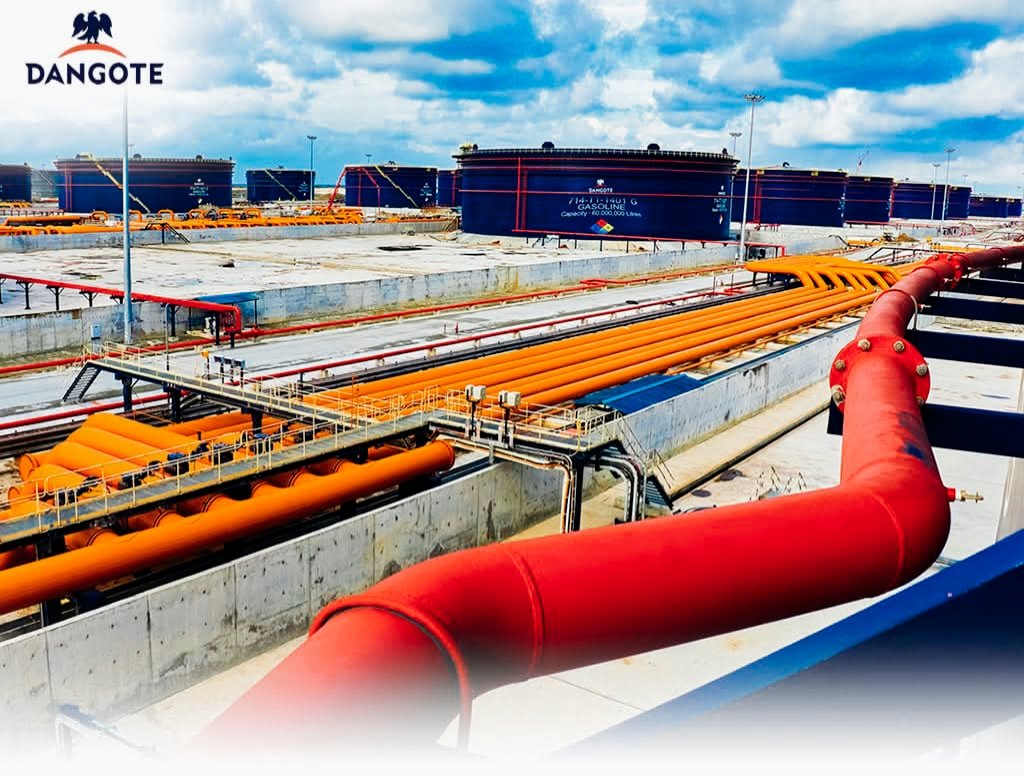
The Dangote Refinery itself has not been spared. Dangote revealed that his company has lost an estimated $82 million due to theft and sabotage, forcing the firm to implement extreme security measures.
“In this refinery, we have lost maybe $82 million of stolen items,” he said. According to him, the attacks appeared designed to trigger massive insurance claims, which would inevitably drive up premiums.
“They were actually trying to make us put massive claims on insurance. Continuously, our insurance premiums will just keep going up. Yes, there is sabotage.”
Aliko Dangote, President of the Dangote Group
The scale of the threat has compelled the refinery to employ more than 2,000 security personnel, outnumbering the plant’s operational workforce.
Dangote described elaborate attempts by individuals to steal materials, including hiding long cables under their clothing in an effort to smuggle them out.
“People will come here with long pieces of cord cables and put them on their bodies to try and see how they can take it out.”
Aliko Dangote, President of the Dangote Group
Dangote’s comments come against the backdrop of ongoing challenges at the Port Harcourt Refinery, Nigeria’s largest state-owned refining facility. In April 2021, NNPC signed a $1.5 billion Engineering, Procurement and Construction contract with Tecnimont SpA for the refinery’s rehabilitation.
After years of shutdown, the refinery resumed operations in December 2024, raising hopes of reduced fuel imports and improved energy self-sufficiency. However, those hopes were dampened when the facility shut down again in May 2025 for planned maintenance and sustainability assessment.
The prolonged shutdown, which extended beyond initial timelines, has raised fresh questions about the effectiveness of the rehabilitation and the long-term viability of the refinery under persistent operational and security challenges. With new management at NNPC evaluating options, concerns remain about financial losses linked to prolonged inactivity.
READ ALSO: Developing Countries Restructure $90bn in Debt — But Rising Costs Spell Trouble for Ghana