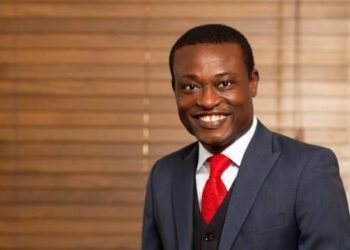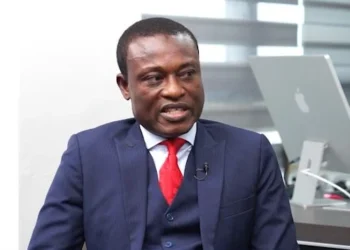
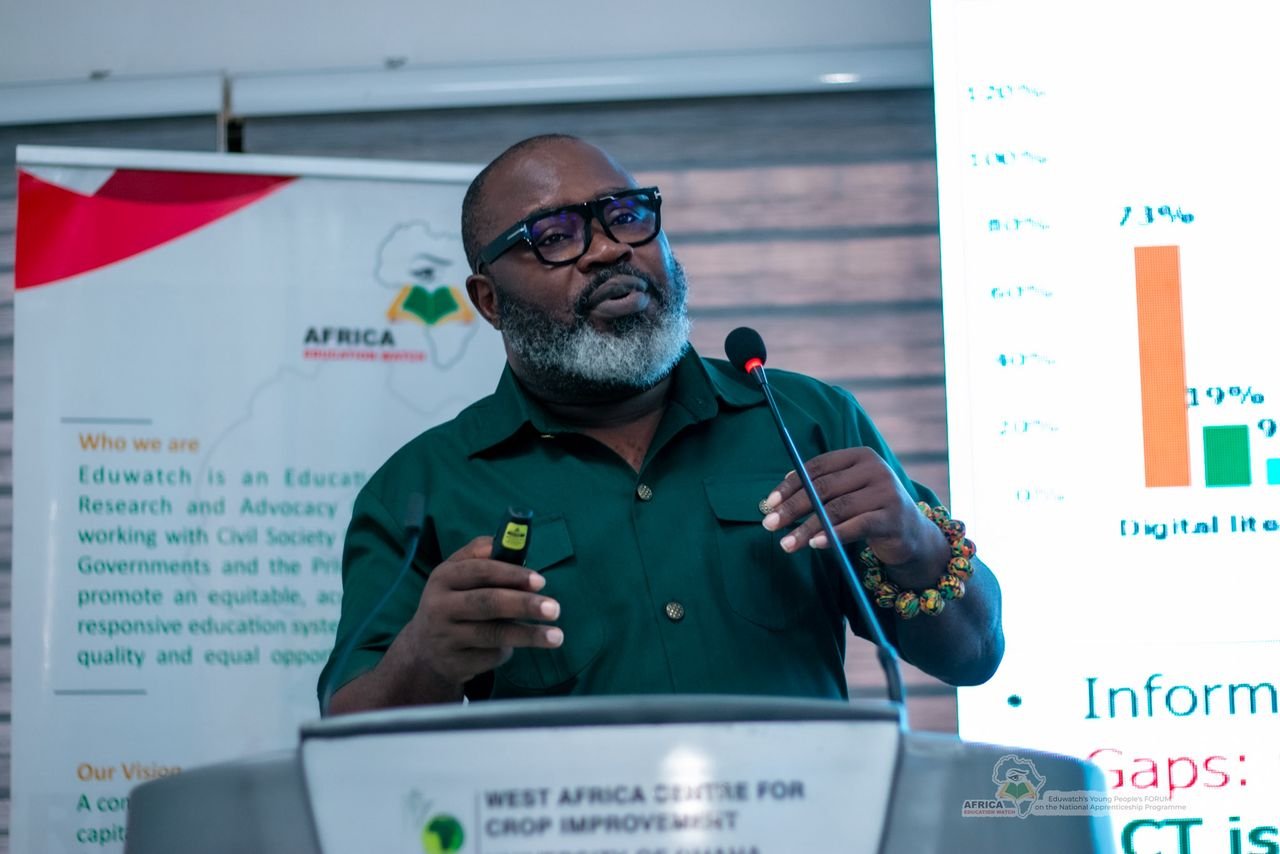
The Executive Director of Africa Education Watch, Kofi Asare, has strongly criticised proposals or discussions aimed at settling Ghana’s outstanding scholarship debt to universities in the United Kingdom, warning that using public funds to clear the arrears would amount to a misuse of scarce national resources.
Reacting to reports of an accumulated debt owed by the Ghana Scholarship Secretariat to UK institutions, Mr Asare questioned why decisive action was not taken earlier to prevent the situation from escalating.
He argued that the government had ample opportunity to formally notify UK universities that it could no longer fund government-sponsored students abroad once it became clear that the necessary resources were unavailable.
“I cringe anytime I see this recurring story,” Mr Asare said, expressing frustration at what he described as avoidable policy failure. In his view, a clear withdrawal notice issued by March 2025 would have allowed students to make informed decisions about whether to continue their studies abroad at their own expense or return home to pursue equivalent programmes locally.
Mr Asare maintained that students who chose to remain in the UK after such notice should not have done so with the expectation that the Ghanaian taxpayer would eventually shoulder the cost.
He argued that by now, many of the affected students could have transferred to public universities in Ghana, including the University of Ghana, the University of Cape Coast, Kwame Nkrumah University of Science and Technology, the University for Development Studies, and the University of Education, Winneba.


According to him, the justification for maintaining costly foreign scholarships is weak, particularly when most of the courses being studied overseas are readily available in Ghana.
Mr Asare stated that “about 99 per cent” of the programmes tied to the debt, including courses in marketing and law, can be pursued in local institutions at a fraction of the cost.
The scholarship debt has been estimated at approximately £32 million, following partial payments made by the government. The total inherited liability stood at about £35.7 million, with £3 million reportedly settled, leaving a substantial balance owed to around 110 UK universities.
The arrears accumulated over several academic years, rising sharply from tens of thousands of pounds in the 2021–2022 academic year to more than £14 million in 2024–2025.
Contradictions in Public Spending Priorities
For Mr Asare, the scale of the debt highlights deeper contradictions in public spending priorities. He questioned how a country struggling to finance basic education services could contemplate spending tens of millions of pounds on overseas scholarships for a small number of beneficiaries.
“No serious country that lacks the resources to recruit teachers for an entire year, leaving classrooms empty, would spend £34 million on British scholarships”.
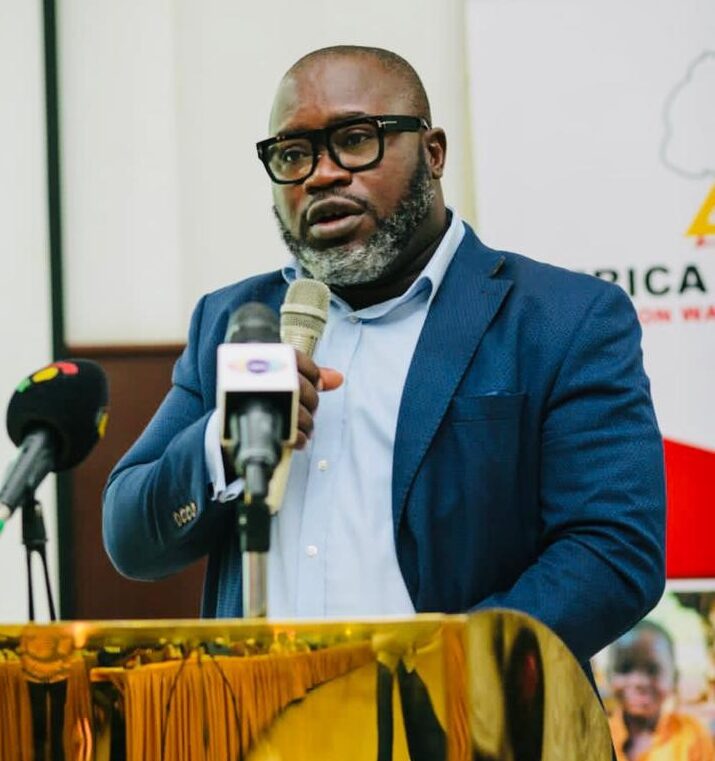
Executive Director of Africa Education Watch, Kofi Asare
To illustrate his point, Mr Asare compared the scholarship debt to the potential impact of redirecting the same funds to domestic education needs. He estimated that the amount owed could cover the annual salaries of about 9,000 teachers, a move that would have a far broader and more immediate effect on learning outcomes across the country.

In his view, continuing to debate whether or how to settle the debt represents a failure to appreciate the opportunity cost involved. Mr Asare also questioned the institutional oversight surrounding scholarship administration, asking whether the President has signed the new Scholarships Authority Bill into law.
He suggested that delays in establishing a stronger legal and governance framework for scholarships have contributed to recurring inefficiencies and waste. Without reforms, he warned, similar problems are likely to re-emerge even if the current debt is cleared.
The unpaid fees have already had serious consequences for Ghanaian students in the UK. Reports indicate that some have faced academic suspension or withdrawal from their programmes, while others have had their visas curtailed, raising fears of possible deportation. In response, a group of affected PhD students has petitioned UK Prime Minister Sir Keir Starmer, appealing for intervention to resolve the crisis.
The issue has also generated political controversy in Ghana. The current High Commissioner to the UK, Zita Benson, has attributed the debt to what she described as reckless scholarship awards by the previous administration without a clear budgetary framework.
Former Registrar of the Scholarship Secretariat, Dr Kingsley Agyemang, has countered that scholarship debt is a long-standing, systemic problem caused by misalignment between academic and financial years, and has argued that his administration successfully cleared inherited arrears.
Amid the growing debate, the new government has paused the award of new scholarships to the UK while an audit is conducted and options for addressing the debt are considered.
Mr Asare, however, insisted that even holding meetings to discuss settling the arrears is misguided. He argued that taxpayer funds should not be used to correct what he sees as policy errors that could have been avoided through timely decision-making.

“Too much waste in the system,” Mr Asare said, stressing that public resources should be directed towards strengthening local institutions rather than sustaining expensive overseas commitments.
For him, the scholarship debt is not merely a financial issue but a test of whether Ghana is prepared to align its education spending with national priorities and fiscal reality.
READ ALSO: Dr. Steve Manteaw Urges Government to Pass Minerals Revenue Management Framework