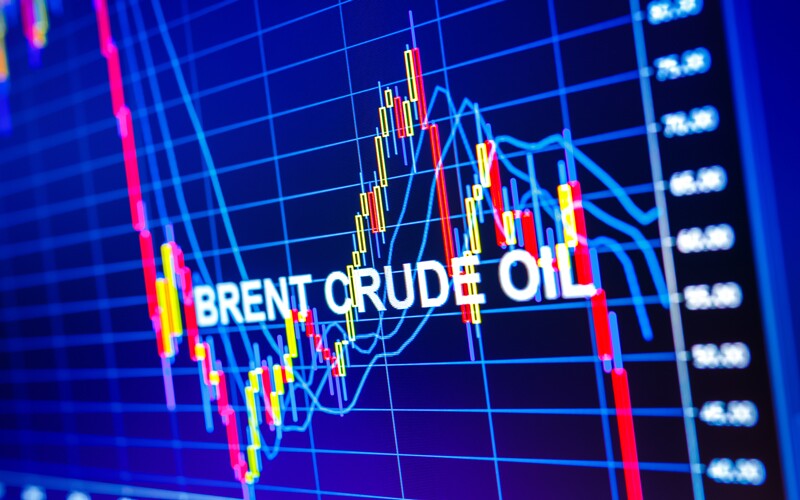
Global oil prices fell sharply on Tuesday, slipping below the $60-a-barrel mark for the first time since May, as markets reacted to growing optimism that a Russia-Ukraine peace deal could be within reach. The prospect of easing sanctions on Russia raised expectations of additional oil supply returning to the global market, intensifying concerns about oversupply.
At the time of writing, Brent crude futures were trading around $59.24 a barrel, down about 1.7 percent, while U.S. West Texas Intermediate crude fell 1.9 percent to $55.45 a barrel.
The declines reflect a market increasingly focused on supply risks rather than geopolitical disruptions that have supported prices in recent months.

Analysts say any meaningful progress toward peace could result in the gradual lifting of sanctions on Russian energy exports, potentially releasing additional crude volumes into an already well-supplied market.
“Brent has dropped to below $60 per barrel for the first time in months, as the market assesses a potential peace deal resulting in additional Russian volumes becoming available and oversupplying the market further.”
Rystad Energy analyst Janiv Shah
However, uncertainty remains high. Russia has indicated it is unwilling to make territorial concessions, with state media quoting Deputy Foreign Minister Sergei Ryabkov as saying Moscow would not compromise on core demands. Despite this, traders appear to be pricing in a greater likelihood of increased Russian supply over the medium term.


Oversupply Concerns Dominate Outlook
Beyond geopolitics, structural concerns about oversupply are weighing heavily on oil markets. Analysts warn that even without a peace agreement, global production growth has already begun to outpace demand expansion, setting the stage for a potential glut as the world heads into 2026.
“The grind in talks will be matched with the continued grind lower in prices as we enter 2026 with all its associated predictions of ‘glut.’”
John Evans, analyst at PVM Oil Associates
He added that while Brent is likely to make a fresh year-to-date low, it may find support above $55 per barrel before the end of the year.
A key signal reinforcing oversupply fears came from the futures market structure. The six-month Brent futures spread moved into contango for the first time since October, indicating expectations of ample supply and weaker near-term demand. Contango typically reflects a market where storage is plentiful and immediate demand is subdued.
Major financial institutions are also tempering their oil price expectations. Barclays analysts said Brent crude is likely to average around $65 per barrel in 2026, slightly above current forward curves but still reflecting a market adjusting to surplus conditions.
According to Barclays, an expected surplus of about 1.9 million barrels per day next year is already largely priced in by traders. This suggests limited upside for oil prices unless unexpected supply disruptions or a sharp rebound in demand materialise.
Banks See Lower Prices Ahead

Major financial institutions are also tempering their oil price expectations. Barclays analysts said Brent crude is likely to average around $65 per barrel in 2026, slightly above current forward curves but still reflecting a market adjusting to surplus conditions.
According to Barclays, an expected surplus of about 1.9 million barrels per day next year is already largely priced in by traders. This suggests limited upside for oil prices unless unexpected supply disruptions or a sharp rebound in demand materialise.
Adding to the bearish tone, fresh economic data from China—the world’s largest oil importer—raised fresh concerns about global demand strength.
IG market analyst Tony Sycamore said the softer data reinforced fears that demand growth may struggle to absorb recent increases in supply. Sluggish industrial activity and cautious consumer spending in China could limit oil consumption growth at a time when producers are ramping up output.
As oil prices slip to multi-month lows, attention is increasingly turning to the outlook for 2026. With peace hopes, rising supply, and fragile demand converging, analysts warn that the market may struggle to regain upward momentum in the near term.
For now, the combination of diplomatic optimism, oversupply fears, and weak economic signals has tilted the balance decisively toward lower prices.
Whether oil stabilises above key support levels or continues to slide will depend on how quickly peace efforts translate into real supply changes, and whether global demand shows signs of recovery in the months ahead.
READ ALSO: Developing Countries Restructure $90bn in Debt — But Rising Costs Spell Trouble for Ghana