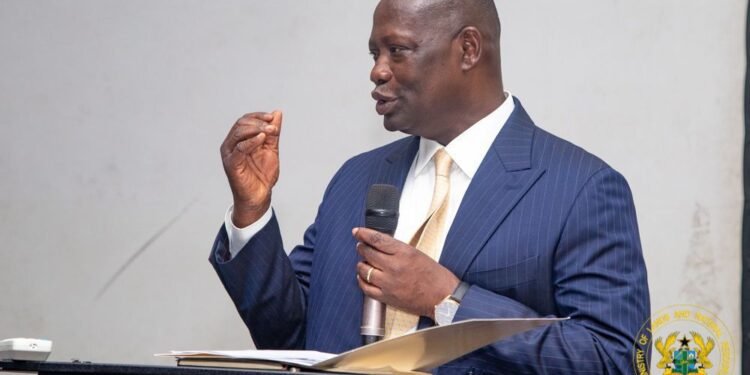
Ministry of Lands and Natural Resources has signaled a renewed focus on ensuring the integrity of the extractive sector following a tragic shooting incident at a mining site in Adelekezu, Western Region.
This proactive stance underscores the government’s objective to align mineral extraction with strict legal standards while safeguarding the lives of citizens in host communities.
By addressing the fallout of the Adelekezu incident, the Ministry aims to restore public confidence and prevent the escalation of tensions that frequently arise between large-scale operations, local youth, and illegal miners.
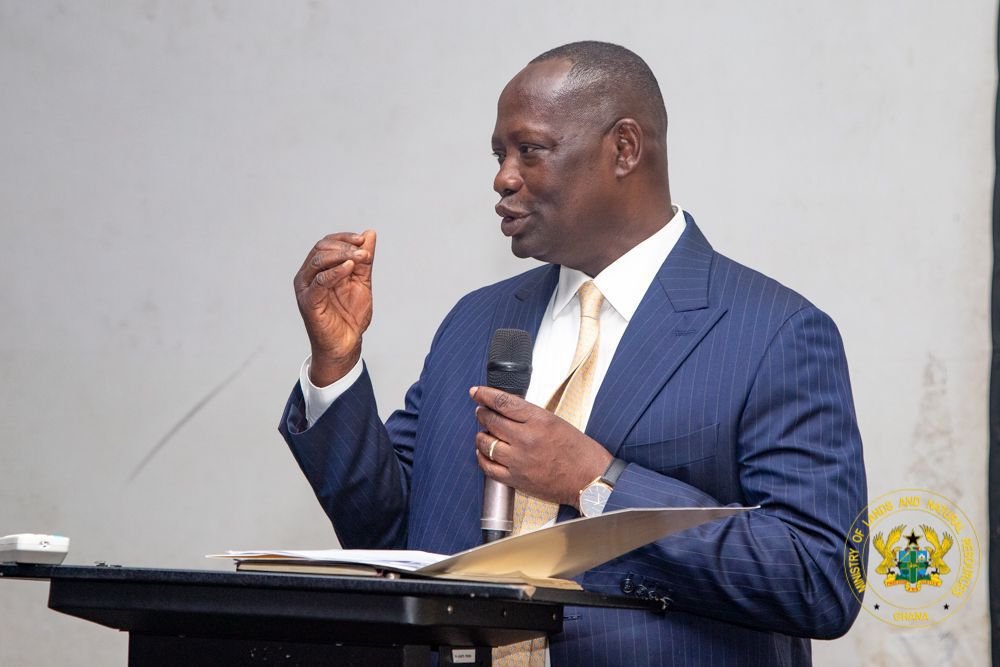
“The Ministry reiterates its commitment to lawful mining operations, community safety, and peaceful coexistence between mining activities and host communities. Any further engagement by the Ministry will be guided strictly by the outcome of the official investigations.”
Ministry of Lands and Natural Resources
The situation in Adelekezu, which reportedly resulted in the death of a 13-year-old boy and the subsequent destruction of mining equipment by aggrieved youth, highlights the volatile nature of land-use conflicts in Ghana’s mineral-rich belts.
In response, the Sector Ministry has moved to stabilize the environment by emphasizing the importance of the rule of law and the independence of the Ghana Police Service’s ongoing investigations.
The Ministry’s intervention is part of a broader strategy to mitigate the risks of “galamsey” (illegal mining) and the resulting environmental degradation that has historically fueled communal unrest and damaged critical infrastructure, such as national gas pipelines.


Navigating the Challenges of Ghana’s Mining Sector
The extractive industry in Ghana remains the backbone of the national economy, contributing significantly to GDP and foreign exchange reserves; however, it faces systemic hurdles that threaten its long-term viability.
Chief among these is the pervasive spread of illegal small-scale mining, which has contaminated over 60% of the country’s water bodies and severely impacted the cocoa sector, a vital pillar of rural livelihoods.
The “galamsey” menace is often driven by a lack of alternative economic opportunities, leading to frequent incursions onto legal concessions and violent confrontations between security details and local inhabitants.
Furthermore, the industry grapples with the high cost of environmental remediation and the complex task of formalizing artisanal miners into organized cooperatives.
In many regions, the perception of “uneven enforcement” of mining laws has created a trust deficit between the state and host communities.
This is exacerbated by the encroachment of mining activities into forest reserves, which led to a recent government ban on such practices to protect biodiversity.
For the Ministry, the challenge lies in balancing the urgent need for mineral revenue with the non-negotiable requirement for environmental sustainability and the protection of human rights.
The Ministry’s Strategic Role in Ensuring Peaceful Coexistence

To address these multi-faceted issues, the Ministry of Lands and Natural Resources has adopted a dual-track approach focused on robust regulation and community-centered engagement.
Through agencies like the Minerals Commission and the National Anti-Illegal Mining Operations Secretariat (NAIMOS), the Ministry is intensifying field surveillance and the deployment of “Blue Water Guards” to protect riverine resources.
By streamlining the licensing process for artisanal miners, the government is working to transition illegal operators into a lawful, taxable, and environmentally conscious framework that benefits the local economy without compromising safety.
Crucially, the Ministry serves as the primary mediator between mining companies and the traditional authorities of host communities.
This role involves overseeing the equitable distribution of mineral royalties through the Minerals Development Fund, ensuring that communities see tangible benefits from the resources extracted from their lands.
By fostering a “peaceful coexistence,” the Ministry aims to create a stable investment climate where mining operations can thrive alongside thriving agricultural and social systems. The resolution of the Adelekezu incident will serve as a critical litmus test for this commitment to justice and orderly resource management.
READ ALSO: Zugraan Asigri Abugrago Azoka II Affirmed as Bawku Naaba in Otumfuo’s Final Mediation Report