Ministry of Lands and Natural Resources has rebuffed the Minority in Parliament’s demand for the immediate resignation of the Sector Minister, Hon. Emmanuel Armah-Kofi Buah.
This rebuttal follows the controversial withdrawal of the Ewoyaa Lithium mining lease from Parliament, a move the opposition interprets as a sign of executive incompetence and policy inconsistency.
However, the Ministry maintains that the call for the Minister to “step out of the ship” is fundamentally flawed, as the withdrawal was a strategic pause intended to accommodate broader stakeholder feedback and ensure the final agreement maximizes national benefits.
“I have listened to the calls by the minority, and having examined it abundantly clear that it is a call that lacks merit, it doesn’t have any substance, and it is one that the entirety of the Ghanaian people should blatantly ignore.”
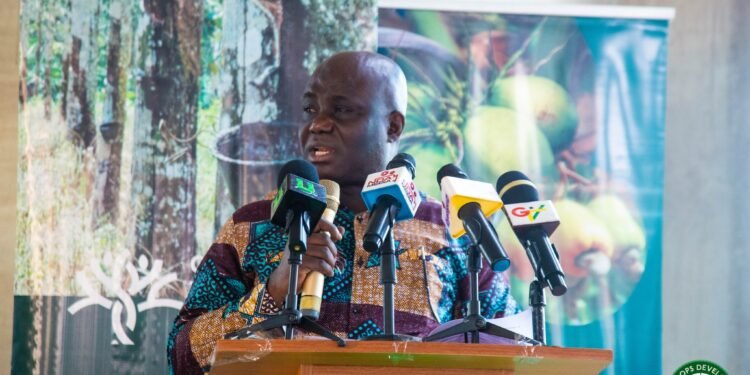
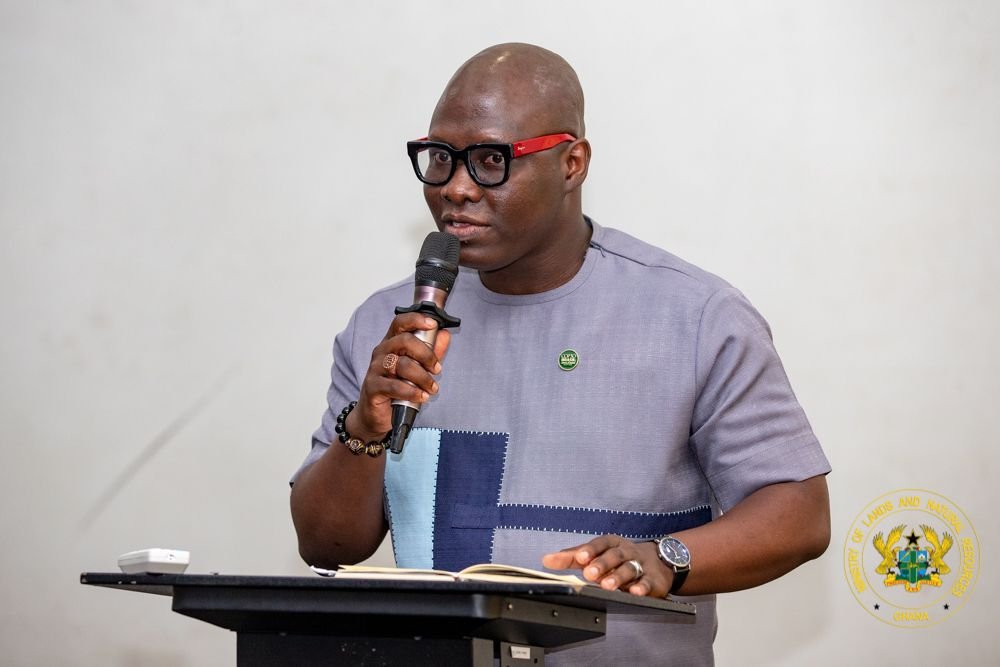
Mr. Paa Kwesi Schandorf
Expanding on this position, the Ministry’s Media Relations Officer, Mr. Paa Kwesi Schandorf, clarified that the ongoing processes are part of a deliberate effort to refine the draft agreement through deep-seated community and civil society engagements.
While the Minority argues that the Minister’s shifting stance initially defending a 10% royalty rate before presenting a revised 5% rate is a manifestation of “incompetence,” the Ministry asserts that these adjustments are responses to volatile global lithium prices, which plummeted from $3,000 to approximately $630 per tonne.
By engaging communities in Ewoyaa and holding “crunch interactions” with organizations at the Alisa Hotel, the Ministry is actively integrating varied perspectives on health, safety, and local employment into the legal framework.


Mr. Paa Kwesi further added that “It is curious for anyone to demand the exit of the leader shepherding this process while active conversations to make the deal more beneficial are still ongoing. “
“For us at the Ministry, this appeal is devoid of logic and reasoning and must be outrightly dismissed,” he added.
Minority’s Grievances and the Price of Inconsistency

The Minority’s agitation stems from what they describe as a “complete compromise” of Ghana’s strategic interests. Central to their argument is the reduction of the royalty rate from the 10% negotiated under the previous administration to the statutory minimum of 5%.
The opposition contends that the Minister has been inconsistent, previously championing the 10% rate as a landmark achievement only to later withdraw the deal when faced with public and parliamentary scrutiny.
They argue that this “volte-face” undermines the Minister’s credibility, suggesting that the leadership is unable to secure a deal that protects the state from what they term “colonial” mining models.
Strategic Role of the Minister in the Lithium Value Chain
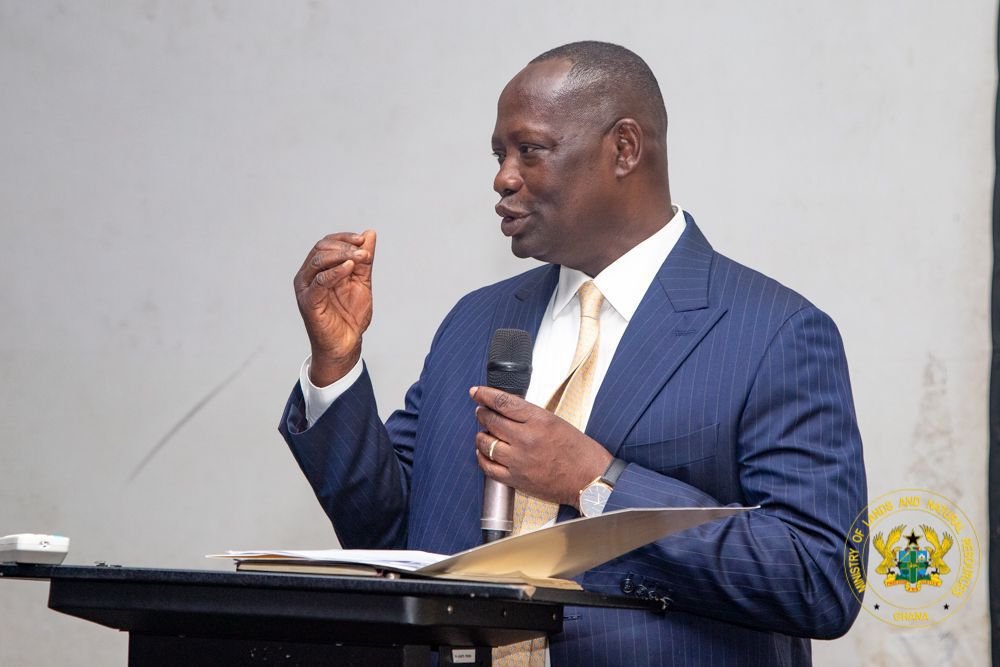
Hon. Emmanuel Armah-Kofi Buah has been at the helm of transitioning Ghana into a key player in the global green mineral sector.
His role involves balancing the fiscal demands of the state with the commercial viability of the Ewoyaa project, which is operated by Barari DV Ghana Limited, a subsidiary of Atlantic Lithium.
Under his stewardship, the Ministry has pushed for a transition from simple royalty conversations to more complex equity participation and local value addition.
This includes the push for a 13% free carried interest and additional state participation through the Minerals Income Investment Fund (MIIF), ensuring that Ghana is not merely an exporter of raw spodumene but a stakeholder in the entire lithium value chain.
Implementation Efforts and Stakeholder Consensus
To ensure a smooth and transparent implementation of the Ewoyaa agreement, the Ministry has intensified its “stakeholder engagements” across the board.
Efforts so far include community durbars in Ewoyaa and adjoining areas to address “peculiar concerns about employment” and the safeguarding of local heritage.
Furthermore, the Ministry has stalled the parliamentary process to allow for the amalgamation of views from civil society on environmental safeguards and safety standards.
This inclusive approach, according to Schandorf, is intended to create a “robust agreement” that is anchored in national interest and backed by consensus, rather than a rushed contract that ignores the evolving economic and social landscape of the extractive industry.
READ ALSO: President Mahama Deploys Army Engineers to Rebuild Post-Hurricane Jamaica