Ghana’s Minister for Energy and Green Transition, Hon. John Abdulai Jinapor, has outlined an ambitious and comprehensive agenda for the energy sector in 2026, anchored on stability, sustainability and renewed investor confidence.
Looking ahead, the Minister says his focus remains firmly on delivering reliable and affordable electricity, strengthening critical infrastructure, expanding generation capacity and accelerating the country’s transition toward cleaner energy sources.
“As we look ahead to 2026, my priorities remain clear: delivering stable, reliable, and affordable electricity; strengthening transmission and distribution; expanding generation capacity to meet growing demand; accelerating renewable energy deployment as part of our green transition.”
John Abdulai Jinapor, Minister for Energy and Green Transition
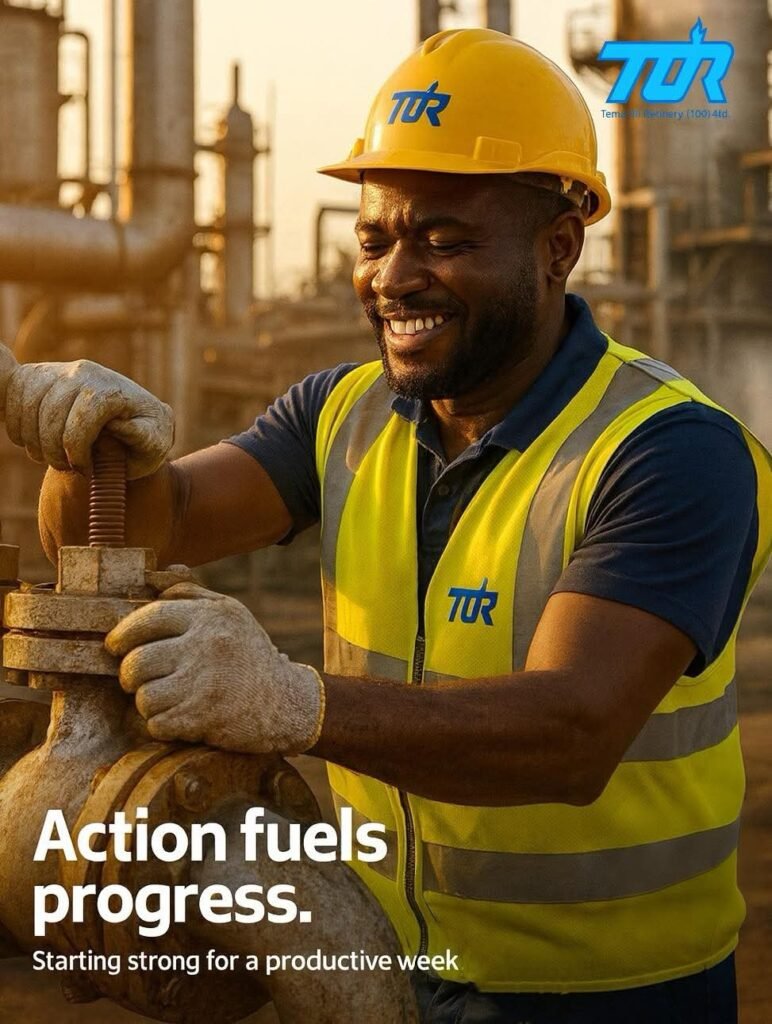
Mr. Jinapor added that revitalising the upstream petroleum sector and driving the revamp of key national assets such as the Tema Oil Refinery (TOR) and the Ghana Cylinder Manufacturing Company are central to improving energy security and domestic value addition.
The Minister revealed that these priorities were sharpened during a recent performance retreat organised by the Ministry of Energy and Green Transition.
The retreat brought together leadership from agencies across the energy sector to assess performance in 2025 and agree on strategic actions for the year ahead.


According to Mr. Jinapor, the retreat was not a ceremonial gathering, but a working session aimed at aligning institutions behind clear and measurable goals.
Honest Reflection on Progress and Challenges

“The retreat provided a critical platform to reflect honestly on our progress, address challenges, and align on clear, actionable priorities to deliver results for the people of Ghana.”
John Abdulai Jinapor, Minister for Energy and Green Transition
The Minister stressed that such alignment is essential in a sector as complex and interconnected as energy, where weaknesses in one segment can quickly affect the entire value chain.
“When I assumed office in January 2025, the energy sector faced serious challenges across both the power and petroleum sectors.”
John Abdulai Jinapor, Minister for Energy and Green Transition
These challenges, he explained, required decisive leadership, improved coordination and a renewed focus on performance.
Gains in Power Stability and Investor Confidence
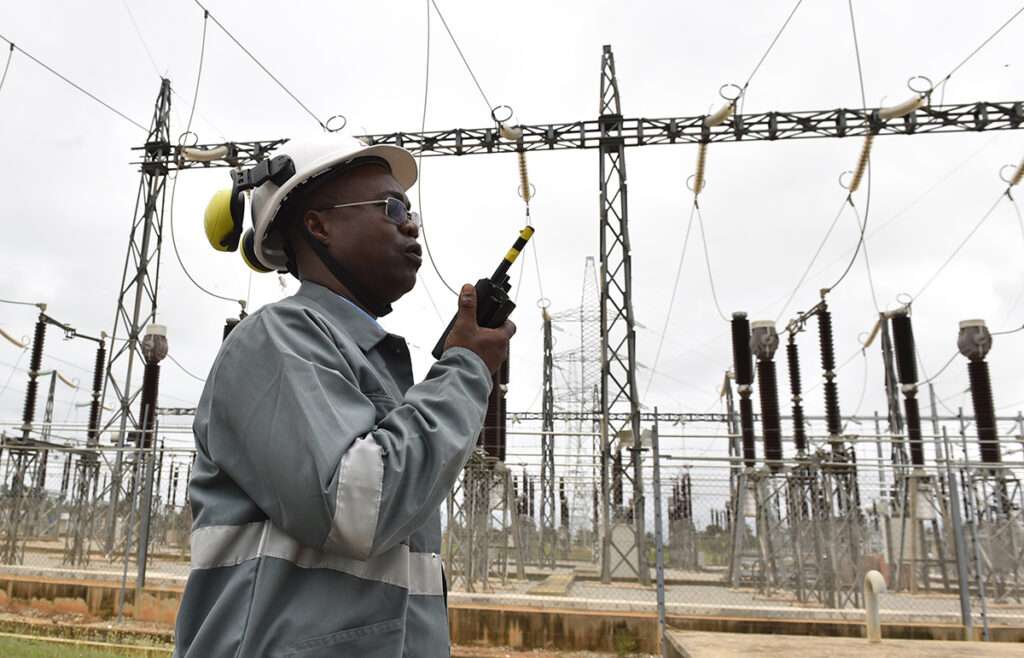
Despite the difficulties inherited, the Minister expressed optimism about the progress made over the past year. He pointed to sustained power stability and the absence of recent load shedding as a key indicator of improved sector performance.
“I am encouraged by the progress made, including sustained power stability with no recent loadshedding and the restoration of investor confidence in the upstream petroleum sector.
John Abdulai Jinapor, Minister for Energy and Green Transition
Mr. Jinapor attributed these gains to improved collaboration across government agencies, regulators and private sector players.
A major pillar of the Minister’s 2026 agenda is the accelerated deployment of renewable energy. As Ghana seeks to balance energy security with climate commitments, renewables are expected to play a growing role in the generation mix.
Mr. Jinapor said the green transition is not being pursued in isolation, but as part of a broader strategy to diversify energy sources and reduce long-term costs.
He emphasised that expanding renewables goes hand in hand with strengthening transmission and distribution networks to ensure that new generation capacity can be delivered reliably to consumers across the country.
Accountability and Results-Driven Leadership
Underlying all these priorities, the Minister said, is a renewed emphasis on accountability and performance. He noted that leadership across the energy sector is being challenged to deliver tangible results that improve the lives of citizens and support national development.
As Ghana looks toward 2026, the Minister’s agenda signals continuity in stabilising the sector while pushing forward with reforms and investments needed for long-term growth.
With power stability improving, investor confidence returning and a clearer focus on renewables and domestic infrastructure, Mr. Jinapor expressed confidence that the energy sector can become a strong foundation for economic transformation.
He stressed that success will depend on sustained collaboration, disciplined execution and a shared commitment to putting the interests of Ghanaians first, as the country navigates the twin goals of energy security and a greener future.
READ ALSO: Cedi to Break Winds as Year Ends in an Astounding Performance