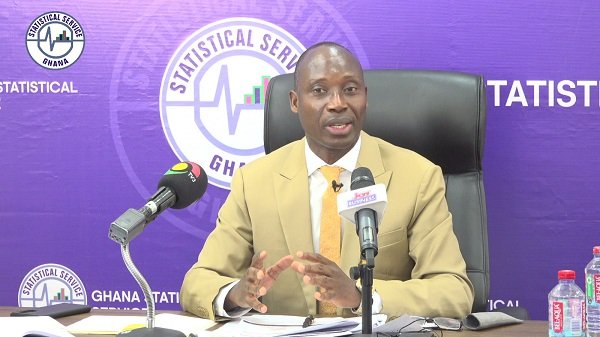
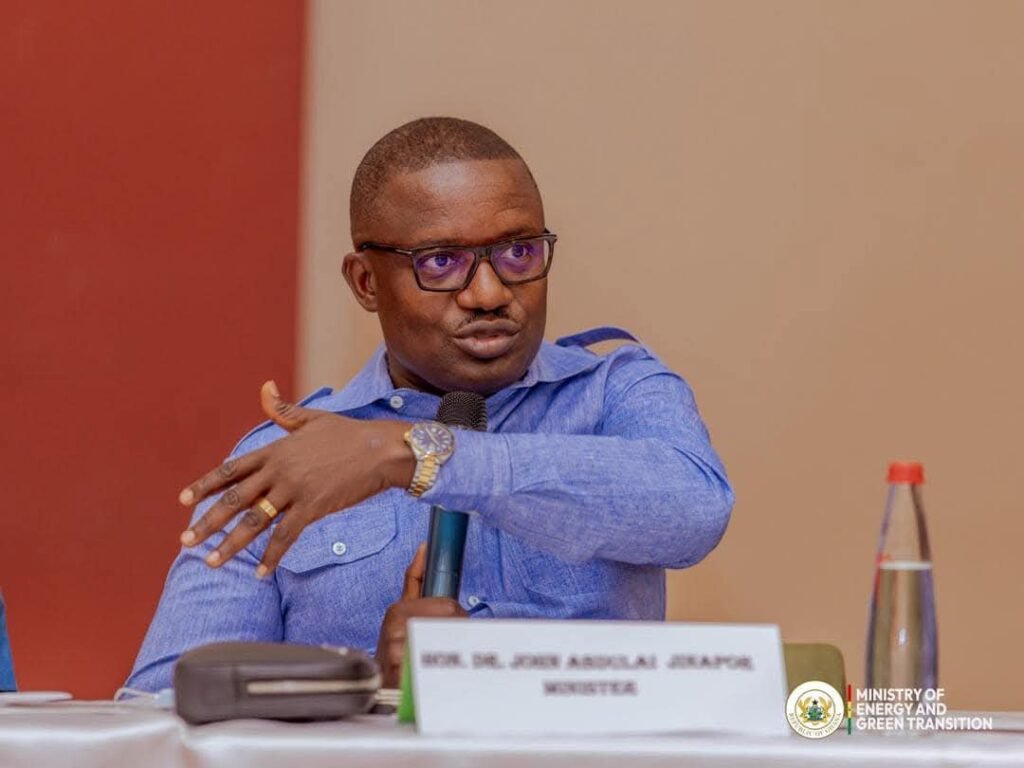
The Minister of Energy and Green Transition, Dr John Jinapor, has signalled a renewed focus on Ghana’s electricity transmission and distribution networks as part of broader power sector reforms planned for 2026.
While generation capacity has improved in recent years, he said structural and operational weaknesses within the distribution sector continue to undermine system reliability and financial sustainability.
According to the minister, addressing these bottlenecks is now just as critical as expanding generation. He warned that without decisive action, gains made in power stability could be eroded by inefficiencies downstream.
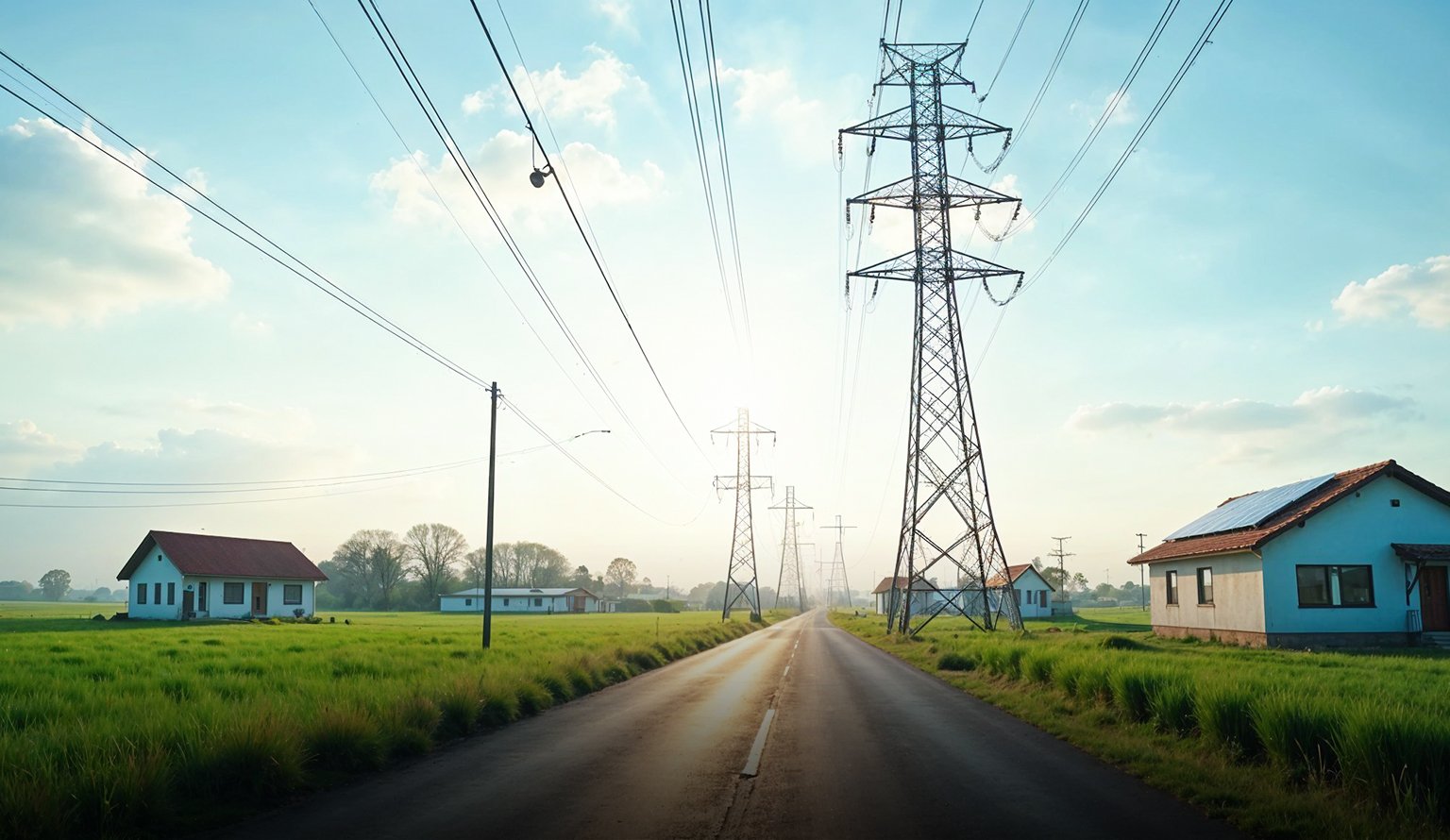
“A key area that demands urgent attention is power transmission,” he said, noting that weaknesses in the transmission network limit the country’s capacity to fully utilise available generation.
“Our ability to evacuate power from generation sources and transmit it efficiently across the country is fundamental to system reliability.”
John Abdulai Jinapor, Minister for Energy and Green Transition
With new generation projects and renewable energy sources expected to come on stream, the minister warned that delays in upgrading transmission infrastructure could create serious constraints.
Measurable Improvements Expected in 2026


Looking ahead, Dr Jinapor said 2026 must mark a turning point in the pace and quality of transmission system upgrades. He made it clear that prolonged delays and inefficiencies would no longer be tolerated.
“In 2026, we must see measurable improvements in transmission infrastructure.
“Delays and inefficiencies in the transmission system improvement should no longer be acceptable, especially as we prepare to integrate additional generation capacity and renewable energy sources.”
John Abdulai Jinapor, Minister for Energy and Green Transition
The minister’s remarks underscore government’s intent to align transmission expansion with generation growth, ensuring that power produced can be reliably delivered to homes, businesses and industries across the country.
Beyond transmission, Dr Jinapor turned his attention to the performance of electricity distribution utilities, particularly the Electricity Company of Ghana (ECG) and the Northern Electricity Distribution Company (NEDCo).
“High technical and commercial losses, inadequate metering, collection challenges and customer service deficiencies must be addressed decisively.”
John Abdulai Jinapor, Minister for Energy and Green Transition
According to the minister, losses from inefficiencies and poor revenue collection reduce the resources available for maintenance, expansion and service improvements, creating a vicious cycle of underperformance.
Accountability for ECG and NEDCo

Dr Jinapor made it clear that 2026 will bring stricter oversight and accountability for the management of ECG and NEDCo. He said the utilities must evolve into more efficient, financially sustainable and customer-focused organisations if the power sector is to remain stable.
He added that the ministry will introduce performance benchmarks to track progress in key areas such as loss reduction, billing efficiency, revenue collection and service delivery.
“In 2026, performance benchmarks in loss reduction, billing efficiency, revenue collection, and service delivery will be closely monitored, and management will be held accountable for results.”
John Abdulai Jinapor, Minister for Energy and Green Transition
The emphasis on transmission and distribution reforms is closely linked to Ghana’s broader energy transition agenda. As the country expands renewable energy capacity, the grid must be capable of handling variable power sources while maintaining stability.
Dr Jinapor suggested that strengthening the transmission network is essential to integrating renewables effectively, avoiding congestion and minimising system losses.
Improved distribution performance, he added, will also ensure that the benefits of cleaner energy translate into reliable service for consumers.
Protecting Power Stability Gains

Ghana has in recent years enjoyed relatively stable electricity supply, but the minister warned that this stability cannot be taken for granted. Without robust transmission and efficient distribution, even surplus generation can coexist with outages and financial strain.
By focusing on infrastructure upgrades and utility performance, the ministry aims to protect recent gains and build a power system capable of supporting economic growth, industrialisation and a greener energy mix.
Dr Jinapor’s message reflects a shift toward results-driven leadership in the power sector. Rather than broad policy declarations, the focus for 2026 will be on measurable outcomes, tighter oversight and clear accountability.
As Ghana prepares to integrate new generation capacity and accelerate its green transition, the success of these ambitions will depend largely on whether transmission bottlenecks are cleared and distribution utilities deliver real improvements.
For the minister, the message is unambiguous: efficiency, accountability and reliability must define the next phase of Ghana’s power sector reforms.
READ ALSO: Honduras Attorney General Activates Arrest Order for Pardoned Ex-President Hernández