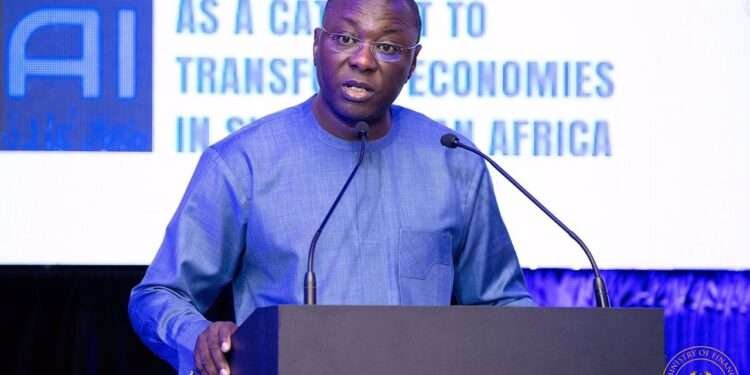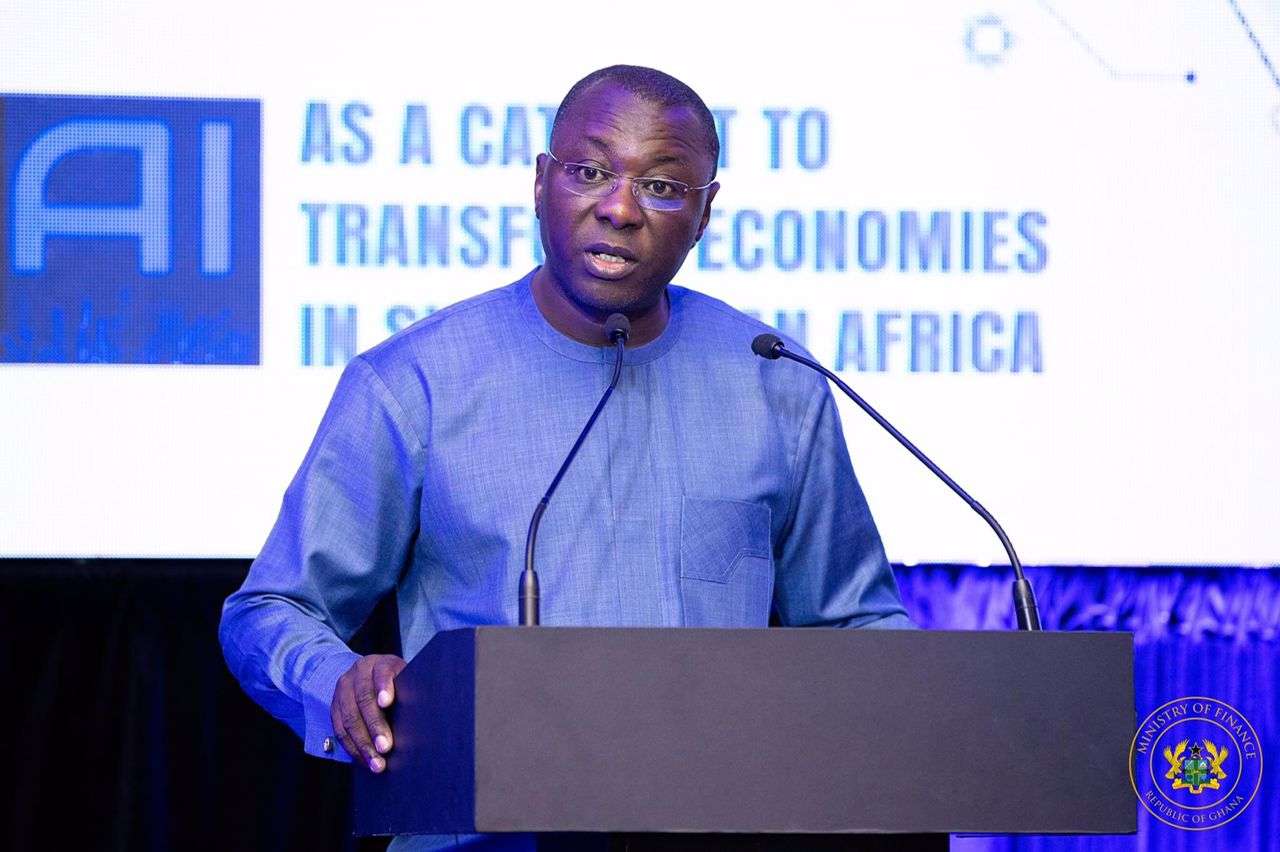
The former Minister of Finance, Dr. Mohammed Amin Adam, has warned that Ghana’s ambition to industrialise under the government’s proposed 24-hour economy could be undermined by the country’s lack of affordable, high-capacity industrial energy.
According to him, persistently high electricity tariffs and the absence of reliable baseload power pose a fundamental constraint to running factories and processing plants around the clock.
“Industrialising Ghana will not be a success if we don’t have industrial energy. Where is that industrial energy?” he asked, stressing that without addressing power costs and reliability, industrial policy risks remaining largely aspirational.
Dr. Amin Adam argued that industrialisation depends on continuous, stable electricity supply capable of supporting heavy machinery and large-scale production. He said Ghana currently lacks the kind of dependable baseload power needed to sustain 24-hour industrial operations.
He acknowledged that debates around power generation technologies are often contentious, particularly when they involve environmental and social considerations.
“With coal, people have problems. Nuclear, people have problems,” he said. However, he maintained that these technologies remain central to industrial energy systems globally and cannot be dismissed outright if Ghana is serious about transforming its economy.


According to him, coal continues to be used in many industrialised countries, while nuclear energy remains a key source of stable electricity in others.
In his view, the conversation should focus on pragmatic solutions that guarantee energy security rather than being driven solely by public sentiment.
Renewables Not Enough for Heavy Industry
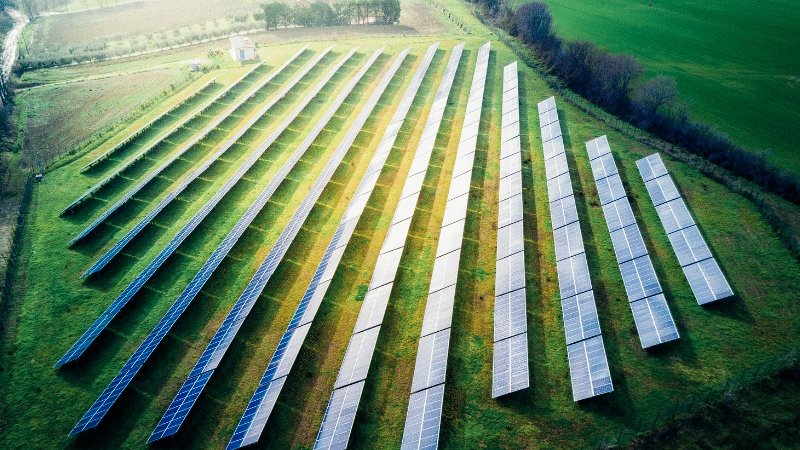
While recognising the importance of renewable energy for climate goals, Dr. Amin Adam cautioned against overreliance on renewables as a solution to Ghana’s industrial energy needs.
He described renewables as inherently intermittent and therefore unsuitable as the primary source of power for heavy industry.
“Everybody is talking about renewable energy. That doesn’t give us industrial energy,” he asserted. He explained that while solar and wind power can complement the energy mix, they cannot provide the constant, high-capacity electricity required to run factories non-stop without significant and costly storage infrastructure.
In his assessment, renewables should support, rather than replace, firm baseload sources if Ghana wants to industrialise competitively.
Dr. Amin Adam also highlighted limitations in Ghana’s gas-to-power strategy, which has long been promoted as a cleaner bridge between fossil fuels and renewables.
While gas remains an important part of the energy mix, he said infrastructure bottlenecks and supply constraints have prevented it from fully delivering industrial-grade power.
“The nation’s gas-to-power ambitions are impacted by infrastructure and supply constraints,” he noted, adding that disruptions in gas supply and limited processing capacity have affected power generation reliability.
According to him, Ghana must broaden its energy options and invest in sources that can guarantee long-term industrial growth.
“We need to look at sources that guarantee industrialisation so we can exploit the many, many, many resources that we have around the country.”
Dr. Mohammed Amin Adam, Former Minister of Finance
Untapped Resources, Limited Processing

The former finance minister pointed to Ghana’s abundant mineral and agricultural resources, much of which are exported in raw form due to limited domestic processing capacity. He argued that without affordable and reliable power, efforts to add value locally will continue to fall short.
From minerals to agricultural produce, he said the country’s inability to process raw materials at scale represents a missed opportunity for job creation and export earnings. “You cannot achieve this if we don’t produce industrial energy,” he stressed.
Dr. Amin Adam acknowledged that Ghana has skilled professionals in the power sector, yet the system remains under strain. He described the sector as being in a “perpetual crisis,” characterised by high costs, inefficiencies and periodic supply challenges.
Despite decades of reforms, he said, electricity pricing remains a major burden on businesses, discouraging investment in manufacturing and processing industries that depend heavily on energy.
As Ghana pursues its 24-hour economy agenda, Dr. Amin Adam’s warning highlights a critical reality: without reliable, affordable baseload electricity, industrialisation may remain elusive, regardless of policy ambition.
READ ALSO: Producer inflation Slides to 12.3% in November 2025 as Factory Gate Prices Cool Sharpl