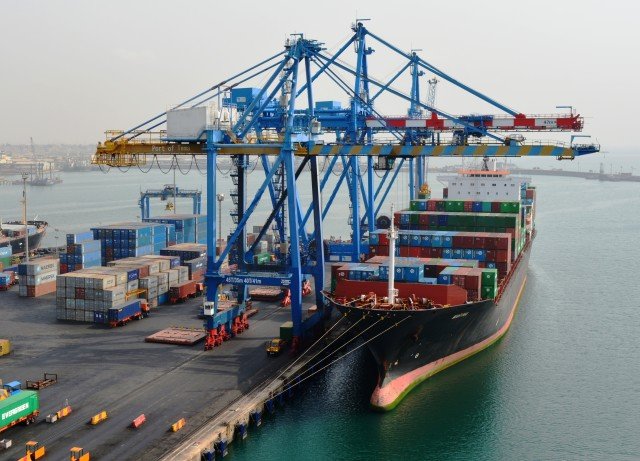
The proposed introduction of an Artificial Intelligence system at Ghana’s ports has triggered strong resistance from the Importers and Exporters Association of Ghana, which has raised concerns about data security, revenue assurance, and the transparency surrounding the planned implementation.
While the Association supports the modernisation of port operations, it insists that any technological upgrade must be credible, secure, and aligned with national interests.
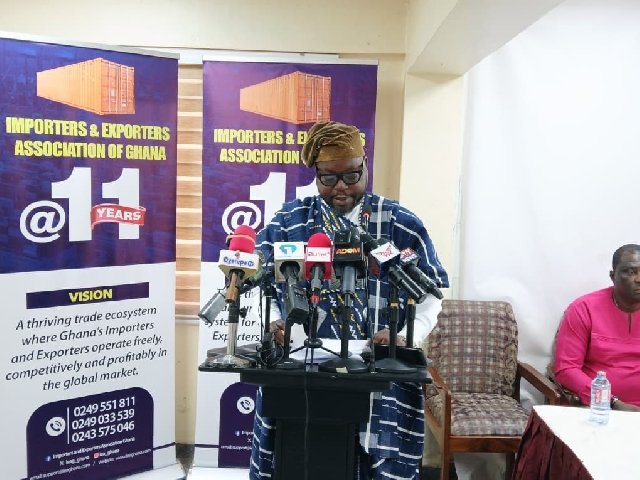
Speaking on the matter, the Executive Secretary of the Association, Mr Samson Asaki Awingobit, emphasised that innovation at the ports should not compromise Ghana’s sovereignty over critical trade data or weaken gains already made in revenue mobilisation.
At the heart of the Association’s concerns is the reported award of the AI system contract to Truedare Investments Limited, a Cyprus registered firm. According to the Association, there is no publicly verifiable evidence that the company has prior experience in port automation or the deployment of large scale AI driven customs systems.
Mr Awingobit noted that while technological partnerships are important, the credibility and track record of firms entrusted with sensitive national infrastructure cannot be overlooked. He stressed that procurement processes for such strategic systems must be transparent and competitive to inspire confidence among stakeholders within the trading community.
“We support modernisation, but it must be credible, transparent, and secure,” the Association stated, reinforcing its position that Ghana cannot afford to gamble with systems that underpin national revenue and trade security.


Concerns About Data Security and Sovereignty
The planned AI system is expected to rely heavily on data from the Integrated Customs Management System, widely known as Integrated Customs Management System (ICUMS). This has raised red flags over data sovereignty and cybersecurity, particularly regarding who controls, processes, and stores sensitive customs and trade data.
The Association fears that granting external entities deep access to ICUMS data could expose Ghana to cyber threats, data breaches, and potential manipulation of trade information. Such risks, it argues, could undermine confidence in the customs system and reverse progress made in strengthening compliance and transparency.
“Ghana must retain full control of customs data and technology core to national trade security,” the Association emphasised, warning that any arrangement that weakens state oversight could have long term implications for revenue assurance and national security.
Beyond data security, the Association is calling for broad based stakeholder engagement before any AI system is rolled out at the ports. It argues that importers, exporters, freight forwarders, customs agents, and port operators must be fully consulted to ensure seamless integration with existing systems and operational realities.
According to the Association, meaningful engagement would help identify potential gaps, reduce implementation risks, and promote user acceptance. It also highlighted the importance of capacity building, noting that local expertise must be developed alongside any technological upgrade to avoid over dependence on foreign systems and consultants.
The Association believes that strengthening local technical capacity will not only improve system sustainability but also create opportunities for Ghanaian professionals in the rapidly growing digital trade and logistics space.
Improved Port Performance Should Not Be Jeopardised
The concerns come at a time when Ghana’s ports are recording notable improvements in performance and revenue mobilisation. Customs revenue, according to the Association, reached US$3,179,125,238.11 as of September 2025, reflecting the impact of ongoing reforms and digitalisation efforts.
The Association cautioned that introducing a new AI system without proper safeguards could disrupt existing processes and erode the gains achieved so far. It argued that reforms should be incremental and carefully managed to ensure continuity, stability, and confidence among port users.
In its view, technology should enhance efficiency and accountability, not introduce uncertainty into a system that is beginning to deliver tangible results.
While opposing the current AI proposal, the Association reaffirmed its support for reforms aimed at making Ghana’s ports world class. It called on policymakers to focus on measures that directly support trade, including improved foreign exchange availability, predictable policy frameworks, and sustained investment in port infrastructure.
The Association maintained that Ghana’s competitiveness as a regional trade hub depends not only on advanced technology but also on trust, policy consistency, and strong institutional oversight. It urged authorities to prioritise reforms that strengthen confidence among investors and traders while safeguarding national interests.
READ ALSO:Producer inflation Slides to 12.3% in November 2025 as Factory Gate Prices Cool Sharply