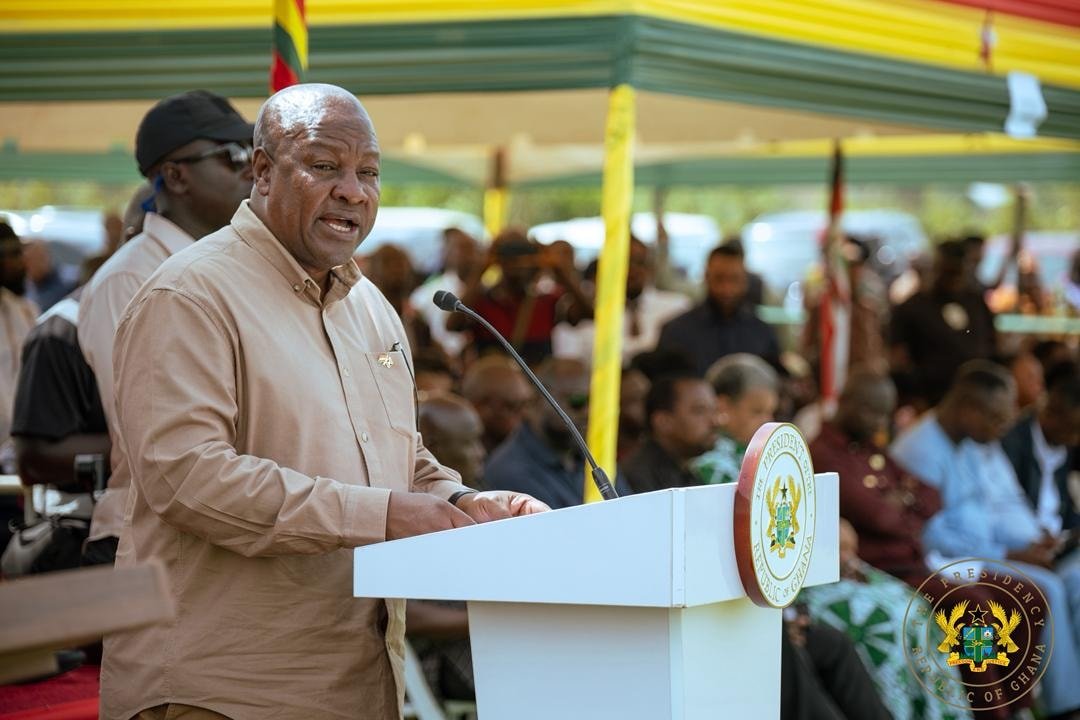
President John Dramani Mahama has announced a major state-backed housing intervention aimed at easing home ownership for Ghanaian workers, unveiling a GHS1.5 billion district housing scheme priced strictly in cedis and supported by low, single-digit interest rates.
The announcement was made at the sod-cutting ceremony for the historic Ho Oxygen City Housing Project in the Volta Region, where the President outlined a long-term strategy to reposition public housing as a pillar of inclusive national development.
Recalling the origins of the Tema Development Corporation, President Mahama said the institution was established by Ghana’s first President, Dr. Kwame Nkrumah, specifically to drive district housing.
He explained that his administration is returning to that original mandate by committing a dedicated annual allocation of GHS500 million to TDC for the next three years. “So over the next three years, 1.5 billion cedis is going to be put into the district housing scheme and what we call the Own a Home Project,” he said.
According to the President, the scheme is designed primarily for Ghanaian workers who have traditionally been locked out of the housing market due to dollar pricing, high interest rates, and short repayment periods.
Teachers, nurses, doctors, civil servants, and other public sector workers are expected to be the main beneficiaries. Under the plan, government will construct the houses and offer them to workers on long-term payment arrangements spanning between 15 and 20 years.


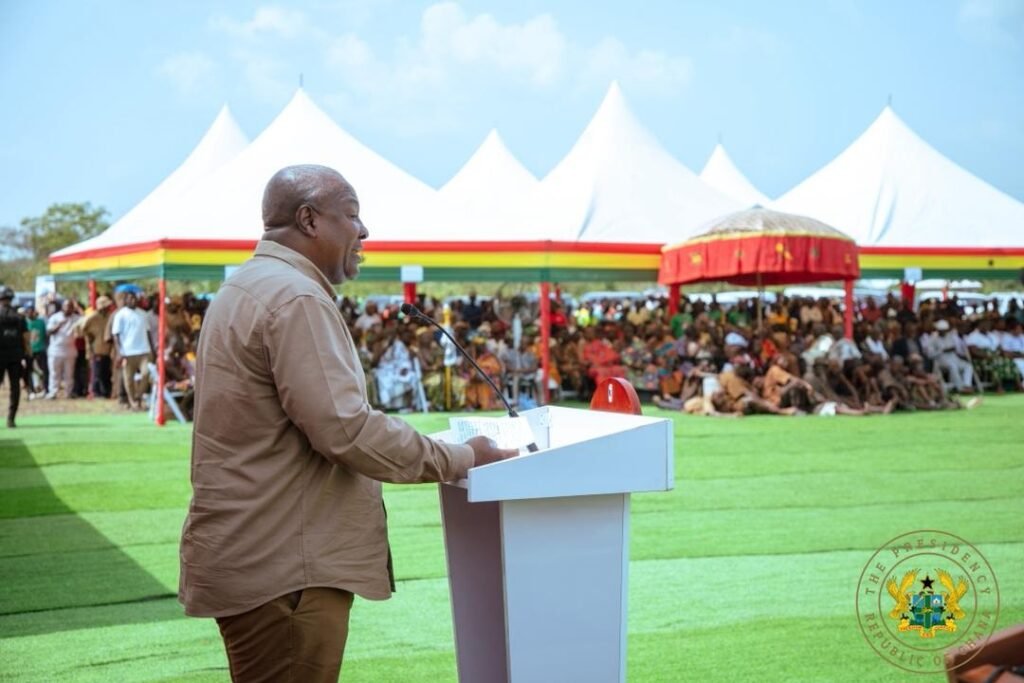
President Mahama explained that repayments will be structured in a way that aligns with workers’ incomes, with monthly deductions made directly from salaries. “By the time you are going on retirement, you have finished paying for the house and you have a house to go to when you retire,” he said, stressing that the policy is intended to provide security and dignity for workers after years of public service.
Pricing in Cedis
A key feature of the scheme, the President emphasised, is that house prices will be denominated entirely in Ghana cedis rather than foreign currency. He described this as a deliberate break from past housing models that exposed buyers to exchange rate volatility.
He further noted that interest rates under the scheme will be kept at single-digit levels to ensure affordability. “The interest rates are going to be very low, single-digit interest rates, and so it’s going to be affordable for our workers to be able to acquire before they go on retirement,” he said.
The announcement was made against the backdrop of the Ho Oxygen City project, which President Mahama described as a model for the type of integrated urban development his administration wants to replicate across the country.
He noted that housing challenges cannot be addressed in isolation and must be tackled alongside infrastructure, social services, and economic opportunities. Projects such as Oxygen City, he said, demonstrate how coordinated planning can deliver complete communities rather than isolated housing estates.
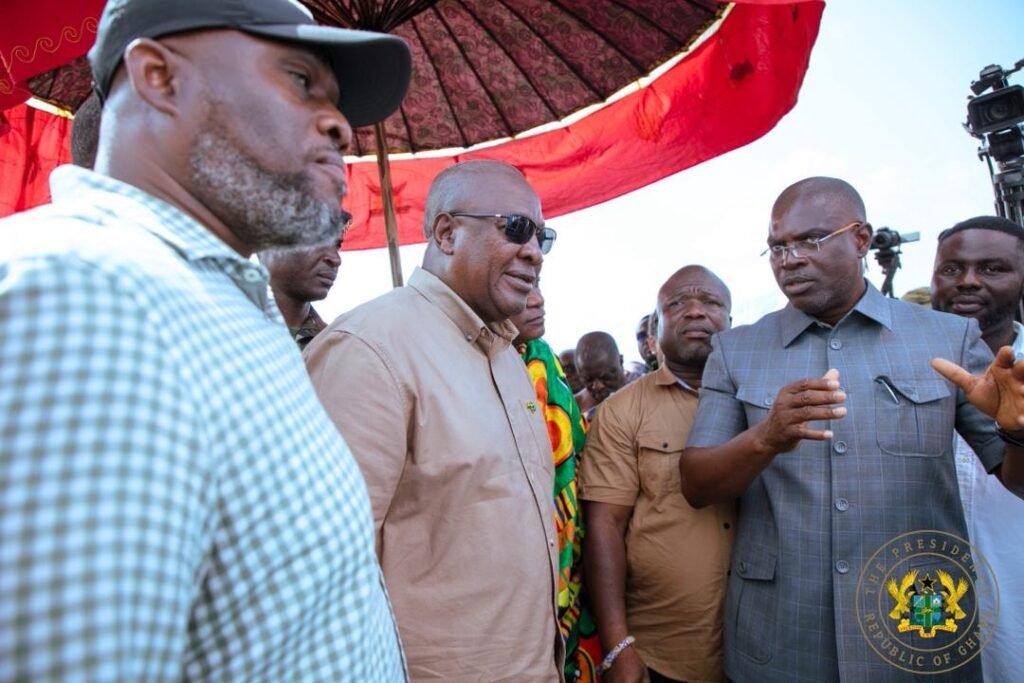
The President expressed appreciation to the Volta Regional Minister, the Regional Coordinating Council, the Municipal Assembly, traditional authorities, and the people of Adaklu for their cooperation in bringing the project to life.
He acknowledged that access to land and community support remain critical to the success of housing developments and said such partnerships will be deepened under his government.
Reset Agenda with Reforms in House Financing
Situating the housing investment within his broader RESET Agenda, President Mahama said the government will pursue reforms in housing finance, strengthen land administration systems, promote credible public-private partnerships, and invest in supporting infrastructure nationwide.
He explained that the goal is to make integrated, well-planned communities the standard across Ghana rather than isolated exceptions concentrated in a few urban centres. “Our aim is simple; to ensure that integrated, well-planned communities like Oxygen City become the norm across Ghana and not the exception,” the President said.
He added that balanced regional growth remains central to his administration’s vision, with housing development seen as a practical tool for spreading economic opportunity and reducing pressure on major cities.
The district housing scheme is also expected to contribute to job creation, both directly through construction and indirectly through supporting industries such as building materials, transport, and local services.
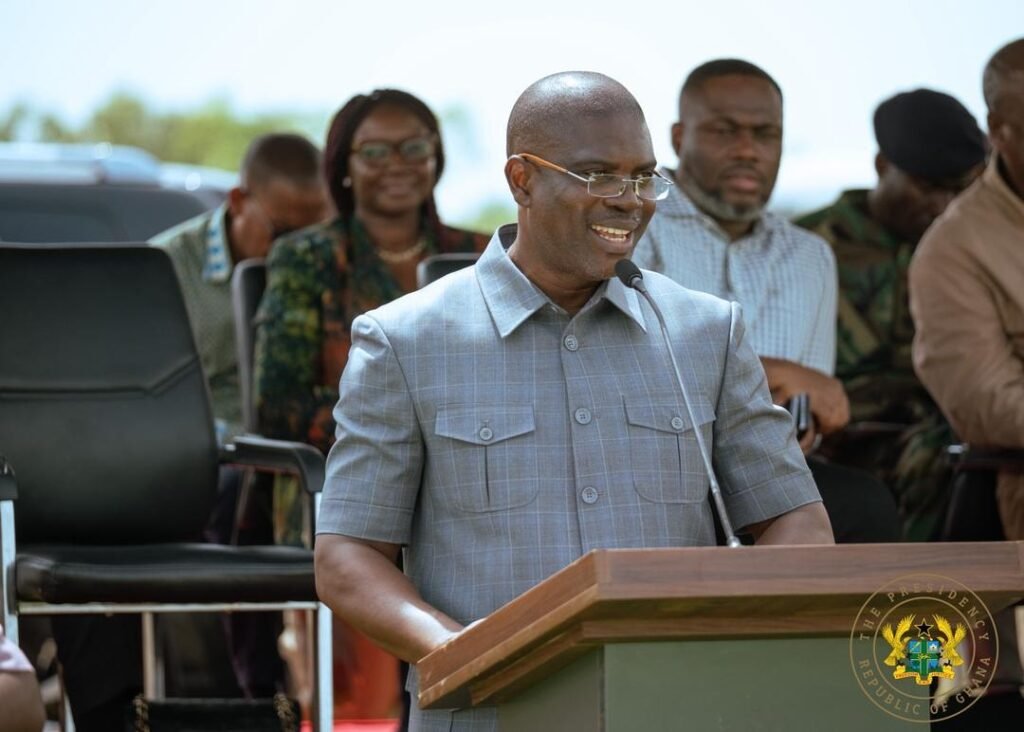
By anchoring the programme within existing state institutions and financing it in local currency, the President suggested the policy would be more resilient and better aligned with Ghana’s economic realities.
As Ghana continues to grapple with a significant housing deficit that disproportionately affects working families and young professionals, the GHS1.5 billion commitment signals a renewed state role in addressing the challenge.
President Mahama concluded by reaffirming that development must translate into tangible benefits for ordinary citizens, noting that access to decent and affordable housing remains one of the clearest measures of a government’s commitment to social equity.
With the launch of the Ho Oxygen City project and the broader district housing scheme, the government says it is laying the foundation for a housing model that prioritises affordability, long-term security, and balanced national development.
READ ALSO: Cedi to Break Winds as Year Ends in an Astounding Performance