Hon. Samuel Okudzeto Ablakwa, Ghana’s Minister for Foreign Affairs, has positioned the quest for reparative justice as a non-negotiable cornerstone of the nation’s foreign policy, calling for a decisive shift from symbolic rhetoric to coordinated international action.
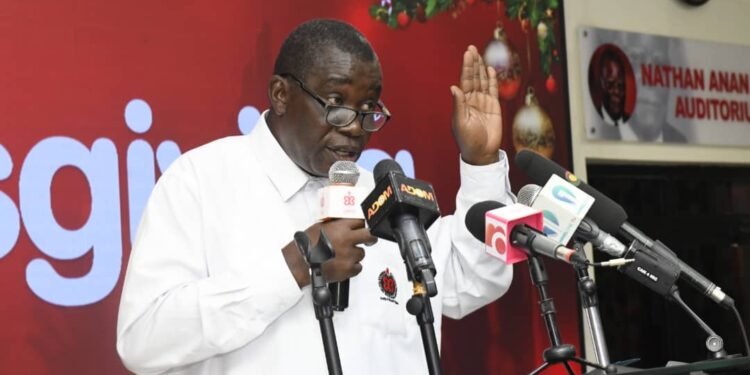
Addressing a high-level audience at the Diaspora Summit 2025, themed “Resetting Ghana: The Diaspora as the 17th Region,” Hon. Ablakwa characterized the demand for reparations as a moral and historical imperative to rectify the injustice of the past.
“Let history record that this summit marked the moment when we moved beyond rhetoric to coordinated action and when we unreservedly demanded justice for the greatest sin against humanity. In so doing, we honour our ancestors by insisting that their plight be recognised, that their pain and suffering be remembered and that their dignity be restored”
Hon. Samuel Okudzeto Ablakwa, Minister for Foreign Affairs
The summit underscored a strategic pivot in Ghana’s engagement with its global citizens. By integrating the diaspora into the formal national architecture, the administration seeks to leverage the collective power of Africans abroad to confront the enduring legacies of the transatlantic slave trade and systemic dispossession.
The Minister’s address served as a rallying cry for the global African family to unite under a singular agenda of restorative justice, framing Ghana as the institutional hub for this inevitable global movement.
With the central friction regarding the reparations debate being the divide between historical acknowledgement and practical redress, Hon. Ablakwa used the summit platform to bridge this gap, asserting that “meaningful recognition of ancestral suffering is hollow without deliberate actions that empower present generations.”
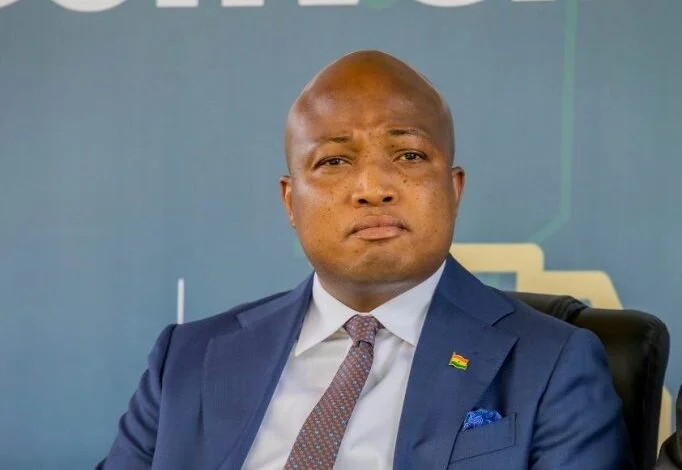
He argued that the reparations agenda is fundamentally about restoring agency and dignity to a people whose economic and social trajectories were forcibly altered by centuries of exploitation.


Under Hon. Ablakwa’s leadership, the Ministry of Foreign Affairs is positioning Ghana as the primary interlocutor for Pan-African cooperation on this issue, aligning the nation’s goals with the African Union’s broader commitment to reparative justice.
The 17th Region
Hon. Ablakwa’s “Resetting Ghana” narrative at the summit hinged on the conceptualization of the diaspora as the “17th Region.”
This vision seeks to institutionalize diaspora engagement beyond mere remittances, transforming global Ghanaians into active partners in governance, innovation, and justice advocacy.
The Minister noted that this engagement is essential for confronting inherited trauma by transitioning from a passive relationship with the diaspora to a structured, mutually beneficial partnership.
By designating the diaspora as a formal region, the government is signaling that reparative justice is not just an external demand made of Western powers, but an internal process of reconnection and unity.
“We may be the answers to the prayers of our ancestors, but our children will be the beneficiaries of our refusal to be defined by the wounds of the past and our strength to join forces as one global African family with a collective purpose.
“Together, let us reaffirm that Africa’s right is not only inevitable, it has already begun here in Accra”
Hon. Samuel Okudzeto Ablakwa, Minister for Foreign Affairs
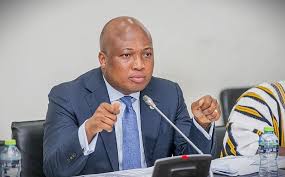
The Minister underscored that Ghana’s role in the global movement is strategic; by hosting this dialogue, the country reinforces its historic position as a homeland for Pan-African identity, stressing that the demand for justice is rooted in a “renewed global African consciousness,” that refuses to ignore the long-term impacts of colonialism and racial violence.
The Ministry of Foreign Affairs signaled that this summit is merely the beginning of a sustained diplomatic push as the focus will now shift toward building international coalitions that can turn these demands into tangible outcomes, ranging from cultural renewal to economic redress.
“The time has come to move beyond symbolic commitments and adopt practical, coordinated measures to address the legacy of the transatlantic slave trade and its far-reaching consequences.
“Meaningful recognition of the suffering endured by ancestors must translate into deliberate actions that preserve their memory while empowering present and future generations”
Hon. Samuel Okudzeto Ablakwa, Minister for Foreign Affairs
As the summit concluded, the “Accra mandate” on reparations stands as a definitive marker for Ghana’s diplomatic agenda. Hon. Ablakwa’s insistence that the right to justice has “already begun” places the responsibility on both the state and the diaspora to maintain the momentum generated in the capital.

With the “17th Region” now a formal pillar of the national reset, the push for reparative justice has moved from the periphery of activist circles to the center of West African diplomacy, setting the stage for a contentious and high-stakes engagement with the international community in 2026.
READ ALSO: Major OMCs Begin Festive Season Fuel Price Reductions