Republic of Ghana and Republic of Namibia have moved to solidify a strategic bilateral partnership aimed at enhancing the governance and sustainable oversight of their respective natural resource sectors.
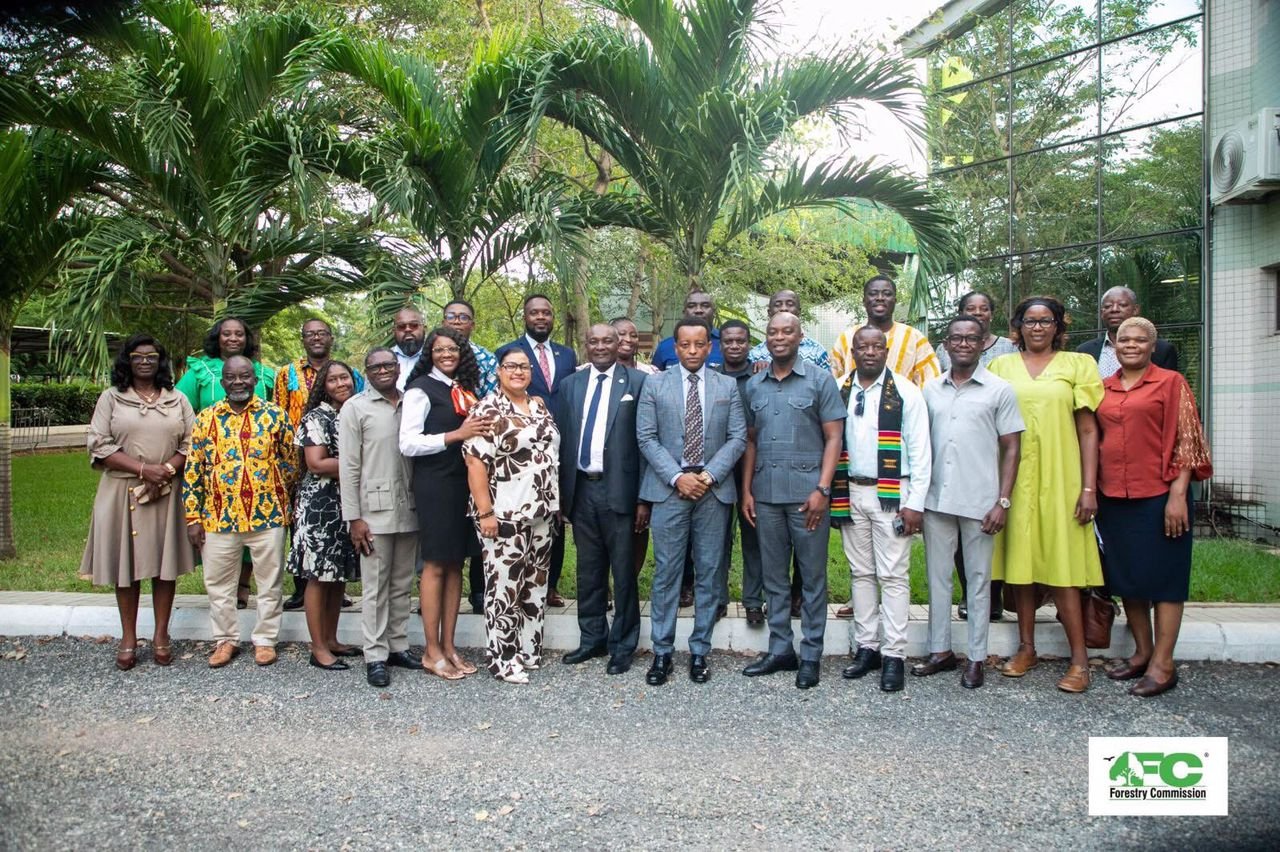
This initiative was catalyzed by a high-level working visit from a 10-member Namibian Parliamentary delegation to the Forestry Commission of Ghana, where both nations committed to exchanging technical expertise and policy frameworks.
By aligning their institutional strengths, the two countries seek to address the complexities of managing extractives, timber, and wildlife within a modern African economic context.
“The visit aimed to strengthen bilateral cooperation and exchange best practices in the governance and sustainable management of natural resources. Africa has a responsibility to sustainably regenerate and scientifically enhance its natural resources for future generations. This engagement marks the beginning of sustained mutual cooperation between our two nations.”
Forestry Commission

This diplomatic engagement served as a pivotal component of a comprehensive educational tour conducted by the Standing Committee on Natural Resources of the Parliament of Namibia.
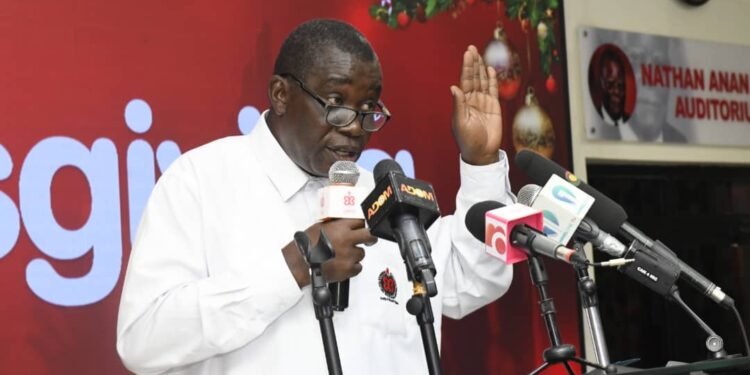
During the deliberations in Accra, the Chief Executive of the Forestry Commission, Dr. Hugh Brown, underscored Ghana’s century-long legacy in forestry administration, which provides a robust template for integrated resource management.
The partnership is expected to bridge gaps in cross-border environmental governance, particularly as Namibia looks to Ghana’s structured divisions Forest Services, Wildlife, and Timber Industry Development to refine its own legislative oversight of fisheries, mining, and emerging green industries.


Institutional Synergies in Extractive Governance

A central theme of the bilateral exchange was the integration of forestry preservation within the broader mining and extractive landscape.
As an extractive expert observes, the role of the Forestry Commission extends far beyond timber; it serves as a critical regulator in the mining value chain.
In Ghana, the Commission is mandated to issue “Forestry Entry Permits,” a prerequisite for any mineral exploration or exploitation within protected zones.
This ensures that mining activities do not proceed without rigorous environmental impact assessments and reclamation bonds. By sharing these “governance systems and best practices,” Ghana offers Namibia a blueprint for balancing industrial mineral extraction with the preservation of biodiversity.
The delegation, led by Dr. Tobie Ocean Aupindi, MP, expressed specific interest in how Ghana utilizes “policy and law to create opportunities for citizens” while maintaining ecological integrity.
Ghana’s Natural Forest Director of Operations, Mr. Yaw Kwakye, detailed how the Commission manages the “red-zone reserves” through joint military operations to halt illegal mining.
This proactive security stance is vital for Namibia, a nation rich in uranium and diamonds, as it seeks to prevent the environmental degradation often associated with unregulated artisanal mining.
The cooperation thus provides a platform for both nations to discuss “mitigation measures” for common challenges like logistical constraints and security risks in remote resource-rich areas.
Advancing Africa’s Green Economy through FLEGT and REDD+

The partnership also highlights Ghana’s leadership in international environmental standards, specifically its milestone as the first African nation to commence Forest Law Enforcement, Governance and Trade (FLEGT) licensing.
This legal timber regime, established under the European Union’s framework, ensures that all exported wood products are 100% legal and traceable.
For Namibia, which manages vast communal conservancies and a growing tourism sector, Ghana’s success with FLEGT and the REDD+ program provides a “scientific enhancement” model for resource valuation.
These initiatives demonstrate how African states can leverage international climate finance to fund “restoration and tree-planting” efforts.
To symbolize the permanence of this alliance, the delegation participated in a commemorative tree-planting exercise at the Ghana Seismological Centre, where Khaya senegalensis (mahogany) seedlings were planted.
This act reflects the “Tree for Life Initiative” and the shared vision of regenerating depleted landscapes.
As both nations face the pressures of climate change and rising global demand for minerals, this cooperation strengthens their collective bargaining power on the global stage.
It ensures that “Africa’s founding fathers’” dreams of resource sovereignty are realized through modern, data-driven, and transparent management systems that protect the continent’s wealth for posterity.
READ ALSO: IMF Approves US$385m After Reaching Staff-Level Agreement on Fifth Review