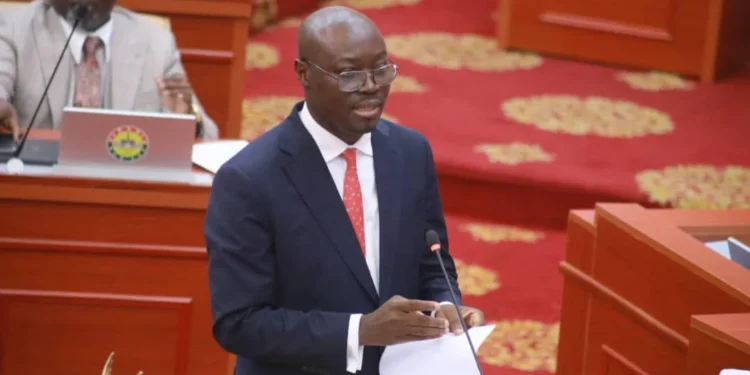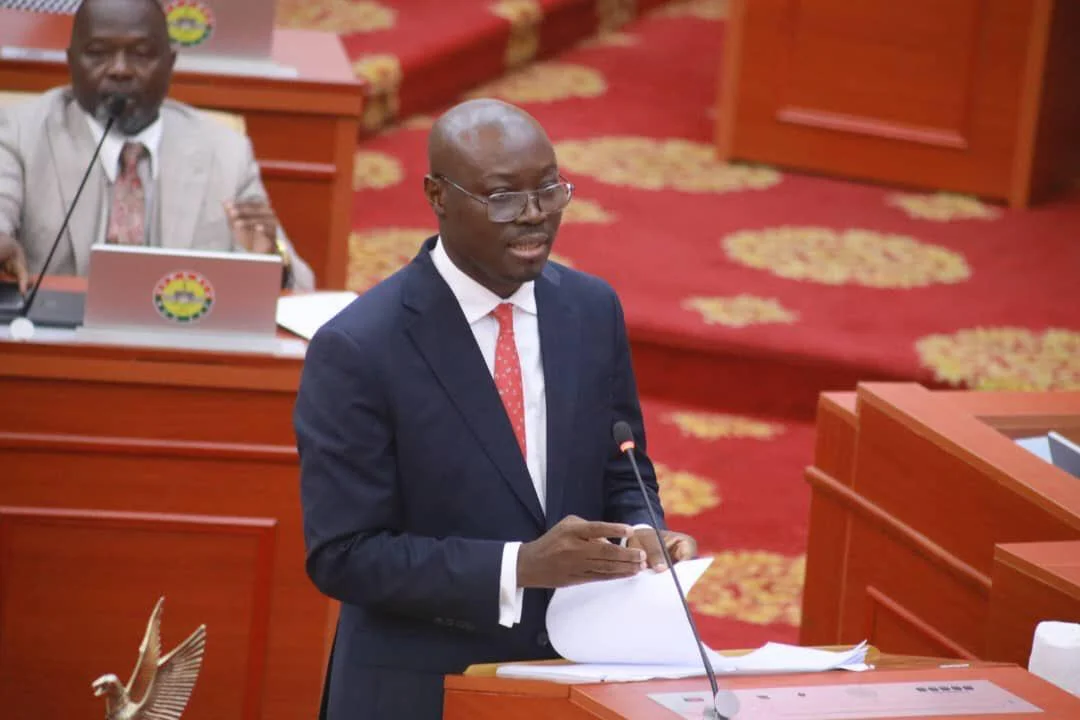
Dr Cassiel Ato Forson, Minister of Finance, has declared that the government will maintain financial prudence in 2026 as revealed in the 2026 Budget.
Speaking during the debate on the Appropriation Bill on the floor of Parliament, Dr Forson clarified the government’s stance on spending, stressing that the government will not deviate from the 2026 Budget but will ensure that its spendings are prudent to engineer growth in the productive sectors.
He again clarified that nowhere in the 2026 Budget shows that the government will borrow from the Bank of Ghana to finance its expenditure. He assured that the government will be faithful to its promises.
“From the budget before us, it is clear that we will not borrow from the Bank of Ghana in 2026 – that is prudent.”
Dr Cassiel Ato Forson, Minister of Finance
The government of Ghana, through the Ministry of Finance, has this year prioritized financial prudence and fiscal discipline as the pillar of its economic policy, within the framework of the IMF-supported program.
Data reveals that the management efforts of the government, led by the Finance Minister has produced positive results. This allowed the government to reduce its debt vulnerabilities and spend in strategic sectors of the economy, such as the infrastructure sector. The government has been prudent in spending across all sectors through significant financial consolidation and will be prudent in 2026, Dr Forson affirms.
Government Public Debt Servicing
While contributing to the debate, he declared that the government is spending GhȻ 59 billion in its debt servicing alone. The government remains committed to servicing its debt at the scheduled due date, he stated.


“It is wrong for anyone to speculate that Ghana is not servicing its debt. This year alone, we are spending GhȻ 59 billion in servicing our debts.”
Dr Cassiel Ato Forson, Minister of Finance
Prudent debt management practice is a priority for the government to ensure a complete restoration of the economy and propel its gains into stability. The appreciation of the Cedi has aided the ongoing domestic and external debt restructuring efforts, which have saved the country billions in debt service payments.
Government Infrastructure Spending
The Finance Minister insisted that the government is not indulging in ‘business as usual,’ therefore, some claim the government is not spending. The government is spending over GhȻ 50 billion on infrastructure projects this year, most of which have already been disbursed to the appropriate sector.
“This government is spending big on infrastructure; GhȻ 57 billion allocated for that. Also, GhȻ 29.8 billion will be used for paying arrears.”
Dr Cassiel Ato Forson, Minister of Finance
The Finance Ministry has disclosed its allocation to its large infrastructure project under the ‘Big Push’ initiative to bridge the country’s critical infrastructure deficit and stimulate long-term growth. Ghana’s infrastructure demands remain substantial, the Ministry has mentioned.
“Estimates suggest the country needs US$ 37 billion annually for the next 30 years to meet development goals across sectors. Maintaining existing infrastructure alone is expected to cost an additional US$ 8 billion annually.
Ministry of Finance
The Deputy Minister of Finance has also emphasized that “our cities need better transport, our industries require dependable energy, our farmers need modern irrigation, and our youth demand digital highways for the future.”

According to the Minister, the government recognizes the need for urgent infrastructure and is prudently spending to meet the needs of all priority sectors.
Supporting Prudent Spending
According to the Dr Ato Forson, the government, in pursuing financial prudence, has put in certain measures to ensure continuous prudence, yet expenditure in the real sector to increase productivity.
The government has triggered a significant number of tax reforms to increase the government’s revenue and capacity to spend in key areas for economic growth. The government is focused on optimizing domestic revenue through various tax reforms.

The government, after abolishing what they refer to as ‘nuisance taxes,’ is focused on broadening the tax base and improving compliance through the mandatory use of digital technology in tax administration.
Dr Cassiel At Forson, therefore, has assured stakeholders, Parliament, and all Ghanaians that fiscal discipline will be sustained, while remaining the government’s determination to avoid a recurrence of unsustainable debt levels.
READ ALSO: Ghana Cocoa Board Missed the Cocoa Bonanza as Global Prices Hit Record Highs – Randy Abbey Laments