A coalition of 17 prominent Civil Society Organizations (CSOs) has issued a resounding commendation to the Government and Parliament following the successful revocation of the Environmental Protection (Mining in Forest Reserves) Regulations, 2022 (L.I. 2462).
This legislative reversal, which occurred after the mandatory 21 sitting days in Parliament concluded without intervention, effectively annuls a regulation that environmentalists argued had placed the nation’s most sensitive ecological zones under siege.
The move is being hailed as a critical victory for environmental governance, particularly following the advocacy of Hon. Emmanuel Armah-Kofi Buah, who, in his dual capacity as Minister responsible for Lands and Natural Resources and Acting Minister responsible Environment, Science, and Technology, spearheaded the annulment process on October 31.
“We commend the Government and Parliament for revoking L.I. 2462, a regulation that exposed our forest reserves, including ecologically sensitive and biodiversity-rich areas, to mining. This repeal is a major step toward safeguarding Ghana’s forests for present and future generations. Together, we have contributed our quota to give forests a chance.”
Concerned CSOs
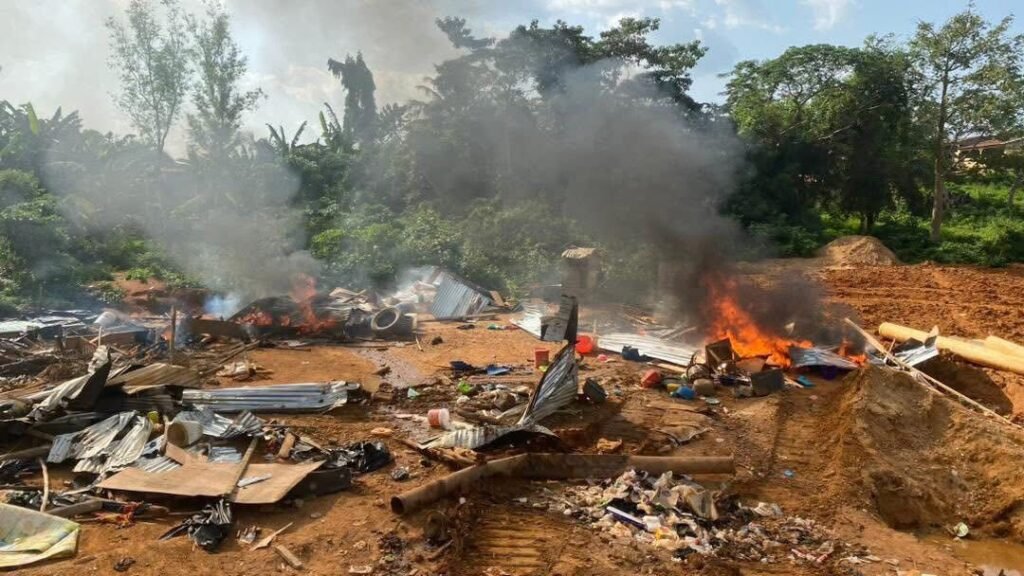
The revocation of L.I. 2462 signals a strategic shift in the “Reset Agenda” of the John Mahama led administration, addressing long-standing concerns that the regulation prioritized extractive interests over ecological preservation.
Industry experts note that the 2022 instrument had fundamentally undermined Ghana’s Forest Development Master Plan (2016–2036), which aims to phase out all mining in forest reserves by 2036.
By removing the legal pathway that allowed mining in Globally Significant Biodiversity Areas (GSBAs), the government has realigned the country with its international obligations under the Paris Agreement and the Convention on Biological Diversity.


This legislative U-turn is expected to bolster the state’s capacity to protect water towers and carbon sinks that are vital for the nation’s climate resilience and the livelihoods of forest-fringe communities.
The Devastating Legacy of L.I. 2462
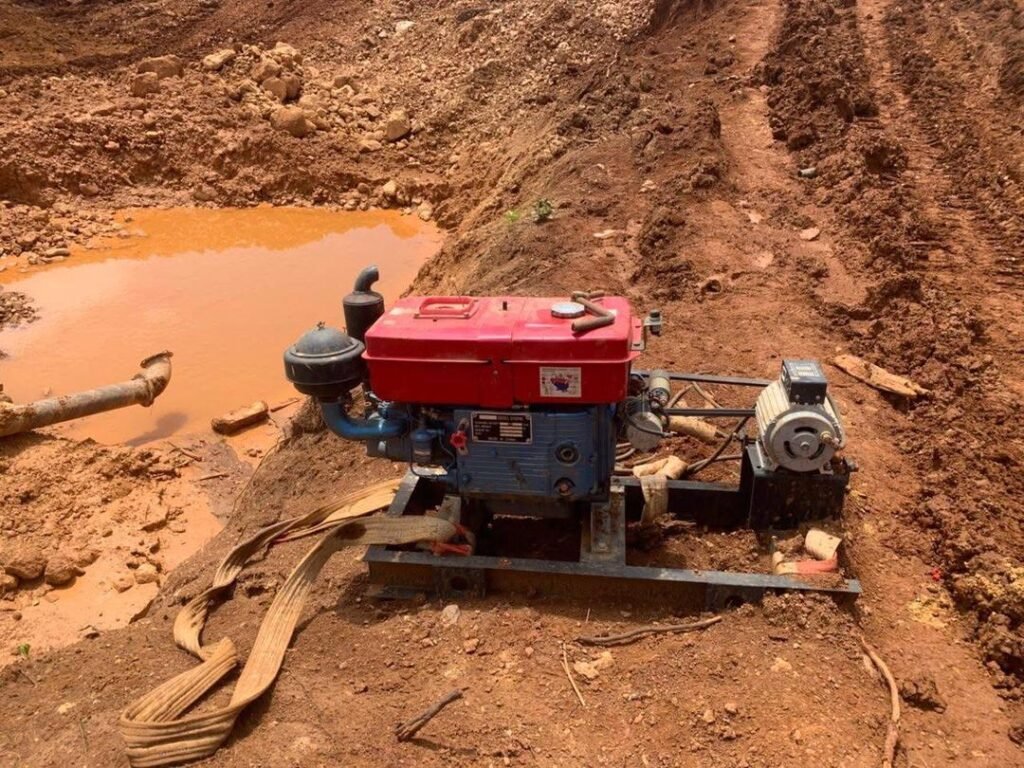
The introduction of L.I. 2462 in 2022 marked a “retrogressive era” in Ghana’s environmental history, leading to an unprecedented expansion of mining footprints within protected areas.
Before its enactment, only 2% of gazetted production forest areas were legally open to a limited number of large-scale miners, ensuring that 98% of the forest estate remained off-limits.
However, the 2022 regulation shifted this balance dramatically, exposing approximately 89% of forest reserves to mining interests.
The Concerned CSOs, pointed out that this legal loophole allowed “over 50 out of 288 forest reserves to fall under serious siege,” as mineral concessions were granted at a record pace.
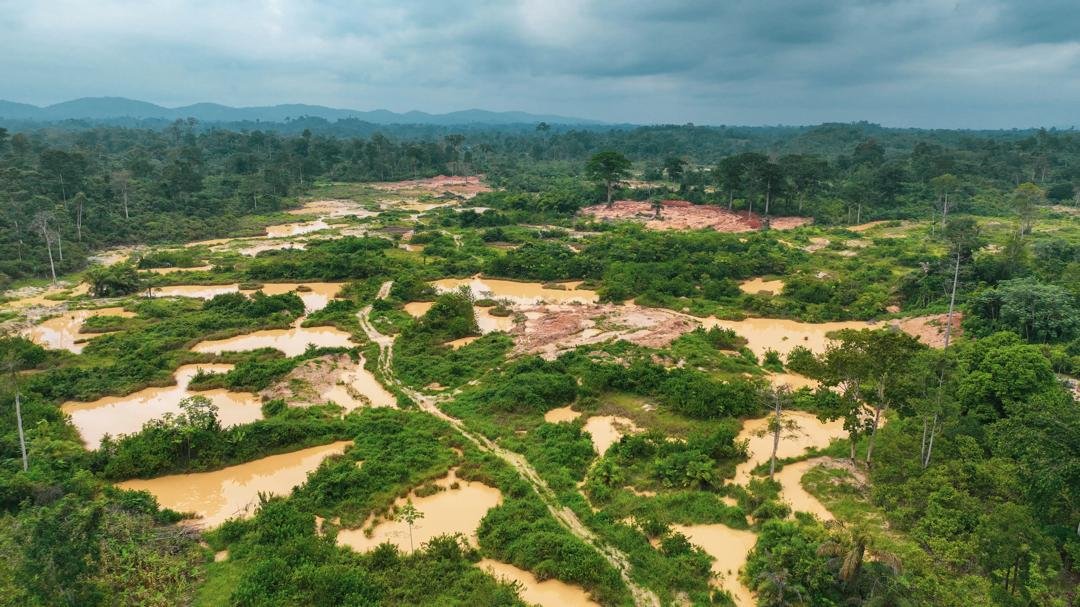
The ecological toll has been severe, with recent data showing that illegal mining expanded astronomically in some reserves between 2022 and 2023.
This rapid degradation resulted in a decline in forest cover in certain zones and the complete loss of carbon stocks in heavily mined areas.
Even after a partial amendment in early 2025, nearly 80% of forests remained at significant risk. The revocation is therefore seen as an emergency intervention to stop the “bleeding” of natural resources that protect critical sources of clean water and biodiversity.
Impact on the Fight Against Galamsey
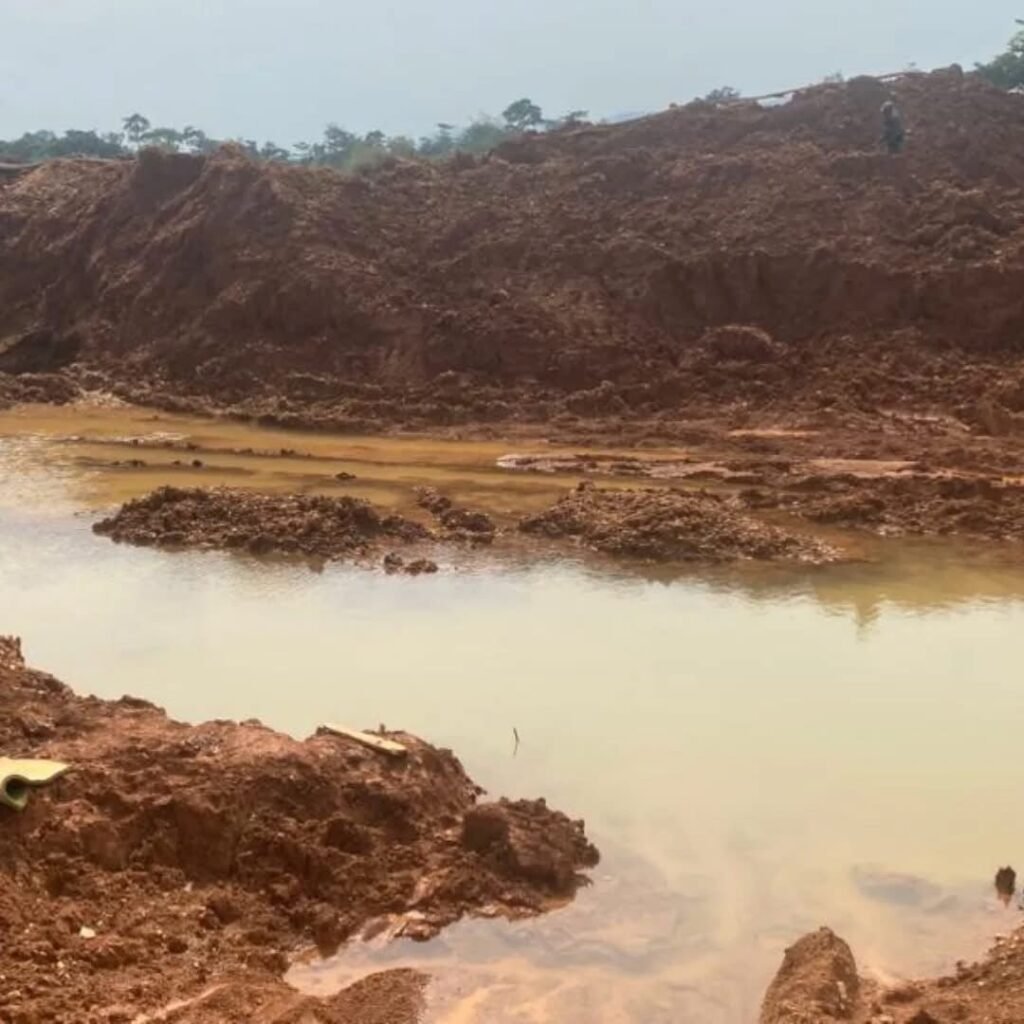
By annulling L.I. 2462, the government has removed the “legal veneer” that often blurred the lines between regulated mining and illegal activities, commonly known as galamsey.
This clarity is essential for enforcement agencies, as it restores the categorical prohibition of mining in reserves.
“The repeal represents one of the most significant and progressive legislative reversals,” the CSOs noted, stressing that it strengthens the hands of the Forestry Commission to act without the ambiguity created by conflicting regulations.
This legislative victory is expected to catalyze a more aggressive “National Forest Protection Strategy.”
With the legal path to forest mining closed, the state can now focus on the “Tree for Life” restoration program and the mapping of degraded areas for reforestation.
The revocation also supports the Forestry Commission’s goal of transitioning into a para-military institution, better equipped with drones and surveillance technology to tackle the “modern-age threats” of artisanal encroachment and illegal logging that persist despite the change in law.
Recommendations for Sustainable Forest Management
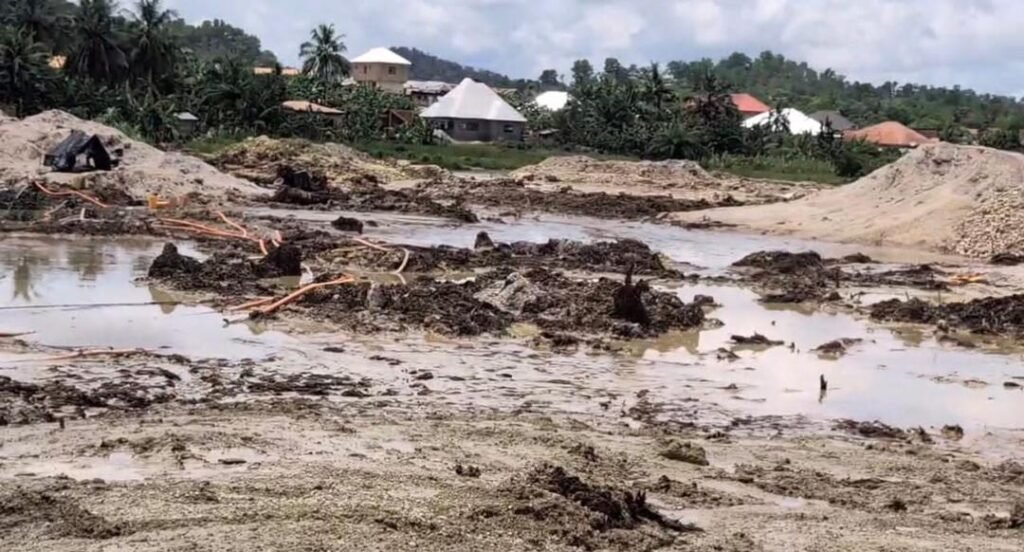
While celebrating the repeal, the Concerned CSOs, including A Rocha Ghana and the Coalition Against Galamsey, insist that the work is far from over.
They are calling for a formal review of the Minerals and Mining Act (Act 703) to explicitly and permanently ban mining in forest reserves, ensuring that no future administration can easily reverse these gains.
Furthermore, the coalition emphasizes the need for a “paradigm shift” toward mining practices that do not require the destruction of biodiversity or the pollution of water bodies.
To ensure the long-term integrity of the forest estate, the organizations urge the government to implement the recommendations published by the Forestry Commission on December 15, 2025.
This includes upgrading the capacity of forest guards and establishing 34 new protection camps in hotspots across the country.
As Ghana moves toward a greener future, the CSOs remain vigilant, stating that “action must now follow commitment” to ensure that every policy reflects the nation’s urgent social and climate priorities.
READ ALSO: Suhum Case: High Court Dismisses NDC’s “Frivolous” Election Petition