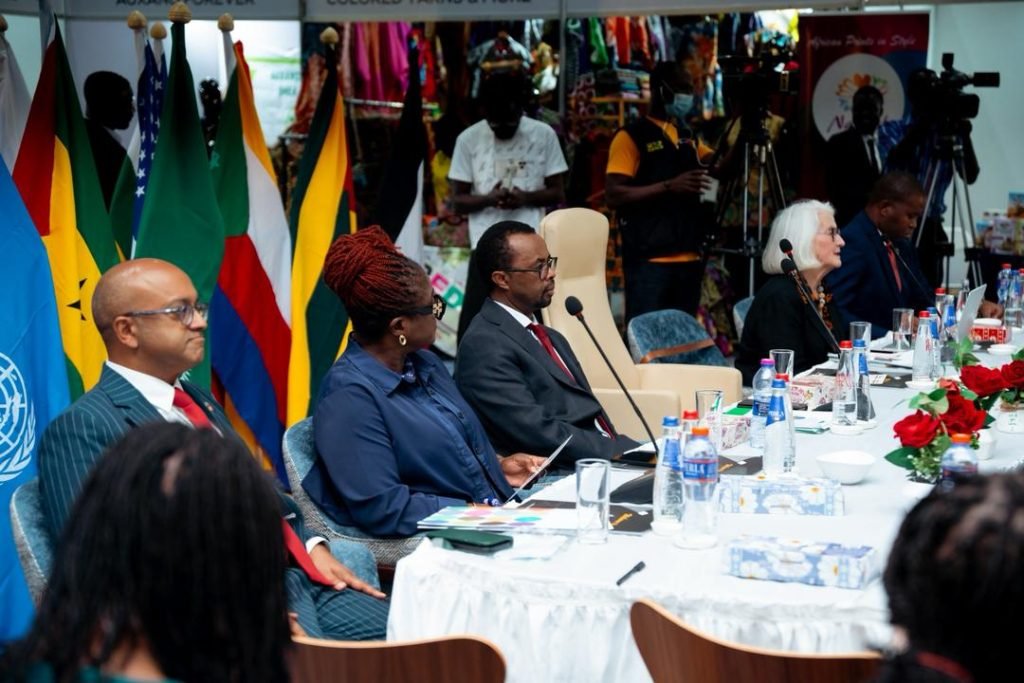
Africa and the Global South have been urged to reposition themselves from the margins of the global economy and assert their place as equal partners in shared prosperity.
This call was made at the 9th annual meeting of the Ghana International Trade and Finance Conference held in Accra, where policymakers, academics, students, and international stakeholders converged to confront the continent’s enduring debt challenges. The conference stressed that Africa’s future economic relevance depends on its ability to shed a long-standing debtor narrative and actively shape global financial systems.
The three-day meeting was convened under the theme, “The 2 Global Debt Initiative and the Inaugural of GITFiC-AfCFTA Tertiary Students’ Congress,” reflecting a dual focus on debt sustainability and the strategic role of education in advancing intra-African trade. A communique issued at the end of the conference emphasised that Africa and the Global South must no longer be perceived as passive recipients of aid but as credible partners capable of contributing meaningfully to global growth.
Reimagining Debt and Shared Prosperity
Central to the discussions was the Global Debt Initiative, which GITFiC promoted as a comprehensive framework for facilitating debt relief while ensuring long-term sustainability. The communique underscored the importance of transparency, equity, and accountability in debt management practices across African nations. According to the conference, debt restructuring efforts must move beyond short-term fixes and address structural weaknesses that perpetuate financial vulnerability.
Participants agreed that the current global financial architecture often exacerbates inequality rather than alleviating it. As a result, the meeting advocated for ethical dimensions of economic reform, arguing that financial systems should be grounded in justice, inclusivity, and compassion. The communique noted that financial structures must serve humanity and development goals rather than deepen existing disparities between nations.
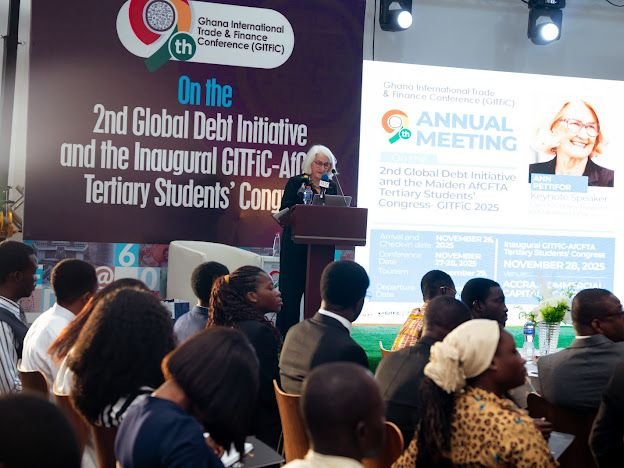
A major highlight of the conference was the launch of the GITFiC-AfCFTA Tertiary Students’ Congress, which placed youth and education at the heart of Africa’s economic transformation. Delegates stressed that Africa’s demographic advantage could become its greatest liability if young people are not adequately prepared for leadership roles in trade and economic governance.


To address this gap, the conference resolved to integrate AfCFTA-focused curricula into tertiary institutions across the continent. There were also commitments to introduce AfCFTA education at the senior high school level to ensure early exposure and understanding. These measures aim to equip the next generation with practical skills needed to drive intra-African trade, innovation, and sustainable growth under the African Continental Free Trade Area framework.
Climate, Finance, and Sustainable Development
Beyond debt and trade, the conference highlighted the urgent need to align financing strategies with climate resilience and sustainable development goals. Participants noted that African countries are disproportionately affected by climate-related disasters, which further strain already fragile economies. The communique therefore recommended the establishment of institutional frameworks for equitable debt treatment, particularly for nations impacted by environmental shocks.
It also called for the operationalisation of the African Payments Union and stronger engagement between a proposed Borrowers Club and global creditors. Such mechanisms, according to GITFiC, would strengthen Africa’s bargaining power and reduce dependency on external financial systems that often dictate unfavourable terms.
The meeting featured high-level contributions from global and regional thought leaders. UK economist and Jubilee 2000 campaign leader Ann Pettifor reinforced the moral case for debt justice, stressing that unsustainable debt undermines democracy and development. Her remarks resonated with calls for a restructured global financial order that reflects the realities of developing economies.
The African Development Bank was represented by its Chief Economist, Zerihun Gudeta Alema, who delivered a message on behalf of the institution’s leadership. He reaffirmed the Bank’s commitment to supporting sustainable financing and policy reforms across the continent. A representative of the United Nations Secretary-General also added weight to the discussions, signalling growing international recognition of Africa’s demands for fairness in global finance.
As the conference concluded, delegates committed to reinforcing collaboration among governments, multilateral institutions, academia, and the private sector. There was a shared resolve to institutionalise debt transparency and governance reforms while empowering youth as transformative agents of change.
READ ALSO:Ghana’s Economic Resilience Must Persist, Not Rebound – UNCTAD