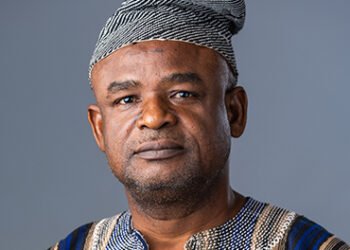
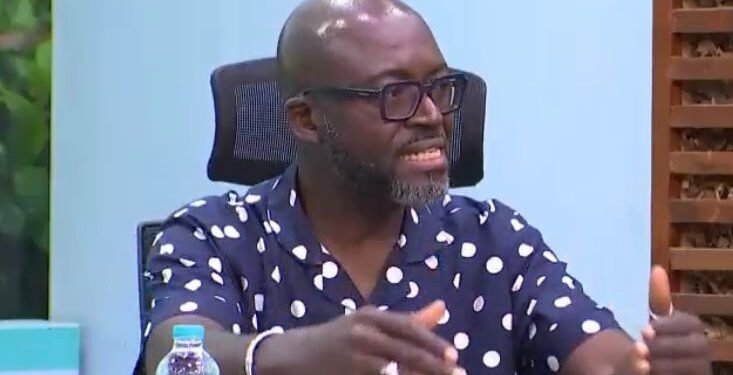
Ibrahim Adjei, a former Secretary at the Office of ex-President Nana Akufo-Addo, has issued a stark warning to Ghana’s political class, asserting that the protracted and painful Bawku-Nalerigu conflict will remain insoluble as long as it is treated as a partisan chess piece.
Speaking in a high-stakes interview, Adjei called for a total decoupling of political interests from the security enclave, arguing that the involvement of politicians has only succeeded in deepening ancestral divisions and undermining neutral peacebuilding efforts.
“If a politician enters the space pushing a political agenda, it does not help the people of Bawku. Politicians must adopt a dispassionate posture and resist the temptation to take sides”
Ibrahim Adjei, Former Assistant Secretary to the Ex-President
The appeal comes at a moment of acute escalation in the North East Region. Despite a strictly enforced dusk-to-dawn curfew, reports confirmed that four additional houses were set ablaze in Nalerigu on Saturday night.
The inability of existing security deployments to prevent arson during restricted hours has triggered a new wave of emergency measures, including a total ban on motorbikes and the traditional wearing of smocks, as authorities scramble to contain what many see as a failure of conventional enforcement.

For Mr. Adjei, the central barrier to the “green shoots of lasting peace,” is the perception that political actors are not “honest brokers,” but interested parties. He contended that once a politician enters the mediation space with a partisan agenda, the sincerity of the community dialogue is instantly compromised.
His opinion was that the resolution of the conflict belongs to the citizens of Bawku and Nalerigu, while leaders must limit their roles to providing a secure environment for credible, neutral mediation – as peacebuilding efforts stand a better chance when political actors allow affected communities to engage sincerely with neutral mediators.


Professional Mediation
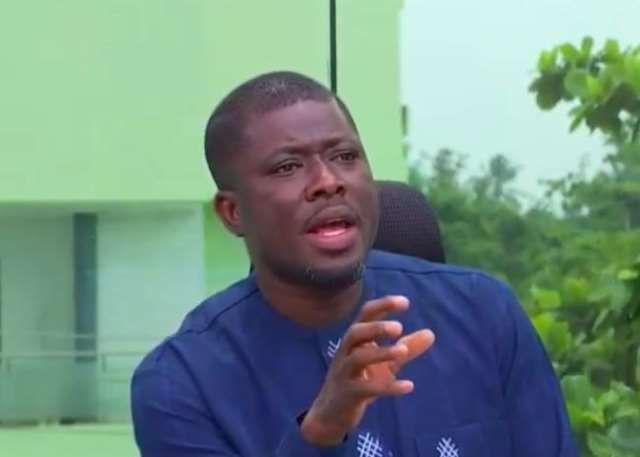
Supporting this call for a structural shift in how the state handles the crisis, Elikem Kotoko, Deputy CEO of the Forestry Commission, argued that the era of relying solely on traditional authority must now be complemented by professional mediation experts.
Mr. Kotoko’s analysis moved the debate beyond the immediate violence to the long-term “developmental paralysis,” of the region. He noted that the persistent unrest has made the enclave unattractive to essential personnel – ranging from doctors to national service members – effectively stalling the Mahama administration’s broader national development goals.
He noted that the conflict is no longer local; it is a drain on the national treasury and a “major obstacle to equitable growth.” Thus Mr. Kotoko’s call for expert-led processes aims to address the root causes that have historically eluded both political and traditional interventions.

“We need to preach to our young people to give peace a lasting chance. Conflicts in affected areas have far-reaching consequences, impacting the entire country through strained budgetary allocations and disruptions to public services.
“We need to also address those who take delight in these kinds of conflicts. We must recognise that the entire country suffers when such things happen”
Elikem Kotoko, Deputy CEO of the Forestry Commission
The latest arson attacks in Nalerigu have cast a shadow over the government’s recent endorsement of the Asantehene’s Bawku Mediation Report and the accompanying GHS 1 billion Revitalisation Fund.
While the fund is intended to restore economic vitality starting in 2026, the immediate reality on the ground is one of smoke and heightened restrictions. The ban on smocks and motorbikes signals a move toward drastic policing as the state attempts to regain the initiative in a region where curfews are increasingly ignored by determined arsonists.
The convergence of Mr. Adjei’s plea for political distance and Mr. Kotoko’s demand for professional mediation suggests a growing consensus: the current “political-military” approach is reaching its limits.
As the North East Region enters 2026 under the weight of additional restrictions, the test for all stakeholders will be whether the state can truly “decouple” itself from the conflict or if Bawku-Nalerigu remains a hostage to partisan alignment.
READ ALSO: Risk, Governance, Capital Buffers Take Centre Stage In Sweeping Banking Reforms From 2026