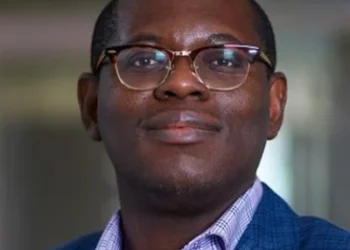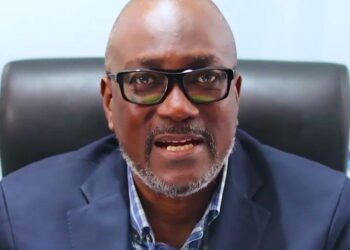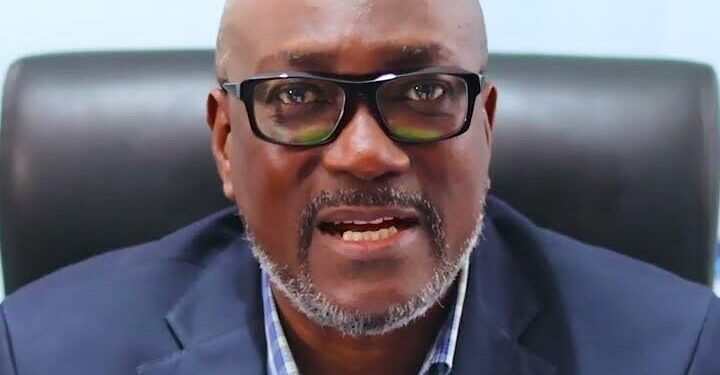
Ghana’s Attorney-General and Minister for Justice, Dr Dominic Ayine, has declared that Operation Recover All Loot (ORAL), the government’s flagship anti-corruption initiative, is progressing steadily and will enter a decisive phase in 2026.
Speaking at the Government Accountability Series, Dr Ayine warned that state agencies that fail to cooperate with investigations risk being treated as complicit in alleged crimes, underlining a hardening stance by the government as it seeks to translate high-profile investigations into courtroom-ready prosecutions.
Addressing the media, Dr Ayine said ORAL investigations were “proceeding well,” explaining that his office was focused on strengthening preliminary investigative reports to ensure that charges filed in court meet the rigorous standards of proof required in criminal trials.
He noted that while the Attorney-General’s Office plays a central role in prosecutions, its effectiveness depends heavily on timely cooperation from other state institutions that hold critical information. “The Office of the Attorney General depends on a number of state institutions for information that will lead to the filing of charges in court,” he said.
According to Dr Ayine, agencies such as the Economic and Organised Crime Office and the National Intelligence Bureau are key investigative partners, but other bodies, including the Ghana Revenue Authority, are sometimes required to confirm specific elements such as tax compliance or evasion before charges can be properly framed.
“Sometimes we’ll need agencies such as the Ghana Revenue Authority, for instance, to confirm if tax evasion has taken place before we can go on to file charges. So when these state institutions delay, it also brings some amount of delay to the filing of charges.”
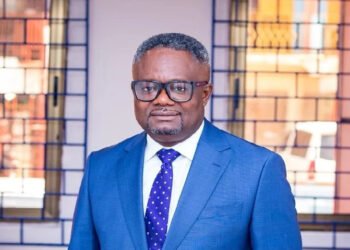
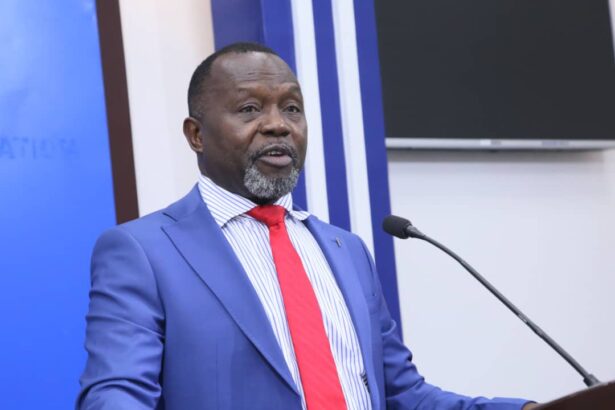
Ghana’s Attorney-General and Minister for Justice, Dr Dominic Ayine
No Obstruction or Inertia
Dr Ayine’s warning to non-compliant agencies was blunt. He said 2026 would mark a turning point in how his office responds to obstruction or inertia within the public service.


“I’m also calling upon all the state institutions that 2026 is going to be a different year. If I make demands on you and you delay, I will take the view that you are complicit in the offence that has been committed, and I’ll come after you.”
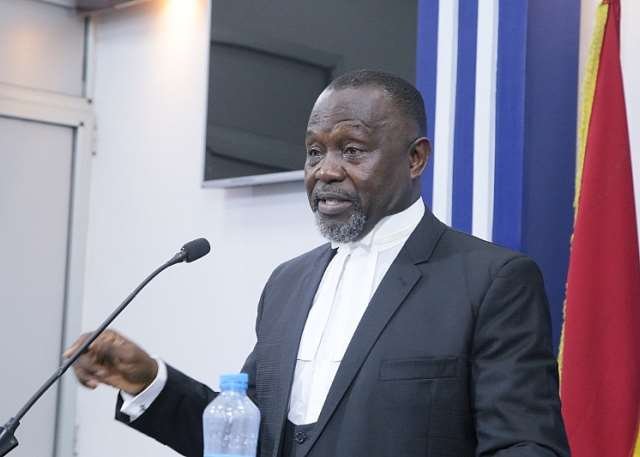
Ghana’s Attorney-General and Minister for Justice, Dr Dominic Ayine,
The Attorney-General stressed that agencies in possession of information necessary for criminal prosecutions must act without hesitation. “All state institutions that have information that is required to file criminal proceedings should not delay in providing that information to my office for purposes of conducting prosecutions,” he said.
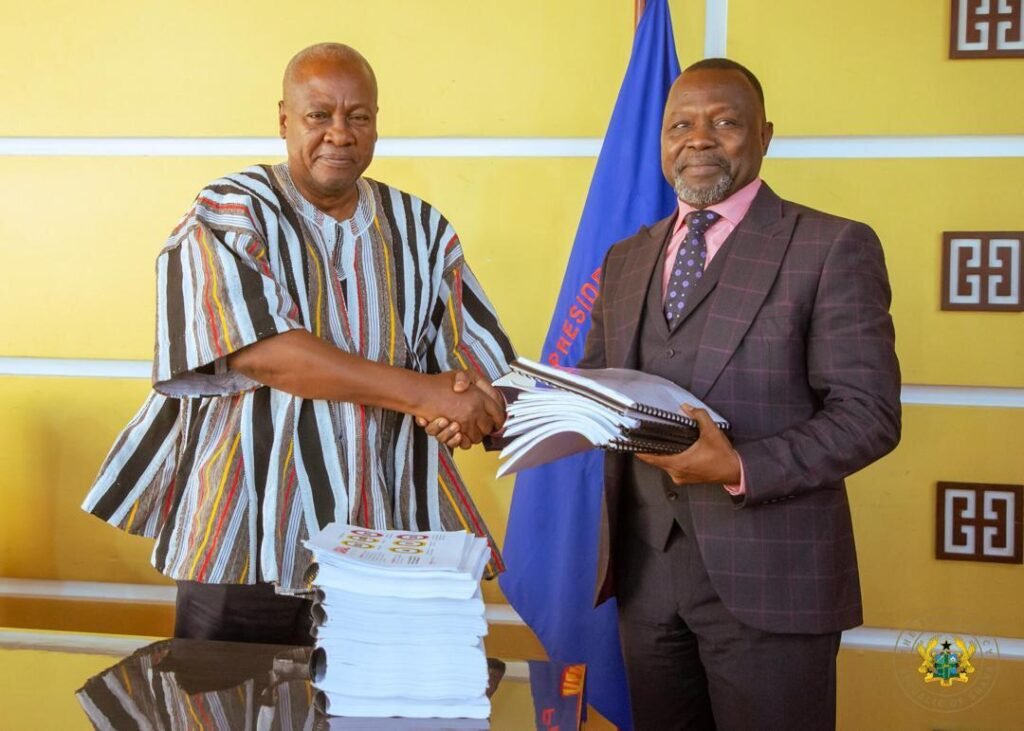
Escalation in the Government’s Accountability Drive
The statement signals a significant escalation in the government’s accountability drive, extending potential liability beyond direct suspects to public institutions accused of enabling misconduct through inaction.
ORAL, which stands for Operation Recover All Loot, is a core anti-corruption initiative of the National Democratic Congress government under President John Dramani Mahama. Launched after the party’s return to power in 2025, the programme is designed to identify, investigate, and recover state assets and funds allegedly misappropriated under the previous administration.
The initiative combines criminal prosecution with civil recovery measures aimed at reclaiming public resources. The ORAL preparatory committee, which laid the groundwork for current prosecutions, was chaired by Samuel Okudzeto Ablakwa, now Minister for Foreign Affairs.
The committee included former Auditor-General Daniel Domelevo, retired police commissioner COP Nathaniel Kofi Boakye, private legal practitioner Martin Kpebu, and investigative journalist Raymond Archer, who currently serves as Executive Director of the Economic and Organised Crime Office. In February 2025, the committee submitted its final report to President Mahama, detailing 36 cases with an estimated value of $20.49 billion.

Since then, the Attorney-General’s Office has moved to convert selected findings into prosecutions. Cases already in court include the National Service Scheme ghost names scandal and alleged irregularities at the National Buffer Stock Company, among others. Dr Ayine has consistently maintained that the objective of ORAL is not political retaliation but the recovery of state resources and the enforcement of accountability.
Nonetheless, the initiative has attracted criticism from the opposition New Patriotic Party, which has described ORAL as legally questionable and accused the government of using it as a tool for political witch-hunting. Dr Ayine has rejected these claims, insisting that prosecutions are evidence-based and subject to judicial scrutiny.
Tightening Coordination Across State Institutions
His latest remarks suggest that the government is determined to accelerate outcomes in 2026 by tightening coordination across state institutions. By threatening sanctions against agencies that delay or withhold information, the Attorney-General is seeking to eliminate what he views as institutional bottlenecks that undermine the fight against corruption.
Dr Ayine concluded his address by expressing appreciation to the media and extending seasonal goodwill, but his core message remained clear: ORAL is advancing, prosecutions will intensify, and institutional non-cooperation will no longer be tolerated.

As Ghana approaches 2026, the Attorney-General’s posture indicates that the coming year will be pivotal in determining whether the ambitious anti-corruption agenda delivers tangible legal and financial recoveries for the state.
READ ALSO: Risk, Governance, Capital Buffers Take Centre Stage In Sweeping Banking Reforms From 2026