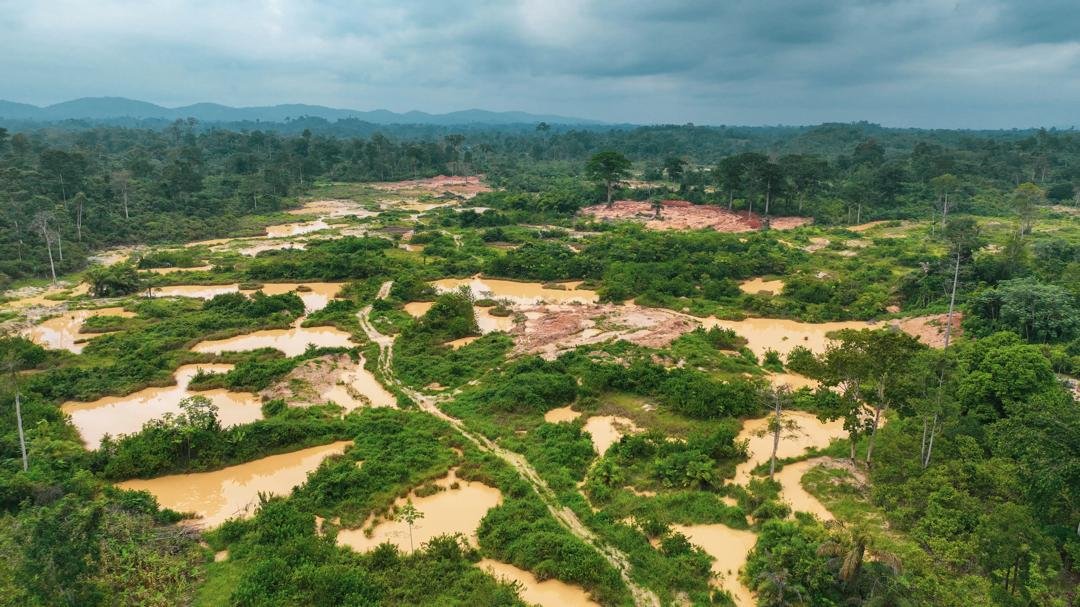
The Chief of Adankrono in the Eastern Region, Nana Osabarima Sarpong Kumankuma II, has bemoaned the devasting impacts of illegal mining on agriculture activities.
The escalating crisis of this galamsey activities has reached a catastrophic tipping point in Adankrono, near Kade, where vast tracts of arable land have been decimated.
Once-thriving cocoa farms and oil palm plantations, which serve as the primary economic backbone for the Region, are being systematically replaced by hazardous, gaping pits filled with stagnant, contaminated water.
This environmental onslaught not only threatens the immediate agricultural output of the region but also undermines the long-term food security and economic stability of the local population, as miners operate with total disregard for the territorial integrity of ancestral lands.
“Cocoa farms and oil palm plantations which serve as heritage from our forefathers and provide a source of livelihood for many people in this area have been destroyed by illegal miners. The Birim River which served as the source of water for our forefathers and the past generations, has been heavily polluted such that we cannot do anything with it any longer.”
Nana Osabarima Sarpong Kumankuma II
Field observations reveal a harrowing landscape where the physical proximity of these mining pits to residential areas creates a “yawning” death trap for locals.
This brazen defiance of the law has resulted in widespread mercury and cyanide contamination, rendering the water unusable for both domestic consumption and the irrigation of surviving crops.


Legislative Breakdown and Environmental Toxicity
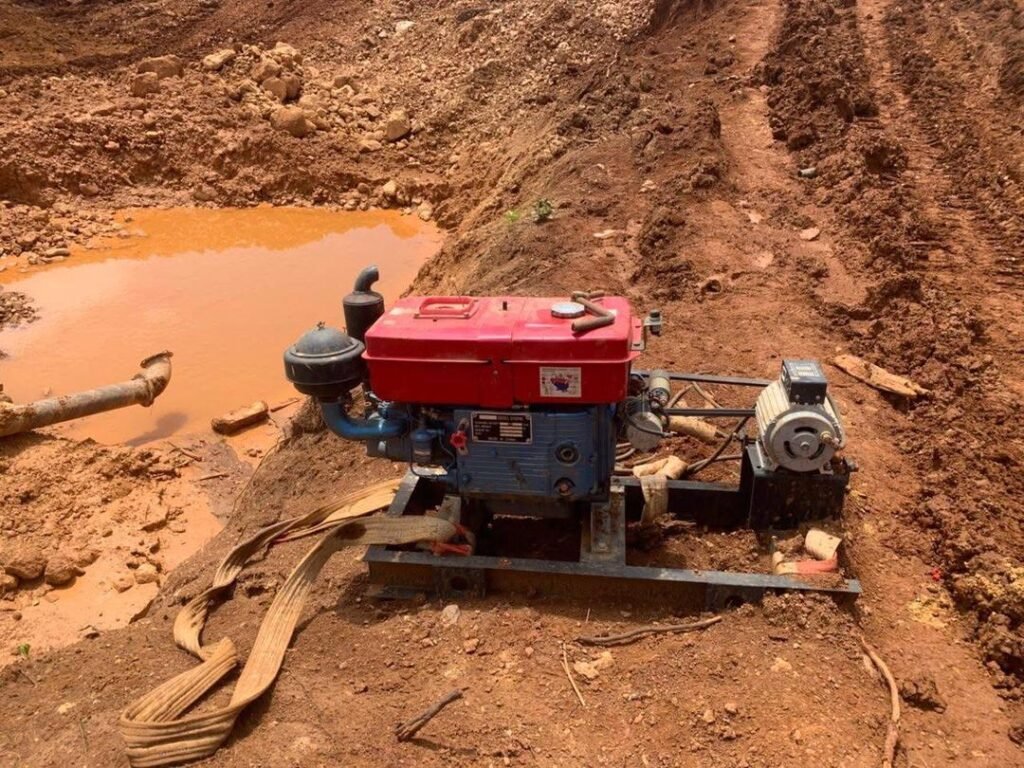
The persistence of galamsey represents a profound failure of regulatory enforcement, specifically regarding Section 108 (2) of Act 703.
This legislation was designed to prevent the exact scenario unfolding in the Birim, Pra, and Ankobra basins: the leaching of heavy metals into the human food chain.
From an extractive industry perspective, the “insidious scourge” of illegal mining creates a massive negative externality where the short-term gold gain of a few individuals results in the permanent destruction of the ecosystem’s “natural capital.”
The sedimentation of these rivers does more than just muddy the water; it smothers aquatic habitats and reduces the overall carrying capacity of the nation’s hydrological networks.
Furthermore, the scale of the “galamsey inundation” is no longer localized to the Eastern Region.
Data from the Forestry Commission indicates that as of late 2025, 50 out of the country’s 288 forest reserves have been breached. This invasion of protected enclaves creates a permanent “imbalance in the ecosystem,” destroying biodiversity that may take centuries to recover.
In regions like Ashanti and Western North, the forest canopy is being stripped away to make room for excavators, leading to a loss of carbon sinks and a disruption of local microclimates essential for cocoa cultivation.
Socio-Economic Erosion and Livelihood Displacement
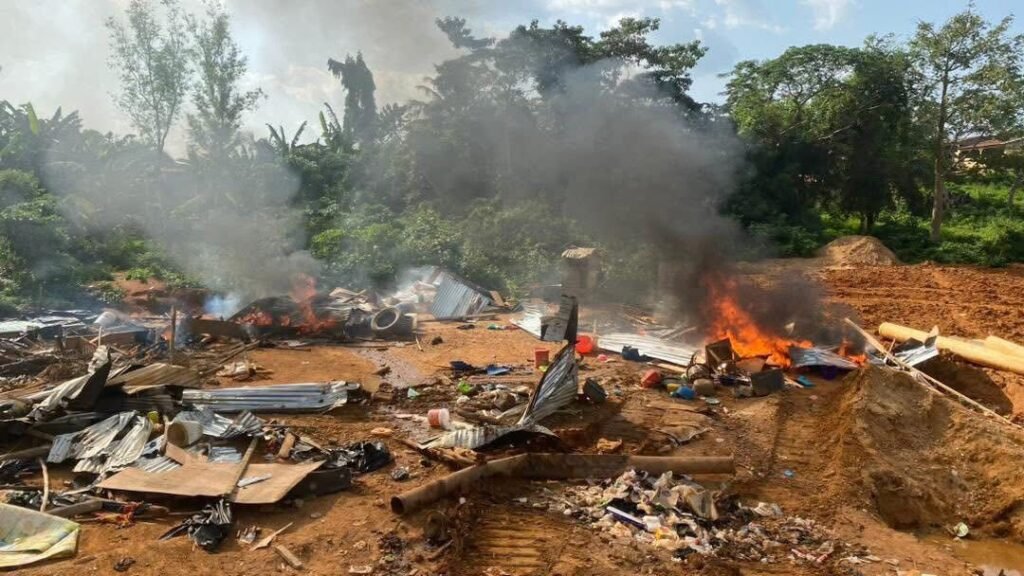
Beyond the immediate environmental wreckage, the socio-economic fabric of mining communities is fracturing under the weight of “environmental crime.”
The displacement of cocoa and oil palm crops that provide “heritage” and consistent income—forces rural families into a cycle of poverty and precariousness. When arable land is converted into “stagnant milky-brown” pits, the land’s utility for future generations is nullified.
This transition from sustainable agriculture to volatile, illegal extraction creates a “resource curse” at the grassroots level, where the influx of quick cash is outweighed by the soaring costs of healthcare and imported clean water.
If this trend is not halted, the secondary effects on the national economy will be severe. Ghana’s status as a leading global cocoa producer is under direct threat; as farms are swallowed by pits, the national cocoa output shrinks, affecting foreign exchange reserves.
Moreover, the “mercury and cyanide contamination” poses a long-term public health liability. Heavy metal poisoning can lead to neurological disorders and birth defects, potentially incapacitating a significant portion of the future workforce.
The “fractured communities” left in the wake of galamsey are a testament to the fact that without urgent, high-level intervention, the country’s agricultural and human capital will continue to erode.
Strategic Implications for the Extractive Sector
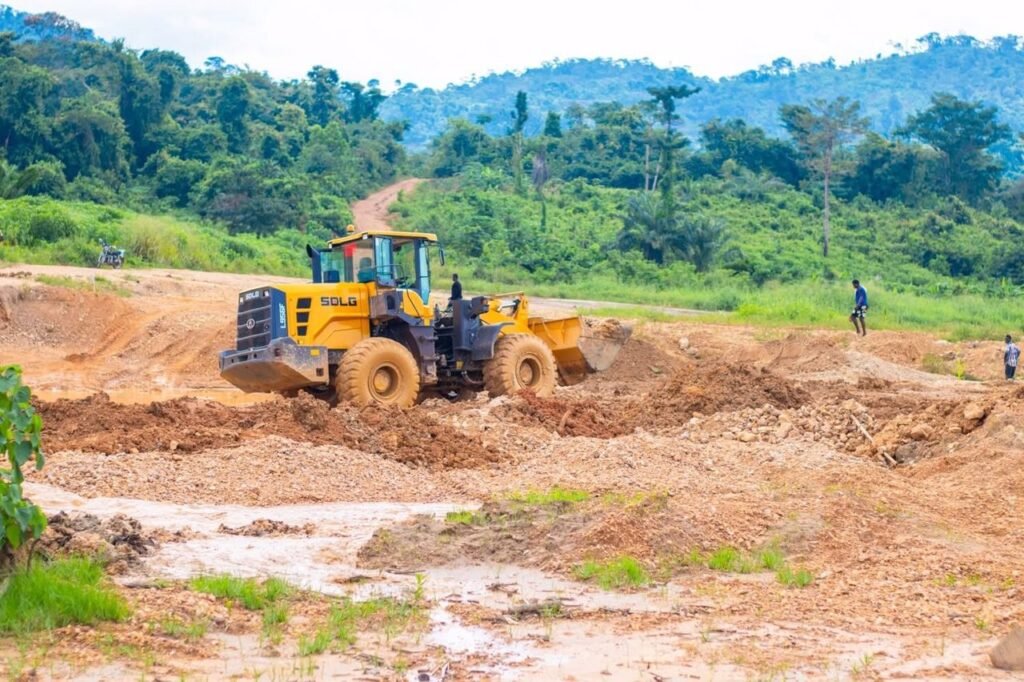
To restore “environmental integrity,” there must be a shift from mere “government interventions” to a holistic enforcement of the Minerals and Mining Act.
The current state of “widespread environmental devastation” suggests that the cost of illegal mining is being socialized across the entire population, while the profits remain private and untaxed.
As extractive experts, we must recognize that the “suffocating forest reserves” are a precursor to a wider collapse of rural economic systems.
The protection of the 500-meter buffer around reservoirs and 100-meter river buffers is not merely a legal suggestion but a survival necessity for the nation’s water security.
The situation in Adankrono is a microcosm of a national emergency. When a Chief laments the loss of “ancestral heritage” to the “devouring” pits of illegal miners, it signals a breakdown in the social license to operate within the broader mining sector.
To safeguard “public health and socio-economic stability,” the state must reconcile its mining policies with environmental realities. Failure to do so will ensure that the “milky-brown water” of the Birim becomes the permanent legacy of a generation that traded its future for a handful of dust.
READ ALSO: Venezuela Warns About US Continental Ambitions Over Latin America