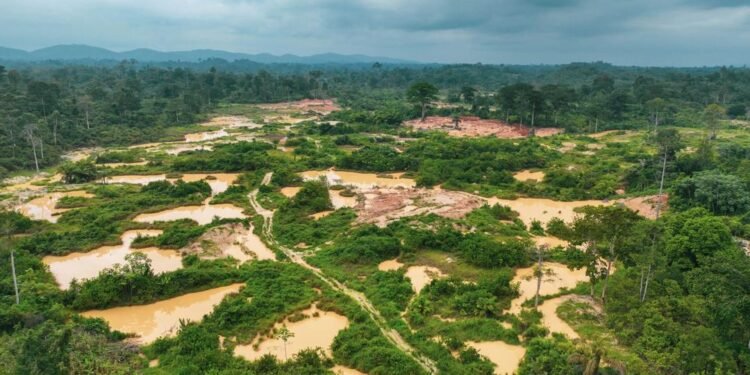
Executive Director of the Centre for Extractives and Development Africa (CEDA), Mr. Samuel Bekoe, has called on the government to institutionalize the fight against illegal mining by incorporating environmental protection metrics into the Key Performance Indicators (KPIs) of Metropolitan, Municipal, and District Chief Executives (MMDCEs).
This proposal seeks to pivot the national strategy from a purely centralized military-led crackdown toward a decentralized, results-oriented accountability framework that compels local leaders to take ownership of the ecological health of their jurisdictions.
By linking the security and environmental status of districts directly to the tenure and performance evaluations of MMDCEs, the CEDA boss argues that the state can create a more sustainable and ground-level defense against the “galamsey” menace that continues to plague Ghana’s hinterlands.
“If you appoint someone as a metropolitan, municipal or district chief executive (MMDCE), part of their KPIs should be a reduction in galamsey in their district and an indication of how they have fought the menace. As CSOs in the extractive sector, at the end of the day, we want to see the forest rejuvenated; we want to see waterbodies cleaner; we want to see communities and farmlands safe from galamsey.”
Mr. Samuel Bekoe
This demand for structural reform comes at a critical juncture as the government intensifies its enforcement through the newly established National Anti-Illegal Mining Operations Secretariat (NAIMOS), a special-purpose unit designed to lead intelligence-led field operations.
While NAIMOS has recorded significant successes this year including the arrest of 1,486 suspects and the confiscation of 443 excavators and 11 bulldozers, experts like Mr. Bekoe maintain that “approaching the fight entirely from the national level has not yielded the desired results” in the long term.
Integration of these efforts into local governance would mean that an MMDCE’s success is no longer measured solely by infrastructure projects, but by the “reduction in galamsey in their district” and a visible restoration of natural resources.


This shift is expected to dismantle the “look the other way” culture that often persists at the local level, ensuring that the chief representative of the President in every district is personally incentivized to protect the environment.
Strategic Decentalization and Local Accountability

The role of the MMDCE is pivotal because they chair the District Security Council (DISEC), giving them the legal and administrative authority to coordinate local police and traditional leaders.
Research into the extractive sector suggests that illegal mining often thrives where there is a vacuum of local leadership or where political will is diluted by proximity to the perpetrators.
By embedding galamsey eradication into the formal KPI structure, the central government creates a “performance-based mandate” that overrides local political pressures.
MMDCEs would be required to provide verifiable evidence of cleaner water bodies and the cessation of illegal excavations to maintain their standing.
This decentralization effectively transforms every District Assembly into an active frontline in the environmental war, moving beyond the periodic “sweep-and-retreat” tactics of national task forces.
Enforcement Milestones and the NAIMOS Impact
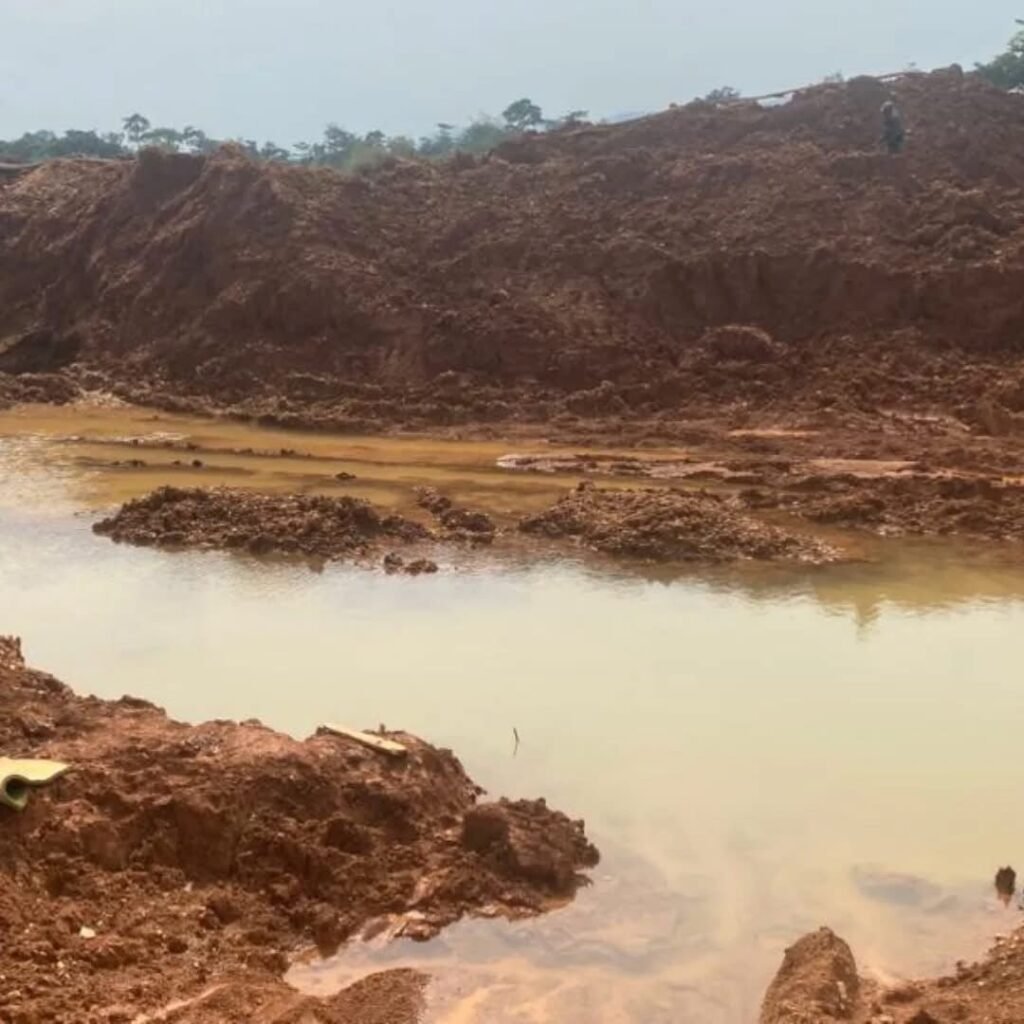
As of December 2, official data highlights the sheer scale of the equipment being deployed in illegal sites, with NAIMOS seizing 1,200 pumping machines, 86 pump action guns, and 36 LPG cylinders in this year’s operations alone. The confiscation of 14 vehicles and 31 motorbikes further illustrates the logistical complexity of galamsey networks.
However, the CEDA boss emphasizes that while these seizures are commendable, the ultimate goal must be the “rejuvenation of forests” and the safety of farmlands.
A localized KPI system would complement the work of NAIMOS by ensuring that once an area is cleared of illegal miners, the MMDCE is held responsible for preventing their return.
This dual approach centralized intelligence combined with local accountability offers a more comprehensive strategy to “restore sanity to the environment” and protect the livelihoods of rural populations.
Future of Extractive Governance in Ghana
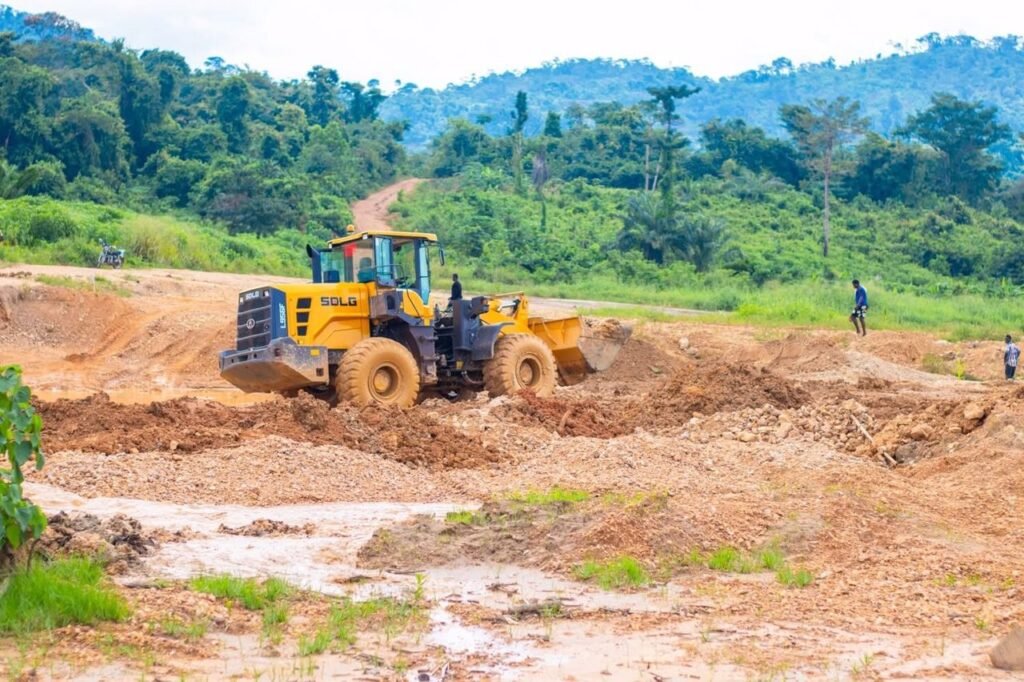
Moving forward, the integration of environmental stewardship into the administrative functions of the District Assembly is seen as a necessary evolution of Ghana’s mining policy.
It moves the conversation from reactive policing to proactive governance. If MMDCEs are evaluated on the “blue waters and green forests” within their borders, the incentive for transparency and collaboration with traditional authorities increases.
This framework would also empower citizens to hold their local leaders accountable for the visible state of their rivers and lands.
As CEDA continues to advocate for these reforms, the focus remains clear: the fight against galamsey must be won at the grassroots, where the impact of the destruction is most felt, ensuring that Ghana’s extractive wealth does not come at the cost of its ecological future.
READ ALSO: NDC Extends Season Greetings, Commits to Delivering Fully on Mahama’s Mandate