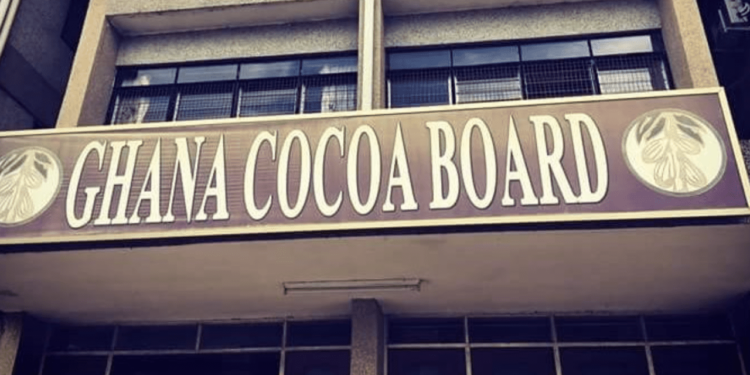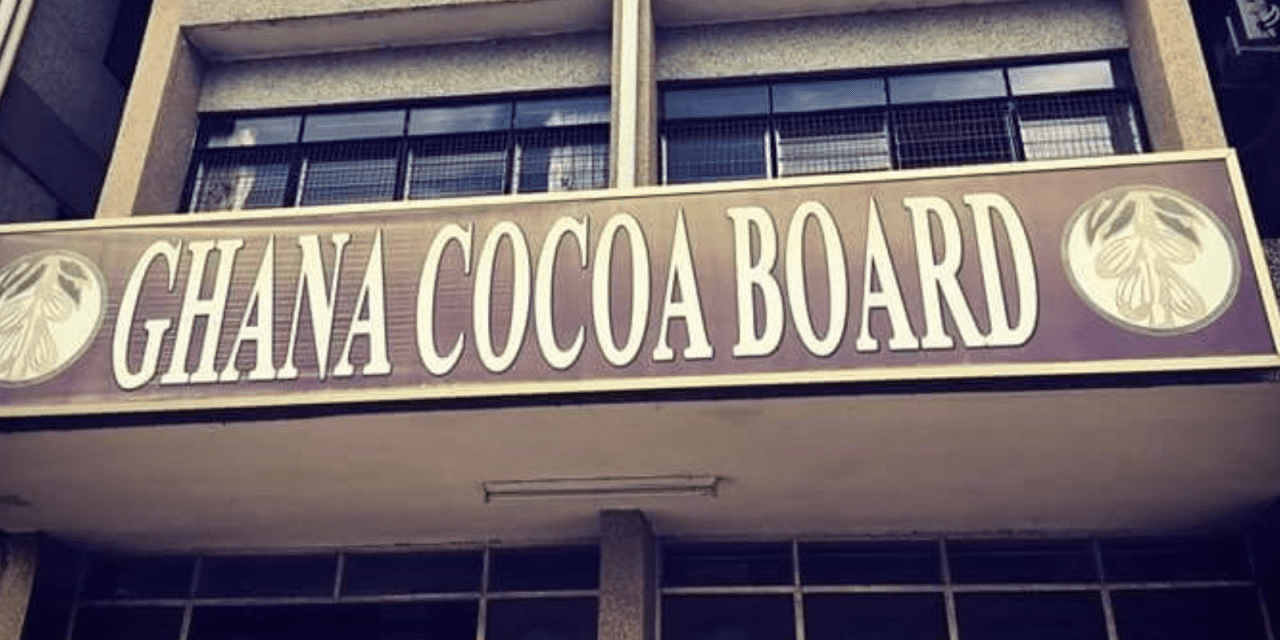
The government of Ghana has come under pressure from the IMF to reform the Ghana Cocoa Board (COCOBOD), as the sector’s recent decline in yield threatens Ghana’s position in the global market.
Ghana’s cocoa sector regulator, according to the IMF, requires a comprehensive reform to address the market distortions, perverse incentives, and substantial quasi-fiscal costs that threaten the cocoa sector in Ghana. This, the Fund insists, is essential if Ghana is to remain a major supplier of cocoa on the international market.
The farmers are key in the cocoa sector; hence, the reform of the regulator is to strengthen the relationship between the farmers and the regulator.
“The objective should be to create the right incentives for farmers to produce and safeguard Ghana’s leading position in global markets.”
IMF
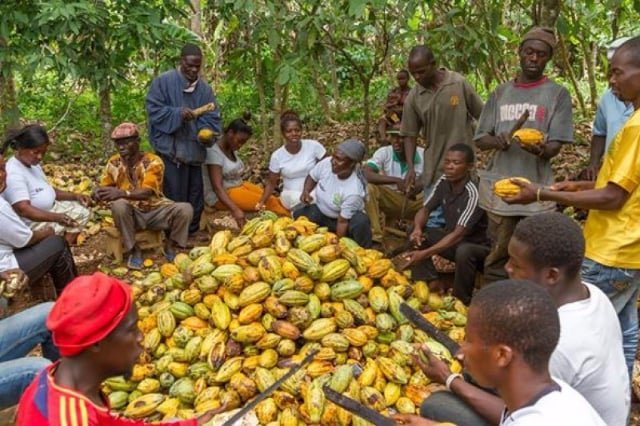
Key Proposed Reform
The IMF has proposed a strategic reform that involves separating non-core functions and streamlining the remaining operations, so that the organization can focus primarily on its core mandate of production, processing, and marketing of cocoa, coffee, and shea nut.
“A key aspect of the reform entails unbundling and rationalizing the responsibilities of COCOBOD, thereby eliminating its procurement monopsony and sales monopoly on cocoa beans as well as its physical distribution of inputs to farmers.”
IMF
According to the IMF, “this should be achieved within the first two years of the administration while simultaneously enhancing COCOBOD’s regulatory and enabling environmental functions.”

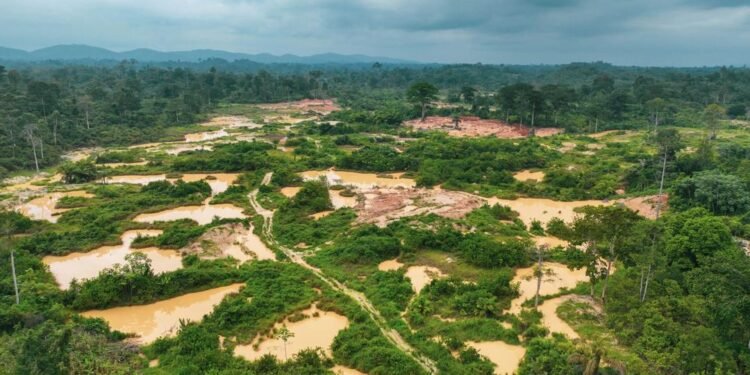
Furthermore, the resulting increase in farmers’ incomes would reduce the income gap with the mining sector and thus help address illegal mining ‘Galamsey’, the IMF added.


Measuring Government’s Progress on the Reform
The separation of COCOBOD’s responsibilities is an ongoing reform being implemented by the government of Ghana, primarily focusing on eliminating its quasi-fiscal activities.
An amendment to the Ghana Cocoa Board Act was announced in August 2025, to make it illegal for COCOBOD to engage in non-core, quasi-fiscal activities – such as building general roads or providing general social infrastructure. The purpose will be to streamline its operations, reduce accumulated debt, and focus on core industry functions.
COCOBOD’s mandate hasn’t fundamentally changed in 2025, but a significant refocusing is being made, with plans to amend the Act to stop quasi-fiscal activities.
After the amendment, COCOBOD will concentrate on increasing cocoa yields, enhancing the cocoa value chain, improving farmer welfare – through input supply and research, extension services – and ensuring compliance with international sustainability standards like the EU Deforestation Regulation.

The oversight responsibility for COCOBOD has begun shifting from the Ministry of Agriculture to the Ministry of Finance (a reversal of the 2020 Amendment Bill) to ensure better fiscal oversight and debt management.
According to COCOBOD, for the 2024/2025 and 2025/2026 cocoa seasons, it has “transitioned from a syndicated loan model to a pre-financing model, where global traders deposit funds upfront to Licensed Buying Companies (LBCs) for cocoa purchases.” This will ensure timely payments to farmers and reduce financial pressures on COCOBOD.
Currently, statutory monopsony (sole domestic buyer) and monopoly (sole exporter) of cocoa beans remain operational. COCOBOD (through its agents, LBCs) remains the sole buyer of all cocoa beans produced in Ghana. Farmers are legally required to sell only to these licensed buyers at a fixed producer price set by COCOBOD and the government.
COCOBOD maintains the exclusive right to market and export all graded cocoa beans through its subsidiary, the Cocoa Marketing Company (CMC) Limited.
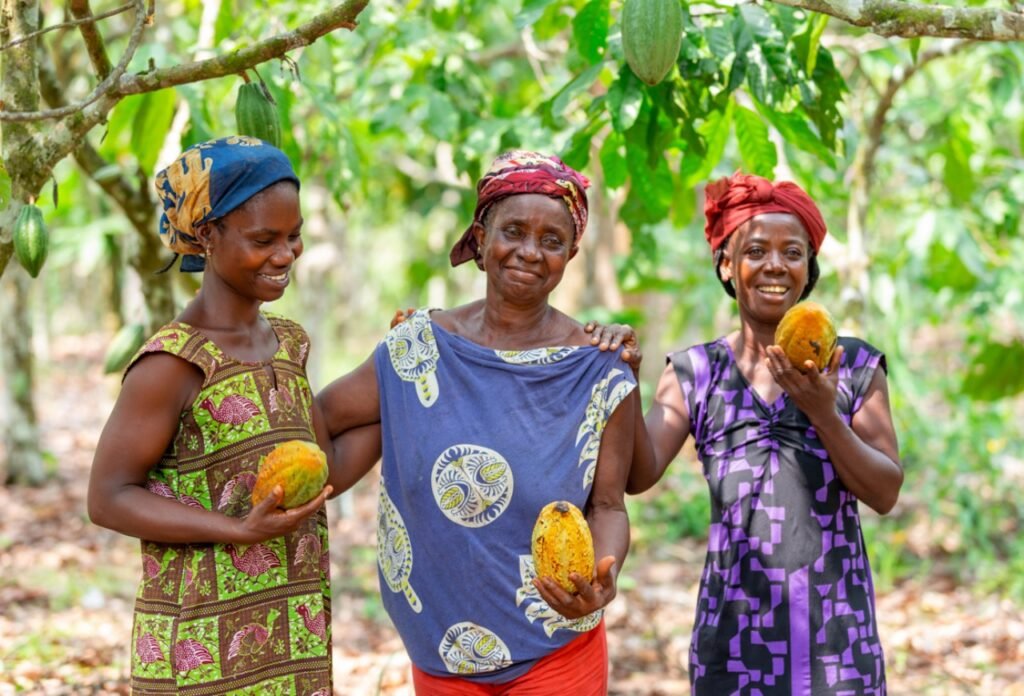
While the ongoing reforms aim to enhance efficiency and farmer welfare, COCOBOS’s monopsony and monopoly system remains a defining feature of the institution. Currently, the government is embarking on structural adjustments within the existing framework. The IMF, however, calls for a comprehensive reform by the end of 2026.
Mending Government’s Revenue Shortfalls
According to the IMF, “the combination of enhancing domestic revenue mobilization and improving expenditure management is essential to create a virtuous cycle that strengthens the social contract.”
“A comprehensive and forceful domestic revenue mobilization will not only help restore macro-financial stability and place public debt on a sustainable trajectory but also generate sufficient revenues for priority spending, reduce market distortions, and improve equity.”
IMF

COCOBOD’s comprehensive reform is at the core of the government’s improving revenue agenda. With cocoa being one of the leading commodity exports and revenue source for the government, its efficiency is non-negotiable for a restored and growth-sustained Ghana.
READ ALSO: Marketers Warn Dangote Refinery Alone Cannot Meet Nigeria’s Petrol Demand