Thailand and Cambodia have agreed to an immediate ceasefire, the Defence Ministers of both countries have said in a joint statement.
The two sides have agreed to freeze the front lines where they are now and allow civilians living in border areas to return home, halting almost three weeks of intense clashes.
The weeks of fierce fighting along their border has killed more than 100 people and displaced more than half a million civilians in both countries. “Both sides agree to an immediate ceasefire after the time of signature of this Joint Statement,” the Thai and Cambodian Defence Ministers said in a statement.
The Ministers noted that both sides agree to maintain current troop deployments without further movement.
The ceasefire took effect at noon local time (05:00 GMT) today, Saturday, December 27, 2025, and extends to “all types of weapons” and “attacks on civilians, civilian objects and infrastructures, and military objectives of either side, in all cases and all areas.”
The agreement, signed by Thai Defence Minister Natthaphon Narkphanit and his Cambodian counterpart Tea Seiha, ends 20 days of fighting, the worst between the two Southeast Asian neighbours in years.



The breakthrough came after days of talks between the two countries, with diplomatic encouragement from China and the US.
As part of the deal, Thailand has agreed to return 18 Cambodian soldiers – captured in previous clashes – 72 hours after the ceasefire “has been fully maintained.”
At the same time, the two sides agreed to refrain from taking “provocative actions that may escalate tensions” and avoid “disseminating false information” in order to de-escalate tensions.
The conflict stems from territorial disputes along the neighbours’ 800-kilometre (500-mile) border, where ancient temples are claimed by both sides and colonial-era frontier demarcations have been resented by both countries for more than a century.
In the most recent outbreak of violence, five days of fighting in July killed dozens of people before a truce was brokered by the United States, China and Malaysia. That truce was broken earlier this month. Each side blamed the other for instigating the fresh fighting and have traded accusations of deliberate attacks on civilians.
Thailand’s Defence Minister, Natthaphon Narkphanit described the new ceasefire as a test for the “other party’s sincerity.”
“Should the ceasefire fail to materialise or be violated, Thailand retains its legitimate right to self-defence under international law.”
Natthaphon Narkphanit
Thailand had been reluctant to accept the ceasefire, saying the last one was not properly implemented. They also resented what they saw as Cambodia’s efforts to internationalise the conflict.
ASEAN To Monitor Ceasefire Implementation
A team of observers from the Association of Southeast Asian Nations (ASEAN) will monitor the implementation of the current agreement, the deal states, adding that both countries have also agreed to maintain open communication “to resolve” any possible issues on the ground.
On Sunday, Cambodian Foreign Minister, Prak Sokhonn is scheduled to travel to Yunnan, China, to hold a trilateral meeting with his Thai counterpart and Chinese Foreign Minister Wang Yi.
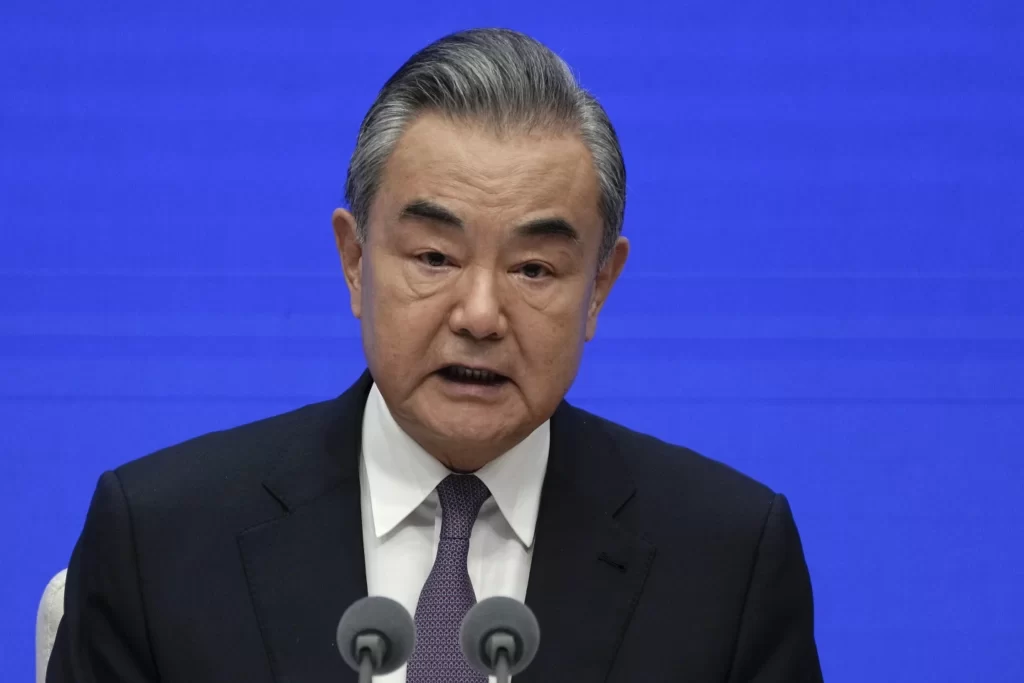
According to a statement, the meeting is being billed as a “mutual confidence” building initiative aimed at restoring “peace, security, and stability” along the border.
Unlike the last ceasefire in July, US President Donald Trump was conspicuously absent from this one, although the US State Department was involved.
How well the ceasefire holds this time depends to a large extent on political will. Nationalist sentiment has been inflamed in both countries.Cambodia, in particular, has lost many soldiers and a lot of its military equipment.
It has been driven back from positions it held on the border, and suffered extensive damage from the Thai air strikes, grievances which could make a lasting peace harder to achieve.