
Ghana is set to make a major advance in cardiac care as the Ghana Medical Trust Fund (MahamaCares), in collaboration with the Ministry of Health, begins the construction of three catheterization laboratories to support the diagnosis and treatment of heart diseases.
The facilities, expected to be completed and operational by the end of the first quarter of the year, will be located in Kumasi, Tamale and Accra, significantly expanding access to life saving cardiac interventions across the country.
The initiative responds to years of appeals from cardiologists and health professionals who have long highlighted the absence of adequate catheterization laboratories outside a limited number of facilities.
At the Komfo Anokye Teaching Hospital in Kumasi, the Administrator of the Ghana Medical Trust Fund, Adwoa Obuobia Darko Opoku, led a team to inspect the site earmarked for the construction of the hospital’s catheterization laboratory. She described the project as a decisive step toward addressing a critical gap in Ghana’s healthcare system.
According to her, the establishment of the three heart laboratories reflects the administration’s determination to translate policy commitments into tangible health infrastructure.

She noted that the President has taken a keen interest in the work of the Medical Trust Fund, frequently demanding updates and progress reports to ensure that promises made to Ghanaians are delivered.


“So, I think that we are on the ground, and this week we are cutting the sod for all three projects we are doing for the cath labs. From here, we are hitting Tamale, coming back to Accra to do Kole-Bu.”
Administrator of the Ghana Medical Trust Fund, Adwoa Obuobia Darko Opoku
She explained that sod cutting for all three projects would take place within the week, after which construction would begin immediately. Engineers, she added, have assured the Fund that the facilities can be built and fully installed within three months, paving the way for commissioning by the President before the end of March.
Medical professionals at Komfo Anokye Teaching Hospital have welcomed the development with optimism, describing it as the fulfilment of a long held aspiration. Dr Yaw Adu Boakye, Head of Cardiology at the hospital, said the quest for a catheterization laboratory had spanned more than a decade.
He explained that cardiology has evolved beyond medication alone, noting that many heart conditions, particularly heart attacks, require direct intervention to reopen blocked blood vessels. He described the catheterization laboratory as the gold standard for both diagnosis and treatment in such cases.
The Chief Executive Officer of Komfo Anokye Teaching Hospital, Dr Paa Kwasi Baidoo, emphasised the life saving importance of the facility, explaining that survival from a heart attack depends largely on how quickly intervention is provided.
He noted that while the hospital has skilled personnel, including cardiologists and surgeons, the absence of specialised equipment has limited their ability to respond effectively to cardiac emergencies.
“So, once we have this machine, we’ll be able to save so many people. And as I indicated earlier, previously we thought heart attack was something that happens in the elderly, but we’ve had 20-year-olds, 30-year-olds, so everybody is at risk”.
Chief Executive Officer of Komfo Anokye Teaching Hospital, Dr Paa Kwasi Baidoo
With heart attacks increasingly affecting younger patients, he said the availability of a catheterization laboratory would dramatically improve outcomes for patients across the Ashanti Region and beyond.
Dr Kwadwo Sarbeng, Medical Director of the hospital, described Komfo Anokye as a major referral centre serving 13 regions, making the absence of a heart laboratory particularly challenging.
He explained that patients requiring advanced cardiac procedures are often referred to Accra, sometimes requiring air evacuation. These delays, he noted, have had serious consequences for patient survival.
He described the intervention by the Ghana Medical Trust Fund as remarkable and timely, adding that the hospital had already prepared space to accommodate the facility in anticipation of such an opportunity.

The Ministry of Health has also reaffirmed its full commitment to the project. Kwame Mensah, Project Director at the Ministry, said the urgency of the initiative was immediately recognised when it was brought to the Ministry’s attention.
He explained that within three weeks, planning, design and development were completed to allow construction to commence without delay. According to him, the Minister of Health has been personally involved in ensuring the project progresses swiftly, underscoring its importance to national health priorities.
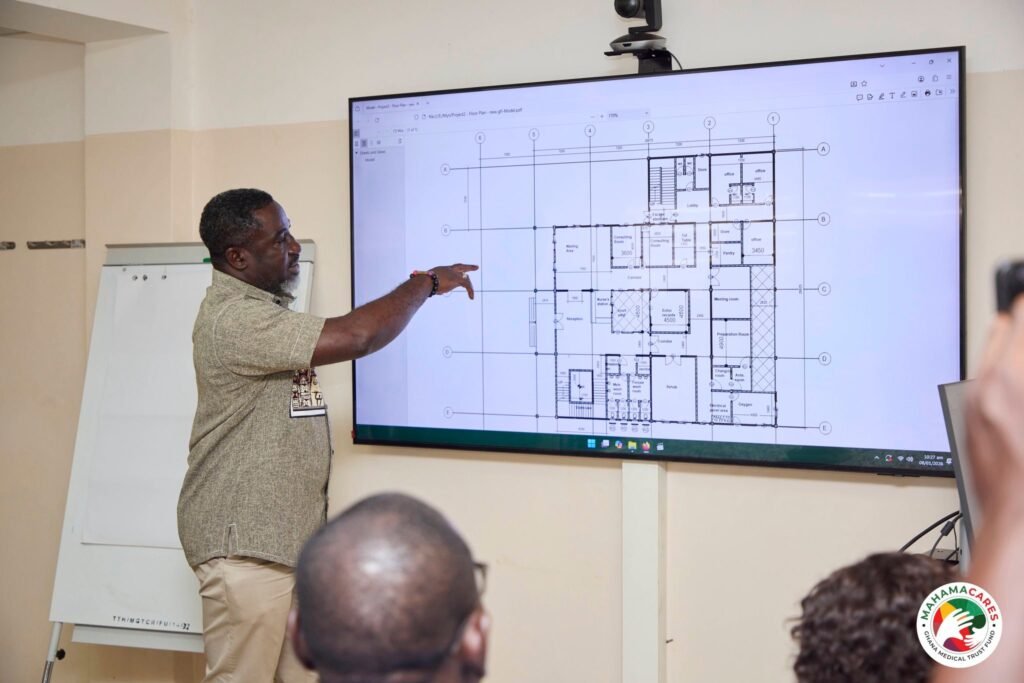
From a technical perspective, the contractors have expressed confidence in meeting the tight construction timeline. Abraham Fiscian, Project Engineer with ADB Ghana Medical Systems Group, said the project involves a single storey structure, making the structural work manageable.
He explained that construction had already begun, with the most critical phase being addressed immediately to ensure installation and commissioning are completed on schedule.
Beyond infrastructure, the project represents a broader shift toward decentralising specialised healthcare in Ghana. With catheterization laboratories planned for Kumasi, Tamale and Accra, patients across multiple regions will gain quicker access to advanced cardiac care, reducing the burden on families and the healthcare system caused by long distance referrals.
Health experts believe the initiative will significantly reduce mortality from heart attacks and other cardiovascular conditions, particularly as lifestyle related heart diseases rise among younger populations.

By equipping major teaching hospitals with modern cardiac intervention facilities, Ghana positions itself to improve emergency response, enhance specialist training and strengthen public confidence in the healthcare system.
As construction begins, expectations remain high that the collaboration between the Ghana Medical Trust Fund and the Ministry of Health will deliver lasting benefits.
For clinicians who have waited years for such facilities, and for patients whose survival depends on timely intervention, the catheterization laboratories represent not just new buildings, but a critical lifeline.
READ ALSO: Relief for Borrowers as Ghana Reference Rate Falls Again, Signaling Lower Interest Rates