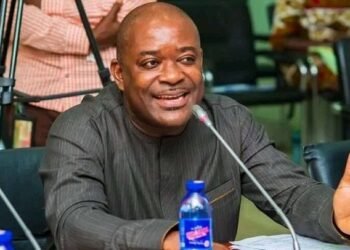
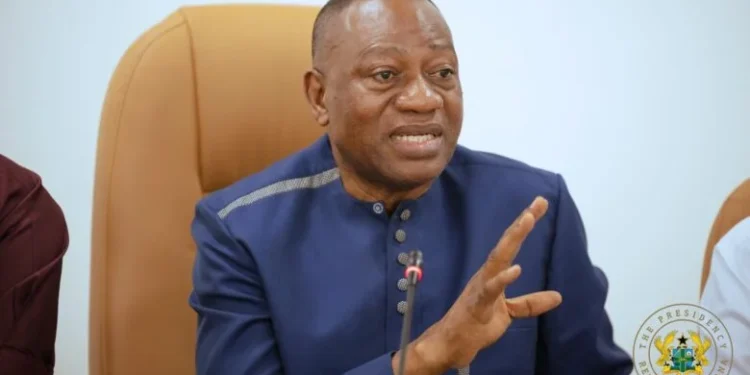
In a sobering assessment of the nation’s education sector, the Executive Director of Africa Education Watch (EduWatch), Kofi Asare, has revealed that Ghana is currently grappling with a staggering deficit of 30,000 teachers.
Speaking in an interview, while evaluating the one-year performance of the Mahama administration, Mr. Asare warned that the decision to freeze teacher recruitment throughout 2025 has left basic schools in a state of crisis, with underserved communities bearing the brunt of the shortage.
“We did not recruit even one teacher in 2025, and the impact has been severe. As a result, we now have not less than 30,000 classrooms without teachers, and the number could be higher. This is undermining teaching and learning nationwide, leaving many pupils without proper instruction and increasing the risk of school dropouts”
Kofi Asare, Executive Director of EduWatch
According to the EduWatch boss, the education sector requires a minimum of 15,000 new teachers annually just to maintain an equilibrium that accounts for natural attrition – such as retirements and resignations – and to correct long-standing distribution inefficiencies.
With zero recruitment taking place over the past twelve months, the gap has widened to a critical level, leading to overcrowded classrooms and a measurable spike in school dropout rates in deprived districts.
Mr. Asare emphasized that while the government has made “meaningful progress,” in other areas, the human resource vacuum in schools threatens to undermine the quality of instruction for an entire generation of Ghanaian children.
He further revealed that the deficit is not merely a numbers game but a crisis of geography. Mr. Asare has long advocated for a more equitable distribution of the existing teaching workforce, noting that urban centers often enjoy a surplus while rural “deprived” areas are left with empty classrooms.


Mr. Asare stated that even if the government were to recruit the required 30,000 teachers tomorrow, the problem would persist without a robust incentive package to keep them in the hinterlands when posted.
Infrastructure vs. Staffing
Despite the biting teacher shortage, Mr. Asare offered a rare commendation for the government’s infrastructure drive.

According to him, the “one new KG, Primary, and JHS in every district,” initiative has seen substantial progress over the last year, a move Asare described as “audacious,” and capable of significantly bridging the physical infrastructure gap if sustained.
“In terms of the transition from policy to implementation, the NDC government has performed well over the past year and made meaningful progress,” he said, commending the government drive.
However, the paradox of building new schools while leaving 30,000 existing classrooms empty has not been lost on education advocates. Mr. Asare suggested that the government’s transition from policy to implementation has been successful in terms of brick-and-mortar projects, but cautioned that a school without a teacher is simply an empty monument.
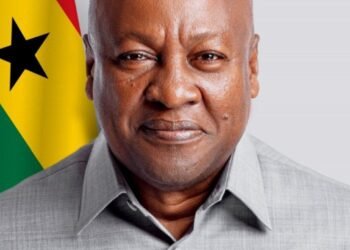
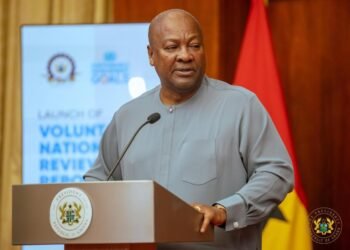
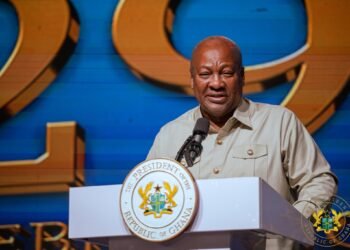
He called on President John Dramani Mahama to fulfill the specific manifesto promise regarding “deprived-area allowances.”
“The government promised to implement a policy under which teachers who accept postings to deprived areas will be given deprived allowances, and such incentives must go hand in hand with the deployment of teachers to those areas. Recruitment alone will not resolve the problem unless postings are directed to areas where teachers are most needed”
Kofi Asare, Executive Director of EduWatch

As the 2026 academic year gains momentum, EduWatch is demanding a swift reversal of the recruitment freeze. The organization urged the Ministry of Education and the Ghana Education Service (GES) to bypass bureaucratic bottlenecks and prioritize the immediate hiring of personnel specifically for basic education.
Mr. Asare concluded by reminding the government that the “most ambitious education manifesto” in Ghana’s history requires more than just infrastructure to succeed; it requires a motivated and well-distributed workforce.
READ ALSO: Ghana’s Maize Among World’s Cheapest, But Farmers Pay the Price – Prof Kanton