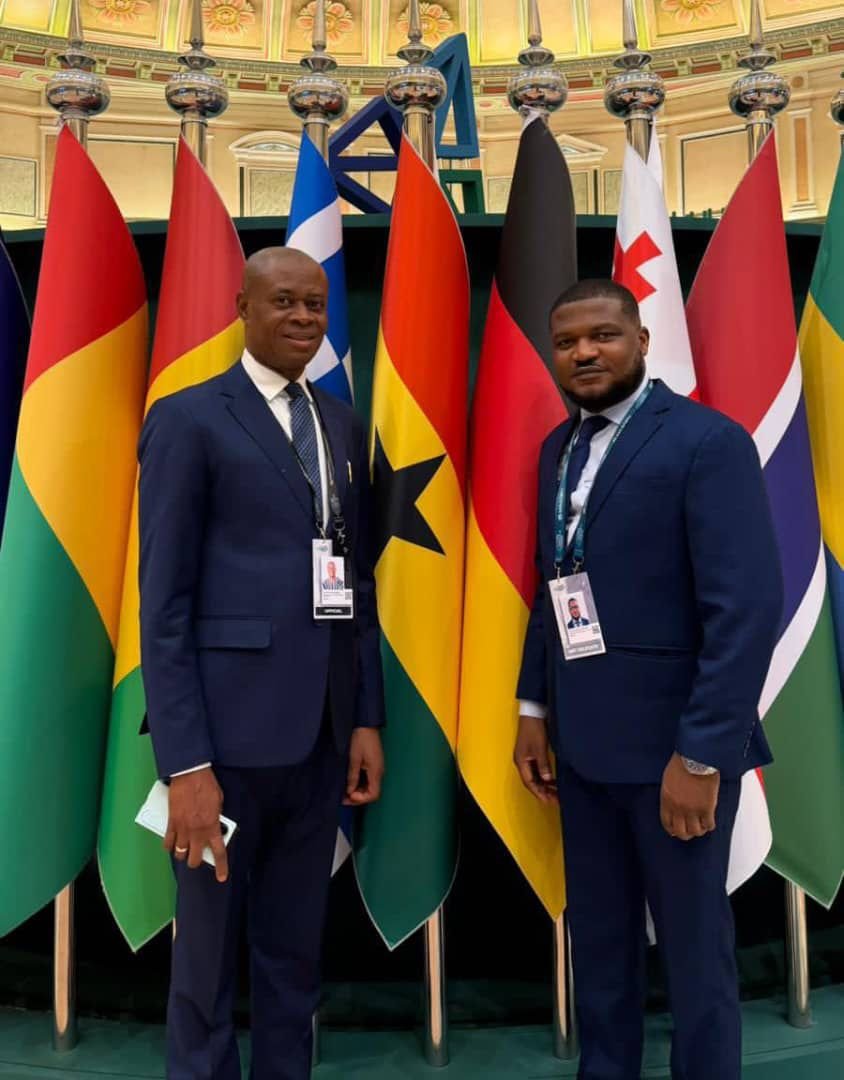
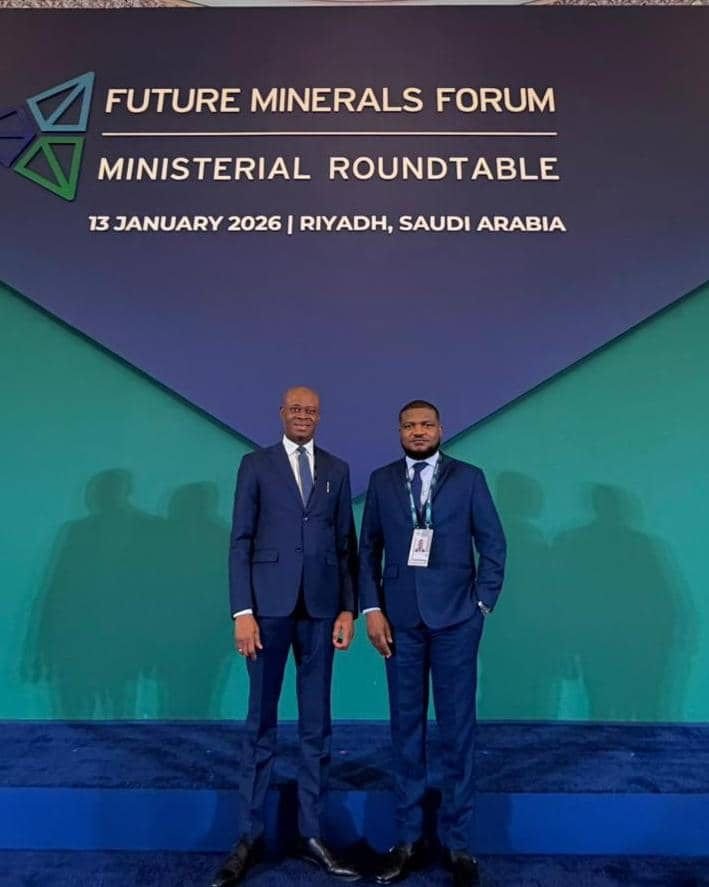
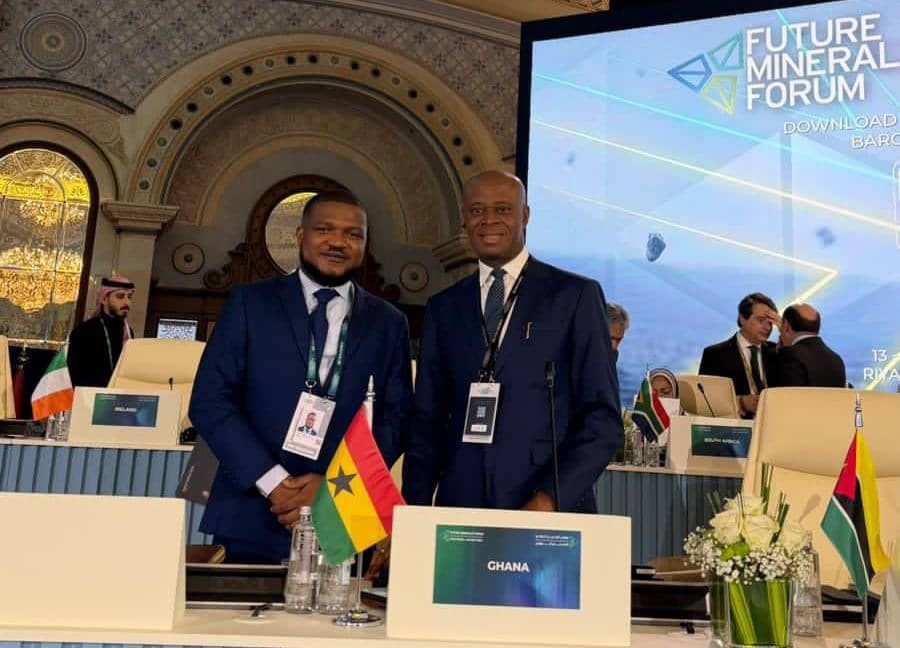
Republic of Ghana has joined the global extractive community at the fifth edition of the Future Minerals Forum (FMF) 2026 in Riyadh, Saudi Arabia, to champion a new era of resource management.
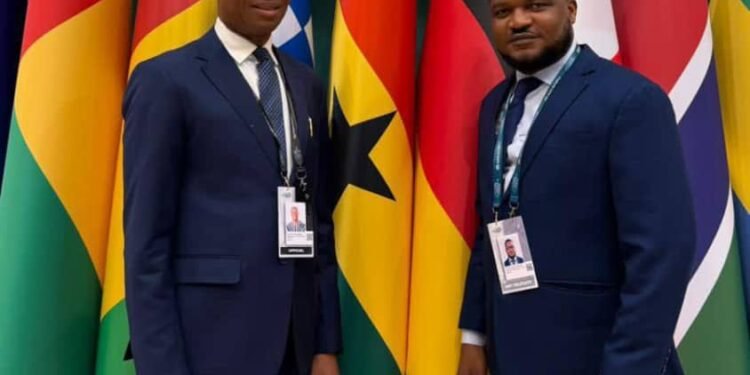
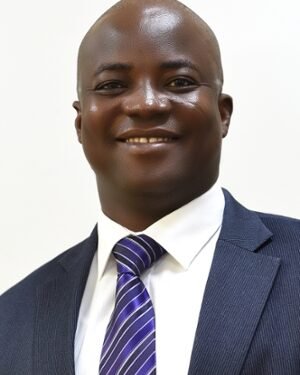
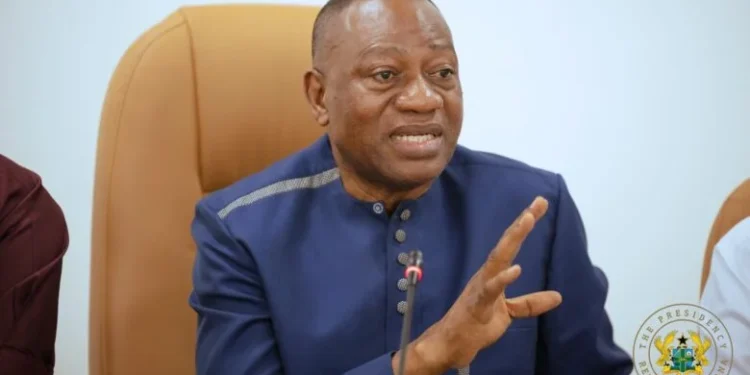
Representing the nation’s interests, the Deputy Minister for Lands and Natural Resources, Hon. Yusif Sulemana, and the CEO of the Minerals Commission, Mr. Isaac Tandoh, are leading a high-powered delegation to engage with over 500 global leaders and 20,000 participants.
This strategic participation underscores Ghana’s resolve to transition from traditional extraction to a technology-led mineral economy.
By positioning the nation within this premier global platform, the government aims to catalyze fresh investments and secure transformative partnerships that align with the “Dawn of a Global Cause” theme.
“This is a gathering to identify the opportunities for the advancement of responsible technology-driven mineral development. It aims to foster innovations, investment and partnerships that support economic diversification and a sustainable supply chain. The forum represents a commitment to the growth of Ghana’s mineral sector.”
Ministry for Lands and Natural Resources

This gathering serves as a critical nexus to identify the opportunities for the advancement of responsible technology-driven mineral development to foster innovations, investment, and partnerships that support economic diversification and a sustainable supply chain.
As the world accelerates toward a green energy transition, the FMF 2026 provides Ghana with an unparalleled stage to showcase its regulatory reforms and its potential as a hub for critical minerals like gold, lithium and bauxite.


Hon. Yusif Sulemana emphasized that the forum is a “collective call to action” for supplier nations to ensure that mineral wealth translates into tangible social and economic development.
Meanwhile, Mr. Isaac Tandoh noted that engaging with international “luminaries from the upstream and downstream sectors” is essential for de-risking the country’s upcoming large-scale projects and enhancing local technical capacity.
Strategic Economic Gains and Investment Landscapes
Ghana’s presence in Riyadh is not merely ceremonial; it is a calculated move to secure substantial Foreign Direct Investment (FDI) and integrate the nation into the “Super Region” mineral corridors.
By participating in the “Gateway to Funding” stream, Ghana is actively connecting its domestic junior miners and state-owned enterprises with global institutional investors and sovereign wealth funds.
The economic benefits are projected to be multifaceted, ranging from increased royalty revenues to the creation of high-skilled jobs within the nascent mineral processing sub-sector.
Moreover, the forum offers Ghana access to the “Future Minerals Barometer,” a sophisticated tool developed with McKinsey to track sector trends and country performance.
Utilizing this data allows Ghana to benchmark its regulatory environment against global leaders, ensuring the country remains the most attractive destination for mining capital in West Africa.
Expert projections suggest that through these high-level ministerial roundtables, Ghana can negotiate bilateral agreements that provide the “capital-intensive infrastructure” required to unlock remote mineral deposits, effectively boosting the national GDP and diversifying the economy away from a sole reliance on traditional gold exports.
Harnessing Global Expertise for Sustainable Growth
To maximize these mineral benefits, Ghana must move beyond the dialogue phase and implement a “technology-transfer framework” derived from the FMF’s Knowledge Exchange sessions.
Global experts at the forum are showcasing advanced geochemistry and automated mining technologies that can drastically reduce the environmental footprint of extraction a key priority for the Ministry of Lands and Natural Resources.
By adopting these innovations, Ghana can mitigate the challenges of illegal mining and environmental degradation, replacing them with a “traceability scheme” that ensures Ghanaian minerals are “ESG-compliant” and marketable to the most stringent international buyers in Europe and North America.
The institutional readiness is what will ultimately turn raw resources into “value-added, sustainable outcomes,” ensuring that the wealth generated from the earth benefits the local communities.
As global demand for minerals reaches unprecedented levels, Ghana’s ability to “leverage multi-stakeholder partnerships” will be the deciding factor in its journey toward becoming a fully diversified, minerals-driven industrial powerhouse.
READ ALSO: Gov’t to Transform KIA Terminal 2 into Multipurpose Facility to Ease Congestion