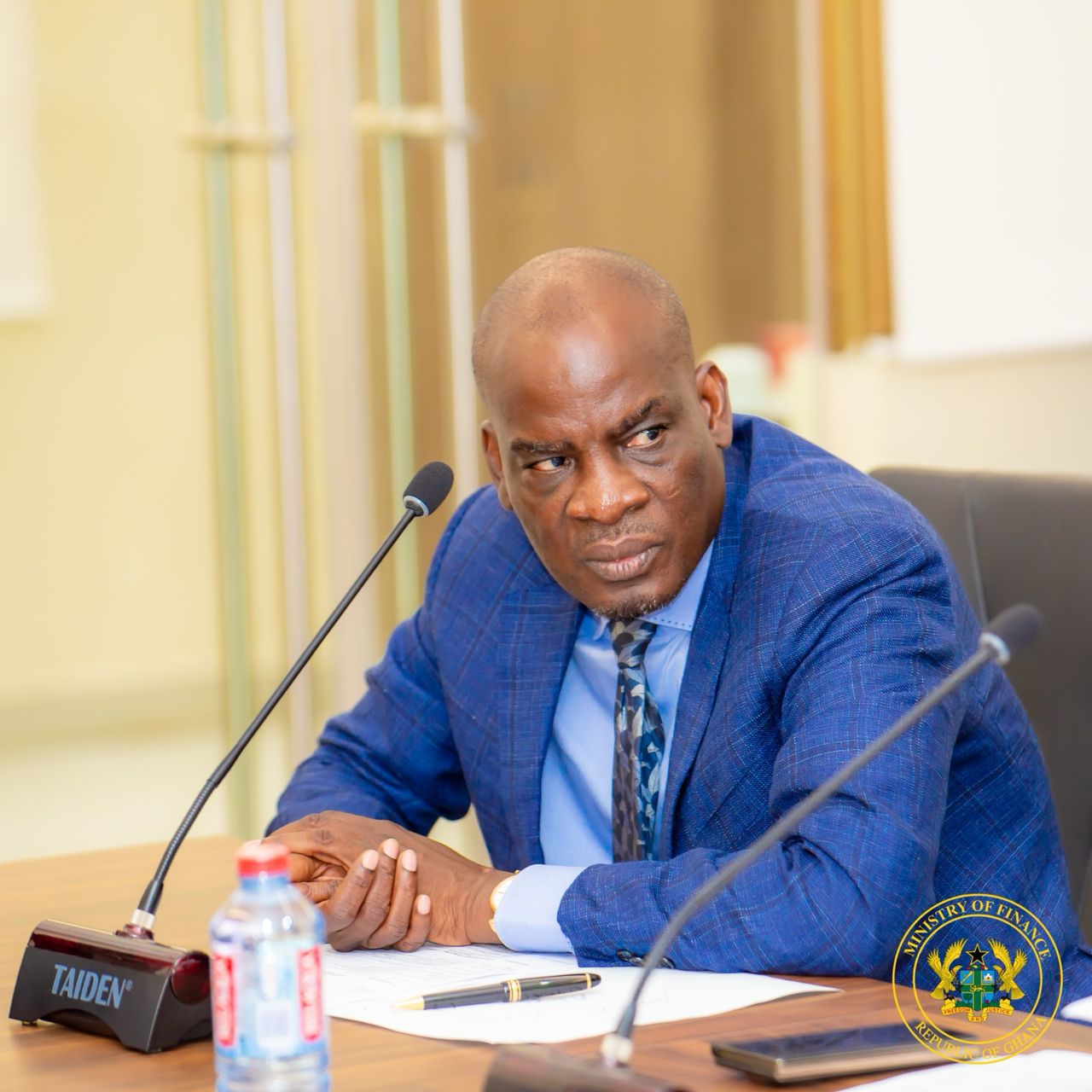
Ghana’s Minister for Education and Member of Parliament for Tamale South, Hon. Haruna Iddrisu, has stated unequivocally that the definition of sex in Ghana’s educational system is biological and settled, following a nationwide controversy over content in a senior high school teacher support manual.
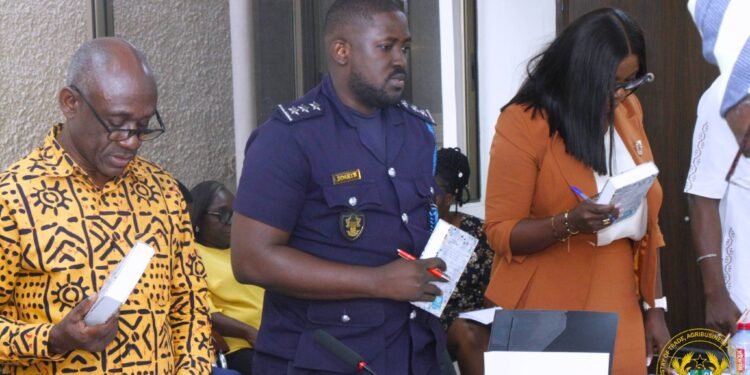
The minister made the clarification during a training session in Tamale on the rollout of the Ghanaian Youth Values Handbook and the new Guidance and Counselling framework.
His remarks come after intense public debate surrounding a definition of gender identity contained in the Year Two Physical Education and Health Elective Teacher Manual developed by the National Council for Curriculum and Assessment.
The manual, produced in 2024 to support the implementation of the new senior high school curriculum, attracted criticism after sections of it circulated online and were perceived by some sections of the public as inconsistent with Ghanaian cultural values and social norms.
Addressing participants at the training session, Hon. Iddrisu emphasized that references to a man, a woman, and sex within Ghana’s educational literature must be based strictly on biological sex.
“So there should be no ambiguity whatsoever in the definition of a man, a woman, and sex. For our purposes, the sex of a person at birth holds. That depicts and reflects Ghanaian values and our norms.”
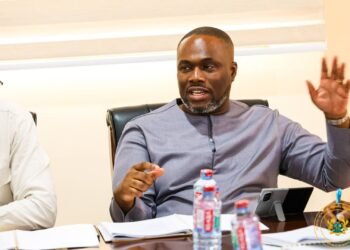
Education Minister Hon. Haruna Iddrisu
The education minister explained that the morality of Ghanaian society is closely tied to the values upheld and transmitted through education. In his view, educational materials must therefore be clear and consistent in defining foundational concepts such as sex, man, and woman.


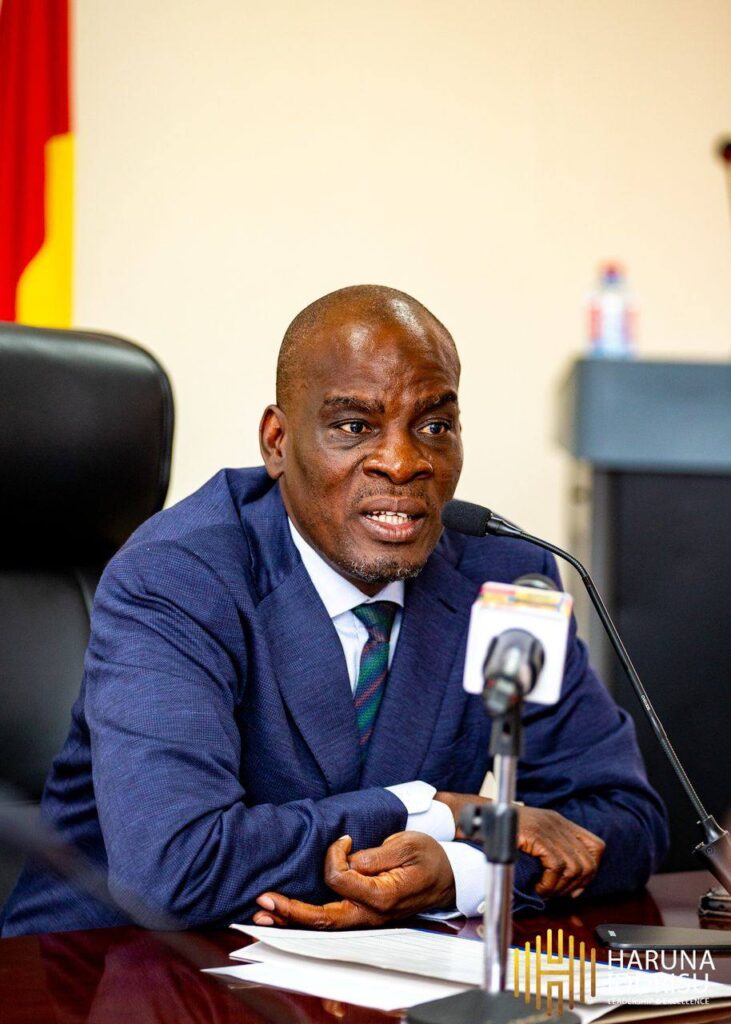
He noted that for Ghana’s purposes, biological sex at birth is the standard that should guide instruction and policy within schools. Mr Iddrisu said he chose the Tamale forum to directly respond to the public concerns that had arisen and to clarify government’s position on the matter.
He disclosed that corrective steps had already been taken to address the issue and ensure that all official educational materials align with this definition. According to him, there should be no uncertainty in any Ministry of Education or Ghana Education Service publication regarding how sex is defined.
He further directed that all institutions and heads of educational bodies operating within the sector must respect what he described as the natural definition of sex and the natural understanding of a man and a woman.
He stressed that the focus should not be on abstract debates but on what is ultimately beneficial for Ghana, Ghanaian teachers, and Ghanaian learners. As part of the corrective measures, the minister stated that he had instructed the National Council for Curriculum and Assessment to take full responsibility for the controversy and to act with urgency in resolving it.
He said the council had subsequently reviewed the content in question and concluded that the definition of gender identity in the manual did not reflect Ghanaian values, culture, or norms.
Following this determination, NaCCA ordered the recall of all 736 physically printed copies of the Year Two Physical Education and Health Elective Teacher Manual for senior high schools. Hon. Iddrisu confirmed that a revised version of the manual, aligned with a biological understanding of sex, has since been released online.
He cautioned teachers and schools against relying on the withdrawn hard copies, noting that only the updated digital version should now be considered valid for instructional purposes.

The minister explained that Ghana’s curriculum is dynamic and subject to regular review and updates to reflect approved standards and national priorities. He indicated that all official revisions would be reflected in the online curriculum portal managed by NaCCA, which serves as the authoritative source for teaching and learning materials.
According to him, educators are expected to consult the online platform to ensure that the materials they use are current and approved. He assured teachers that the online corrections had been made appropriately and that the revised content clearly reflects what is applicable and instructive within Ghana’s educational context.
He added that this approach would help prevent future confusion and ensure uniformity in teaching across the country. The clarification by the education minister follows days of public discussion and debate sparked by the teacher support manual.
Critics of the original content argued that the inclusion of a definition of gender identity departed from Ghana’s cultural values and introduced concepts they believed were inappropriate for the senior high school level.
The issue quickly gained traction on social media and in public commentary, prompting calls for official intervention. In response to the backlash, NaCCA issued a public apology, acknowledging that the contested section of the manual was inconsistent with Ghanaian values.
The council explained that the manual was intended as a support resource for teachers implementing the new curriculum and not as a policy document. Nonetheless, it accepted responsibility for the oversight and moved to correct it.
NaCCA stated that the revised online version of the manual reflects a biological understanding of sex, in line with national values and expectations. The council reiterated its commitment to ensuring that all curriculum materials align with Ghana’s cultural context while supporting effective teaching and learning.
The controversy has highlighted broader sensitivities around curriculum content and the importance of rigorous review processes, as while curriculum development often involves adapting to changing educational needs, it must also be firmly grounded in national values and social consensus.
Hon. Iddrisu’s intervention appears aimed at restoring public confidence in the curriculum reform process and reaffirming government’s stance on value based education.
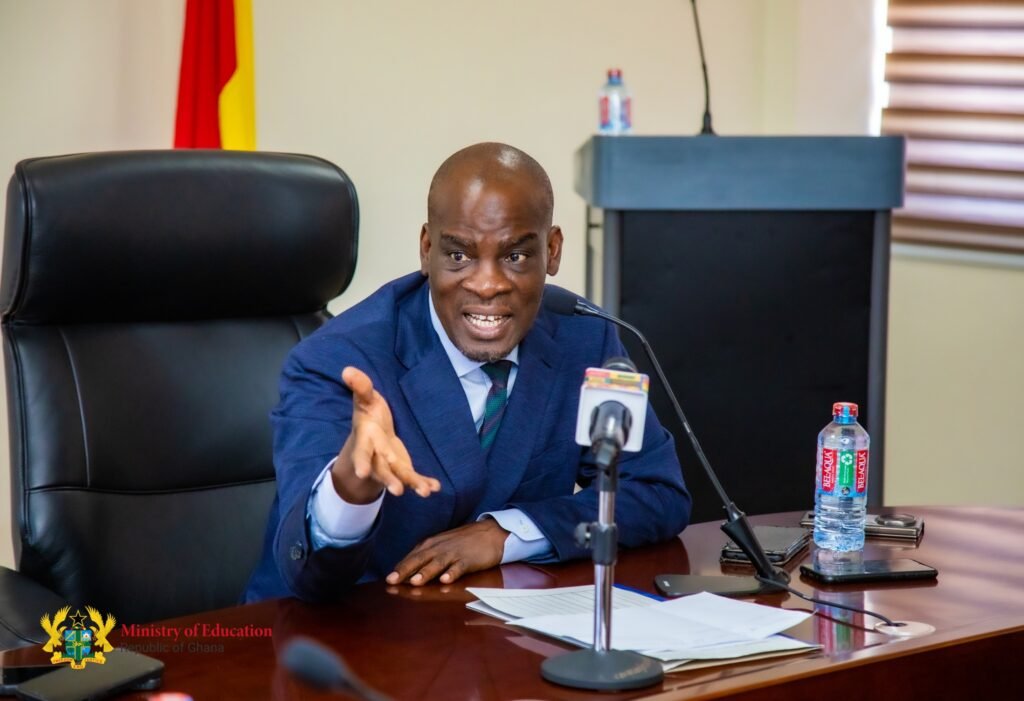
By emphasizing clarity, accountability, and responsiveness, the minister sought to assure parents, teachers, and the wider public that concerns raised would be addressed promptly and transparently.
As schools continue to implement the new senior high school curriculum, the Ministry of Education has encouraged educators to rely on officially approved resources and to seek clarification where uncertainties arise.
The minister also signaled that his ministry will continue working closely with NaCCA and other stakeholders to ensure that educational content remains aligned with Ghanaian values while meeting instructional objectives.
The episode underscores the central role of education in shaping societal values and the heightened scrutiny that accompanies curriculum changes. For government, the challenge remains balancing curriculum development with cultural expectations, while ensuring that teachers are adequately supported with clear and consistent guidance.
READ ALSO: Badenoch Sacks Robert Jenrick Over Defection Plans